
Sports Medicine
THE STRONGMAN IMMUNE SYSTEM: INFLAMMATION, DEFENSE AND ADAPTATION | Episode 10: Monitoring Immune Health in Strength Athletes: Evidence, Limitations, and Practical Applications
November 2, 2026

Monitoring immune health does not mean finding one number that measures how much immunity an athlete has
A strongman may carry an exceptionally heavy yoke and still develop an ordinary respiratory infection. Another competitor may show blood-cell values near the edges of reference ranges shortly after competition without having any disease. These examples reveal a fundamental challenge in sports immune monitoring: there is no validated single number that translates the entire immune system into a score from zero to one hundred. Immune cells, barriers, antibodies, inflammatory mediators, microbiota and immune organs operate across distinct compartments, sometimes with opposite temporal trajectories. Labeling every unusual laboratory result “low immunity” unjustifiably simplifies a complex biological network [1–3].
Responsible monitoring aims to identify meaningful health problems and support specific decisions: when to seek clinical assessment, which symptoms are worsening, whether the competition calendar is problematic and whether recurrent illnesses are unusually severe. This does not mean diagnosing infection from an isolated blood value. An effective program may combine regular questions about symptoms, sleep, everyday function and training load with clinical investigations only when indicated. International Olympic Committee consensus statements support ongoing athlete health surveillance and load monitoring while emphasizing that no single biomarker consistently predicts illness or maladaptation [1,2].
The distinction is especially important in strongman. Pressing, squatting and deadlifting do not impose the same demands as loaded carries, truck pulls or Atlas stone events. Schedules may include demanding consecutive training days, prolonged travel and competitions spread over multiple days. External workload measures, such as weight and distance, do not reveal the individual's physiological response. A load that one experienced athlete handles comfortably may be near maximal for another. A few minutes of actual event time may also conceal hours of repeated warm-ups, psychological pressure and social exposure [2].
Earlier episodes examined innate and adaptive immunity, myokines, inflammation, infectious exposure, multi-day contests and return after illness. The final episode integrates those perspectives into a realistic observational framework rather than repeating basic mechanisms. The question is not how to turn the changing room into an immunology laboratory, but what can validly be observed, what deserves investigation and when data are being overinterpreted. We examine complete blood counts, inflammatory markers, salivary immunoglobulin A, symptoms, sleep, athlete health questionnaires, illness epidemiology and the limits of individual-level inference [1–4].
What does immune health mean clinically?
The immune system has multiple functions: recognizing and controlling pathogens, maintaining barrier integrity, regulating inflammation, surveying certain abnormal cells and participating in tissue remodeling. Some functions occur predominantly in skin or mucosal surfaces, others in lymphoid organs, blood and tissues. A peripheral blood sample captures only part of this system at a particular moment. Circulating lymphocyte counts cannot serve as an inventory of all host defense. Cells traffic among compartments, and their distribution may be influenced by exercise, stress, circadian rhythms and other factors [3].
In clinical medicine, assessment of possible immune dysfunction begins with history and examination rather than an indiscriminate “immunity panel.” Recurrent, severe, unusual or difficult-to-treat infections may warrant specific investigations depending on the context. By contrast, several ordinary colds during a season with substantial exposure do not by themselves diagnose immunodeficiency. Host susceptibility must be distinguished from pathogen contact frequency and the manner in which symptoms are noticed and reported. A frequently traveling athlete may encounter pathogens more often than someone working in relative isolation without having fundamentally different immune defenses [1,3].
The phrase “strong immunity” is misleading if it means maximizing every inflammatory response. Effective defense requires activation proportionate to danger, control or elimination of the threat and restriction of unnecessary tissue injury. Some illnesses result from dysregulated or excessive immune activity rather than inadequate protection. An increased inflammatory mediator is therefore not automatically beneficial, and a lower value does not automatically signal vulnerability. Clinical context and meaningful function matter more than the direction of one isolated number [3].
From the athlete's perspective, health includes the ability to participate without illness that limits activity, but participation itself is not a perfect health test. Someone may train through symptoms while another takes a precautionary rest day without being ill. Training days lost can be useful but are insufficient as a sole outcome. The IOC consensus on epidemiological surveillance recommends capturing symptoms and functional consequences even when athletes do not completely miss sporting activity [1].
Why symptom data may be more useful than sophisticated tests
A simple questionnaire can track onset of sore throat, cough, fever, congestion, digestive symptoms and unusual fatigue, along with their effects on daily function and sport. Chronology is central: when symptoms began, how long they lasted, whether they worsened and whether a clinician confirmed a diagnosis. These reports cannot always identify a pathogen, but may signal when care is needed and support estimation of symptom burden over time. During competition, fever accompanied by reduced function is more immediately relevant than an isolated salivary IgA titer without context [1,4].
Symptoms should be distinguished from diagnoses. Cough may arise from infection, allergy, irritation or other causes; sore throat does not identify a particular virus, and fever does not automatically mean bacterial infection. A monitoring system should use appropriate categories: “reported respiratory symptom,” “suspected infection” or “confirmed infection” according to the available evidence. Recording all reports as confirmed infections distorts statistics and produces exaggerated claims about exercise and immunity [1,5].
Not all fatigue signifies illness. After a demanding training week, an athlete may experience muscle soreness, sleepiness and reduced performance without infection. Conversely, an emerging infection may initially cause subtle fatigue before specific symptoms arise. Monitoring can detect deviation from the usual individual pattern but cannot establish its mechanism. When warning signs occur, including chest pain, marked breathlessness, fainting or severely impaired general condition, the response should not depend on a diary score: prompt medical assessment is necessary [4,5].
If athletes believe reporting symptoms will automatically cost them a team position, they may avoid honest diary entries. The dataset then reflects social pressure rather than actual health. Monitoring must therefore be confidential, understandable and used for prevention rather than punishment. Coaches need enough information to adapt exercise and recognize risk, not a public report containing every private medical detail [1].
Complete blood counts: clinically useful but inadequate as an immunity test
A complete blood count provides information on red cells, hemoglobin, platelets and circulating leukocyte populations. In the context of illness, changes can contribute to clinical assessment, but a normal white-cell count does not prove complete protection against every pathogen. In sport, circulating cell numbers may change after demanding exercise and under neuroendocrine stress. A sample obtained after heavy deadlifting, carries or competition cannot automatically be compared with a resting morning sample. Collection timing, clinical context and symptom trajectory are essential [2,3].
Leukocytosis describes increased white-cell numbers but does not independently establish the cause. Infection, inflammation, medications and intense exercise can produce elevations through different mechanisms. Part of the postexercise rise may reflect cell redistribution between compartments rather than instant production of new immune cells. Similarly, a temporary fall in circulating lymphocytes after exercise is not automatic proof that immune defense has been lost. Critical reassessment of the “open-window” hypothesis emphasizes that cellular trafficking cannot be equated with an immune system switching off [3].
Neutrophils and lymphocytes have different functions, and their relative proportions depend on multiple factors. The neutrophil-to-lymphocyte ratio is discussed in research and certain medical contexts but is not a validated tool for prescribing a particular percentage reduction in a strongman's barbell load. Two people with identical values can have different clinical conditions. Furthermore, when the absolute number of one cell population changes, the percentage of another can change without a matching functional alteration. Interpreting percentages alone without absolute counts and laboratory reference information can mislead [2,3].
For an ill athlete, a clinician may request a complete blood count to investigate a specific problem. For a healthy athlete without symptoms or relevant risk factors, repeat testing after every workout is not justified as universal immune screening. More data do not automatically provide more precision. Physiological fluctuations can create false alarms, anxiety and unnecessary interventions. Effective monitoring begins by asking which decision the test result would alter. If no defensible action depends on it, the measurement's practical value is questionable [1,2].
Marked leukopenia or other important hematological abnormalities may require assessment depending on severity, persistence, symptoms and history. They should not be casually explained away as “overtraining” or “used-up immunity.” Medicines, infections, deficiencies, hematological disorders and individual variation can contribute. Clinicians may recommend standardized repeat testing or further investigations when indicated. Ignoring a significant abnormality because someone is physically strong is no more appropriate than diagnosing immune deficiency from one marginal fluctuation [1,3].
In research, sample timing must be documented rigorously. Time since the last session, clock time, posture, hydration, medications and symptoms can affect results. If one group is measured immediately after maximal effort and another after two rest days, cell-count differences cannot be attributed solely to immune quality. Study design should distinguish circulating concentrations, cellular function and clinical outcomes. A lymphocyte-count graph may be physiologically informative but does not automatically estimate the probability of developing influenza [3].
C-reactive protein and cytokines: biological signals are not etiological diagnoses
C-reactive protein, or CRP, is an acute-phase marker synthesized mainly in the liver under inflammatory signaling. It can be helpful in particular clinical settings but cannot by itself differentiate viral infection, bacterial infection and noninfectious inflammation. After some demanding exercise protocols CRP may change, with sampling time affecting interpretation. An elevated value after difficult events with muscle soreness should not automatically be attributed to infection. Equally, worrying symptoms should not be dismissed solely because one measurement is relatively low [2,3].
Assays for interleukin-6, TNF and other cytokines are valuable in exercise physiology but may be difficult to apply routinely. One cytokine can originate from multiple tissues, have context-dependent functions and vary rapidly. Contraction-related interleukin-6 does not automatically mean the same thing as a signal during systemic infection. Values depend on assay method, timing and individual characteristics, while one marker does not diagnose “weak immunity.” Research measurements require explicit hypotheses and standardized protocols [3].
Measuring many cytokines simultaneously does not necessarily bring us closer to clinical truth. Evaluating dozens of variables at many time points produces statistical risks from multiple comparisons. Statistically significant differences need interpretation through effect sizes, confidence intervals and health relevance. A dramatic percentage change can arise from a tiny starting concentration without a clear functional consequence. Publishing a colorful figure is not the same as demonstrating improvement or deterioration of host defense [1,3].
A biomarker offers practical value when it supports a validated decision. During illness, some tests may contribute to assessment alongside symptoms and examination. But no universal CRP or IL-6 threshold tells a strongman that maximal yoke training is safe after infection. Returning to competition after illness requires a separate appraisal of severity and exertional tolerance. Substituting sophisticated tests for clinical history can produce false reassurance [4].
Salivary immunoglobulin A: a view of mucosal activity, not a diagnosis
Secretory immunoglobulin A, commonly called sIgA, contributes to defense at mucosal surfaces, including the oral cavity and upper respiratory tract. Saliva attracts interest in sports research because collection is noninvasive and feasible repeatedly in field settings. Yet easy sampling does not guarantee simple interpretation. sIgA concentration, secretion rate and saliva flow are different measures, while hydration, time of day, food, oral hygiene, methods and recent exertion can alter results. One low reading cannot diagnose individual immune deficiency [3].
Studies involving endurance and team-sport athletes have explored associations between salivary parameters and respiratory symptoms, but have not produced a universal strongman threshold. Collection after a prolonged warm-up in a hot venue may yield different flow characteristics from a resting morning sample. Sleep restriction, recent drinks or food can also distort direct comparisons. Researchers need standardized procedures and documentation of relevant exposures before drawing conclusions from trends [3].
An asymptomatic athlete with an unusual sIgA result should not automatically withdraw from competition or begin treatment. Conversely, a favorable result does not establish that no pathogen is present or guarantee protection. Individual interpretation requires knowledge of personal variability, assay precision and the relationship with meaningful clinical outcomes. Without these, overinterpretation is likely. Physiological research can still justify measurement even when field medicine lacks a validated decision rule based on that marker [1,3].
Total IgA, secretory IgA and antigen-specific antibodies must also be distinguished. A serum immunoglobulin test has a different purpose from measuring salivary proteins; some investigations examine known immune defects or responses to particular antigens, while others investigate mucosal signaling. Using the label “IgA” without specifying sample type, method and research question invites confusion. Accessible scientific reporting needs to explain not only what was measured but what the result cannot establish [3].
Athlete health questionnaires: why missed training days underestimate illness burden
A system recording only days when athletes miss the gym underestimates problems among people who keep training through symptoms. In strongman, pressure to prepare for upcoming competition may encourage participation despite fatigue or mild illness. The OSTRC-H questionnaire, developed at the Oslo Sports Trauma Research Center and updated in 2020, captures health problems through effects on participation, training modification, performance and symptoms. It complements time-loss measures and can identify persistent problems even among athletes who continue attending [1].
Questionnaires need to be used according to the relevant instrument's instructions and licensing arrangements, with appropriate language validation. Arbitrarily changing questions and then presenting the resulting form as identical to a validated instrument is not advisable. A club may build a simple local form, but should call it a locally developed tool and acknowledge limitations. Practical usefulness does not require an invented validation label. Methodological clarity distinguishes internal monitoring from formal clinical research [1].
A severity score generated by such a questionnaire does not itself diagnose infection. It describes the consequences of a reported problem for sport at a particular time. High scores may arise from musculoskeletal injury, respiratory illness or other health concerns depending on instrument and classification. Analysis must preserve the type of problem and identify whether information comes from self-report, coach observation or medical assessment. Without that distinction, numbers can appear precise while remaining clinically ambiguous [1].
Longitudinal responses may be more informative than one completed form. If participation remains impaired over several weeks, the trend merits discussion in the context of symptoms and training schedules. If an episode resolves quickly, this does not prove that a supplement given in the meantime “repaired immunity.” Monitoring records associations and warning signals; establishing causal mechanisms needs additional methods. The questionnaire is most valuable when findings lead to decisions, such as a clinical referral or training adjustment [1,2].
Within teams, effectiveness depends on trust. If reports immediately reach the public or sponsors, athletes may conceal symptoms. If every response triggers automatic restrictions, monitoring may feel punitive. Clear privacy protocols and restricted access support honest participation. Coaches do not need every private diagnosis, only information relevant to safe training. Honest reporting is essential to data quality, not an administrative luxury [1].
Training-load monitoring provides context, not a direct immune biomarker
External load includes weights, sets, repetitions, distances, attempts and time spent exercising. Internal load describes the individual's responses, potentially including perceived exertion, fatigue, heart rate or other relevant measures. The IOC consensus on load and illness supports monitoring both perspectives but emphasizes that no single marker consistently predicts an infection. High training tonnage in one week does not automatically prove immune impairment; low tonnage does not guarantee protection [2].
A contest involving log press, farmers, yoke and Atlas stones cannot be fully described by total kilograms lifted. Accelerating implements, moving over difficult terrain, time under tension, grip demands and timed-event stress all impose different challenges. Health assessment should also include nonsport demands such as lost sleep, travel, work and psychosocial stress. Two athletes completing identical sets may arrive at competition with very different recovery opportunities. Total load provides context without requiring a fictional fixed “immunity budget” that runs out after a number of repetitions [2].
Perceived exertion after training may provide information not captured by weight alone. If a familiar load persistently feels much harder, reviewing sleep, illness, nutrition and programming makes sense. Perception is also influenced by motivation, emotion and experience, so an elevated score does not establish the cause. Research can combine objective and subjective measures for a richer account of training responses. In practice, a consistent simple log may be more useful than an expensive platform that is used for only a few days [2].
Rapid changes in load can matter for health, but require interpretation against the individual's history and sport. Percentage thresholds or load ratios derived from other disciplines should not be mechanically applied as infallible predictors of strongman respiratory infections. Some formulas were popularized for injury prevention, not validated to diagnose immunosuppression. A statistical tool from one athletic cohort does not automatically become a clinical algorithm for a 140-kilogram strength competitor with a crowded calendar [2].
Sleep and circadian rhythm provide context rather than a direct immune score
Sleep diaries can help document time available for rest, schedule regularity and daytime sleepiness. Sleep interacts with neuroendocrine and immune physiology, but one short night does not diagnose immunodeficiency. Repeated insufficient sleep deserves attention independently of cytokine tests. An athlete working early mornings and training late evenings may experience fragmented sleep because of work, commuting and sport. A realistic health plan addresses these constraints rather than merely adding an abstract instruction to sleep longer [2,6].
Consumer wearables estimate sleep duration and sometimes sleep stages, but do not replace specialist medical assessment. Some devices misclassify quiet wakefulness as sleep, and algorithms vary. A low “recovery score” may accompany a difficult day but does not establish that lymphocytes have become ineffective. Excessive daytime sleepiness, severe snoring, witnessed breathing pauses or morning headaches may warrant assessment for a sleep disorder. Depending on symptoms and context, this can be more important than buying another device [6].
Circadian rhythm influences various biological measures, including hormonal secretion and the distribution of some circulating cells. Samples taken at different times can therefore produce different values in the same person. In longitudinal research, standardized collection times reduce confusion. In clinical practice, individual schedules matter, particularly for shift workers. A circadian fluctuation should not be presented as proof that training “repaired” or “destroyed” host defense [3].
After multi-day competition, sleep restriction may coincide with soreness, psychological stress and travel. Useful monitoring does not automatically attribute every episode of fatigue to infection or exclude infection simply because sleep was short. Information must be integrated: when did symptoms begin, was fever present, how is function changing and what exposures occurred? In this sense, the sleep diary improves context rather than serving as an indirect immune laboratory test [1,2].
When are additional medical investigations justified?
A history of frequent or unusual infections may raise legitimate clinical questions. Severe, persistent or unexpectedly recurrent illnesses, especially with other manifestations, can warrant specialist assessment and targeted investigations. A clinician may consider blood counts, serum immunoglobulins or specific testing based on history, but a universal test panel for every strongman is not appropriate. Unindicated screening may identify minor variations that do not change management and invite incorrect interpretations [1,4].
An athlete coughing after every competition may have repeated infection, but could also experience bronchial irritation, exercise-induced airway narrowing, allergy, reflux or exposure to dust and cold air. Automatically calling every cough “weakened immunity” overlooks important alternatives. IOC guidance on acute respiratory illness distinguishes infectious from noninfectious causes. Persistent exertional symptoms may justify examination and respiratory tests according to clinical suspicion. Comparing salivary IgA values across workouts cannot replace that assessment [4].
Fever, chest pain, major breathlessness, fainting or severe deterioration should not be left to accumulate seven days of diary data before care is sought. Such signs warrant prompt, and sometimes emergency, evaluation. A program that produces beautiful graphs but has no response pathway for acute problems is inadequate. Repeated vomiting, inability to drink or substantial dehydration may also need care without any special preceding white-cell changes [4].
Medication context matters. Some drugs alter hematological parameters, inflammatory responses or infection susceptibility. Glucocorticoids, immunosuppressants and other medications create particular clinical contexts that clinicians need to understand. Athletes should not independently stop or modify prescribed treatments merely to “normalize tests” before competition. A laboratory value does not justify unsupervised experimentation with hormones, antibiotics or supplements [1,2].
Infection-detection tests must be distinguished from investigations of immune mechanisms. A pathogen-specific diagnostic test addresses evidence for a particular infection under defined circumstances. White-cell counts or cytokines provide different and often nonspecific information. Specialized immune tests may be justified for particular suspicions but are not routine screening for every asymptomatic athlete. The clinical question comes before selection of the instrument [4].
A useful strongman diary without medicalizing every workout
Practical monitoring can cover new symptoms, duration, effects on activity, approximate sleep timing, workload and changes to training plans. In healthy athletes, these measures can fit within an existing training diary. If symptoms emerge, their trajectory and any medical consultation can be noted without asking the athlete to invent a microbiological diagnosis. Simplicity improves consistent completion during crowded competition schedules [1].
A strong design principle is to link every collected variable to a possible decision. Chest pain during exercise requires a clear path to stop and seek care. Repeated sleep restriction prompts discussion of scheduling. Unusual fatigue and declining performance prompt assessment of several possible explanations without premature diagnosis. If information never changes a decision, its collection needs justification, particularly when sensitive or expensive. Responsible monitoring reduces practical uncertainty without promising omniscience [1,2].
Frequency also matters. An excessively long daily form becomes burdensome, while infrequent reporting may miss brief illness episodes. Depending on objectives, short daily notes combined with weekly summaries may work, but the approach should match the setting. Validated tools need to be used appropriately, while locally developed tools should be labeled honestly. Consistent collection and confidentiality matter more than the number of automatically generated graphs [1].
Epidemiology of athlete health: why the denominator matters
A club may report ten illness episodes during a season, but the count has little epidemiological meaning without specifying how many athletes were followed and for how long. Ten episodes in ten athletes observed for a week and ten episodes among one hundred athletes observed for a year describe very different situations. The 2020 IOC consensus recommends relevant exposure units for illness, such as athlete-days, because disease can develop outside the minutes spent performing. Strongman attempts may occupy very little actual time compared with days of travel, waiting and participation [1].
Case definition is equally important. An athlete coughing for five days should not automatically contribute five independent infections. When new symptoms develop after recovery from a prior episode, a standardized definition may be needed to classify a new event. Where microbiological testing exists, confirmed diagnoses should be distinguished from nonspecific self-reported symptoms. Without consistent rules, year-to-year comparisons may reflect changes in recording practices rather than real changes in illness risk [1].
Severity cannot be reduced to frequency. A competition might report several mild episodes without lost participation or a few cases with prolonged absence and complications. Useful surveillance includes episode counts, duration, functional impact, consultations and training days affected. Tools capturing symptoms and limitations can complement time-loss reporting. For athletes and organizers, this provides much more meaningful information than an ambiguous claim of “weakened immunity after competition” [1].
Underreporting also matters. Competitors afraid of being withdrawn or losing a contract may conceal symptoms, while those with limited healthcare access may continue training without diagnosis. Systems that record only clinic visits underestimate less severe or undisclosed illness. Conversely, treating every sneeze as a confirmed infection overestimates incidence. Data quality depends on trust, operational definitions and consistent follow-up, not merely on the sophistication of the software [1].
Illness patterns need seasonal context. More respiratory symptoms in colder months may reflect circulating pathogens and changes in social behavior rather than immune suppression caused by winter training. Crowded indoor contests have different exposure patterns from outdoor events. Estimating the effects of exertion on health requires accounting for environment, calendar and population characteristics, otherwise misleading associations can emerge [1,2].
Selection bias is another challenge. Athletes reaching major finals often include those who tolerated training and avoided prolonged interruptions. Studying finalists alone can underestimate the burden among people who withdrew earlier. Prospective cohorts ideally follow a defined group from the beginning, even after someone can no longer compete. Withdrawal can be an important outcome rather than an inconvenient record to delete [1].
Comparison groups can strengthen interpretation. If symptom counts rise after a competition, the question is what would have happened during a comparable interval without the event. Athletes traveling to compete may differ from those who remain home in fitness, schedules and social exposure. Unadjusted comparisons can attribute contextual effects to competition itself. Randomization is rarely feasible for every epidemiological question in strongman, but well-designed longitudinal studies and transparent reporting can still improve the evidence [1,2].
Correlation, prediction and causal explanation are different questions
Suppose athletes reporting insufficient sleep also report more illness. This is an association, not immediate proof that lost sleep caused every infection. Poor sleep may coincide with travel, work stress, social contacts and other variables. Some of those factors may simultaneously influence sleep and pathogen exposure. Investigators need to identify confounding and state clearly what their design can support, rather than automatically turning correlation into causation [2].
Prediction is a separate problem. An algorithm could combine sleep, perceived exertion and symptom history to estimate the probability of future illness. But a model that fits its development dataset closely may perform poorly in another club, competitive level or season. External validation, calibration and uncertainty reporting are necessary. Without them, an app producing an “immune risk percentage” may create an unfounded impression of medical precision [1,2].
Causal explanation asks what might happen if a particular variable were changed under otherwise comparable conditions. Would reorganizing travel schedules reduce symptom frequency? Answering requires a design that distinguishes the intervention from other factors. A group with longer travel and more illness does not prove that removing two hours of transportation would eliminate a specific percentage of cases. Responsible studies generate plausible hypotheses and evaluate interventions rather than promise unmeasured effects [2].
Interpreting one person's illness requires similar restraint. If a strongman develops influenza during a high-volume training week, temporal sequence does not establish that training volume caused the infection. Pathogen transmission required exposure, and incubation may make the relevant contact difficult to identify. Workload and recovery conditions can contribute to context without becoming the sole explanation. Conversely, remaining well after competition does not prove that every aspect of load management was ideal [1,3].
These distinctions help prevent unnecessary interventions. An unusual biomarker should prompt questions about symptoms and clinical context before anyone buys supplements. A team with many respiratory complaints can review ventilation, transportation, hygiene and reporting practices. Persistent health problems during heavy workloads can justify examining schedules and recovery opportunities. Each action should match the observed problem without assuming that every intervention operates through the same immune mechanism [1,2].
A good statistical model also needs to describe what it means by success. A model optimized to predict any mild symptom may perform differently from one meant to identify clinically significant infections. Sensitivity, specificity and the balance of false positives and false negatives have practical consequences. Too many false alarms can lead to unnecessary missed training; missed warnings can delay medical assessment. No statistical threshold should be treated as an automatic substitute for clinical judgment. The goal is useful decision support rather than the appearance of mathematical authority [1].
Missing data are rarely random in competitive environments. Athletes who travel, become ill or lose access to a phone may be the very people least likely to complete a questionnaire. If researchers analyze only complete entries, the remaining sample can appear healthier and more regular than the group initially enrolled. Reports should describe completion rates, reasons for missingness when known, and analytical methods. Glossy dashboards can conceal serious data-quality limitations. Methodological honesty requires making those limitations visible [1].
It is also essential to consider feedback effects. Once athletes see an algorithmic risk score, they may alter their behavior, which in turn changes subsequent data. A person classified as “high risk” may rest, seek care or report symptoms differently from someone given a reassuring score. The model may then appear to predict its own consequences. Researchers evaluating digital health systems should account for how feedback shapes measurement and decisions, rather than assuming the tool is a passive observer [1,2].
Baseline values and individual variation: comparing with oneself differs from interpreting a laboratory range
Clinical reference ranges depend on the measurement method and the population from which they were derived. They are not perfect boundaries between health and disease, nor universal performance thresholds. An athlete's values may vary with time of day, hydration, training and individual physiology. Comparison with previous results obtained under similar conditions may provide context, but it does not turn a biomarker into a reliable infection detector. Some differences are more important than others, and interpretation needs to account for analytical precision and biological variability [2,3].
A single observation cannot establish a trajectory. If an athlete's CRP is higher after competition and later decreases, the sequence may reflect a transient response, but two values do not prove the cause. Persistent abnormalities or accompanying symptoms may justify clinical investigation. It is inappropriate to label every persistent abnormality “normal athlete inflammation” without assessment. Equally, treating every minor difference between laboratories as disease may lead to overdiagnosis and unnecessary anxiety [3].
Baselines require careful definition. A sample collected after a long vacation with almost no training may differ from one taken during an ordinary training week. Neither necessarily represents all parts of the competitive season. Research may use averages from multiple standardized observations, but the costs and burden of sampling need justification. Clinicians decide when repeat testing is useful. Daily blood collection to “catch immune deficiency” is not standard advice for asymptomatic strength athletes [2,3].
Regression toward the mean creates another statistical trap. When testing is initiated after an unusually extreme result, a subsequent value may be closer to the person's typical range even without intervention. If the athlete took a supplement between tests, improvement may be incorrectly attributed to it. Temporal association is not proof of efficacy; appropriate comparisons are needed. Likewise, a marker changing after a deload does not show that the rest week “cured the immune system” [2].
Analytical variation must also be separated from biological variation. Laboratory instruments have measurement uncertainty, and sample handling, transportation and processing times can influence results. Studies interpreting small differences need to consider assay precision and meaningful change thresholds. If the observed difference is smaller than expected variation, presenting a minor percentage change as a certain biological effect is unjustified. Claims should be no more precise than the underlying measurements [3].
What a digital recovery indicator can and cannot explain
Wearables can measure or estimate heart rate, aspects of sleep, movement and other parameters, but commercial labels such as “body battery,” “strain,” “readiness” or “immune readiness” are not universally validated medical diagnoses. Proprietary algorithms may change without athletes knowing how their inputs are weighted. A low score might accompany a difficult night, but cannot identify a pathogen or diagnose antibody deficiency. Caution is particularly important when uncertain measurements are converted into impressively exact-looking numbers [2].
A higher morning heart rate may prompt questions: was sleep restricted, caffeine consumed, hydration inadequate, altitude different or were new symptoms present? Fever or marked malaise might call for rest and assessment. Without concerns, one elevated reading may reflect ordinary variation or imperfect measurement. No proven formula translates a few extra beats per minute into an exact percentage probability of respiratory infection. Training applications should provide context rather than unvalidated clinical authority [2].
Psychological dependence on scores is another potential problem. Athletes may interpret every modest result as evidence of impending disease and become anxious despite feeling well. Conversely, a reassuring score may encourage someone to ignore chest pain or fever. Training quality and medical safety cannot be reduced to one algorithmic verdict. Data are most useful alongside symptoms, history and appropriate clinical evaluation [1,2].
Research devices need assessment for repeatability and validity relative to the measurement goal. A sensor that estimates resting pulse acceptably may be less precise during grip-intensive, rapidly moving arm events. Strongman's distinctive tasks can affect signal quality. An algorithm developed using runners or the general population is not automatically calibrated for large strength athletes performing extreme loads. Device performance should be established in the intended setting before results guide medical rules [2].
Systems that share wearable data with coaches or teams create privacy questions. Athletes need to know what is collected, why it is collected, who can see it and how long it remains accessible. Heart rate, sleep and symptom data may allow sensitive inferences even when names are removed from charts. Monitoring should minimize unnecessary collection and have a legitimate purpose; automated outputs should not drive opaque punitive decisions [1].
Avoiding commercial myths about immunity
The supplement and testing markets sometimes promote “immune profiles” promising to identify exactly when an athlete should train or rest. Evidence quality must be examined before accepting such claims. A product might demonstrate correlation between a marker and subjective wellbeing without showing that changing the marker improves health. Clinical validity differs from the ability to create an attractive graphic. Athletes need tests and interventions with demonstrated utility, not a spectacular taxonomy of “perfect immunity” [1–3].
A test may be analytically valid yet clinically unhelpful for the proposed decision. Precisely measuring a cytokine does not mean there is a threshold recommending a personal record that evening. Clinical utility depends on a relationship to meaningful outcomes and an evidence-based response to results. A study showing different group averages cannot automatically prescribe one protocol to every individual. The gap between group findings and personal advice is among the central limits of biomarker-based medicine [1,3].
Supplements marketed as “immune boosters” deserve skepticism because effective immunity is not the maximization of every component. Correcting genuine deficiencies and maintaining adequate nutrition are reasonable aims; megadoses without indication or universal claims based on small physiological studies are not. Some substances have adverse effects or interactions, and athletes should also consider antidoping rules. Evidence-based practice begins with individual needs and safety [3].
A useful approach to advertising and research reports is to ask what was actually measured. Was the work randomized or merely observational? Did it capture clinical infections or only a biomarker? Were strength athletes studied or a different population? Was there a comparator? Were results replicated? Were adverse events reported? These questions need not create perpetual suspicion; they protect against claims exploiting athletes' desire for rapid progress [1–3].
One particularly misleading practice is to equate immune activation with immune benefit. A commercial intervention may increase a cytokine or circulating-cell count but offer no evidence of fewer illnesses. In some contexts excessive or misdirected immune activation can be harmful. Biological systems require regulation and specificity, not maximum output at all times. This is why the phrase “boost the immune system” is often too imprecise for scientific assessment. A credible claim should name the measured function, the relevant population and a clinically meaningful outcome [3].
Marketing may also exploit normal postexercise fluctuations. If a marker rises after a demanding session and subsequently returns toward baseline, a supplement introduced in the interval can be credited with causing the decline. Yet this pattern may occur without intervention. Controlled comparison is necessary to distinguish treatment effects from natural trajectories. Athletes should not buy treatments for laboratory variations that have not been shown to represent disease. Clinical assessment remains more valuable than assigning every physiological fluctuation a product [2,3].
Finally, recommendations should consider costs and opportunity costs. Repeated niche immune testing can consume resources that might otherwise support medical consultations, better sleep conditions, safer travel or reliable nutrition. A sophisticated panel may be worthwhile in a research study with a defined question, but routine purchasing without clinical indication is another matter. The goal is not to avoid innovation; it is to allocate attention and resources to measures likely to improve athlete health [1,2].
Three monitoring situations leading to different decisions
The first example involves an athlete competing internationally and reporting respiratory symptoms during several posttravel periods. A superficial response might order cytokine panels after every contest to calculate supposed “immune decline.” A more useful approach begins by documenting chronology, episode count, severity, contacts, travel method, sleep and accommodation. Recurrent or unusual symptoms can warrant consultation to distinguish infection, allergy and other conditions. Meanwhile, reducing exposure and managing total load may be discussed. Laboratory markers should not replace epidemiology [1,2,4].
Repeated symptoms after events do not prove that each infection was caused by the lifts. Incubation, transport, crowding and exposures at home or work can influence onset. If clinical evaluation identifies a medical problem, investigations should address that problem. In the absence of severe disease, monitoring can focus on trends and functional impact. The diary helps reduce uncertainty rather than repeatedly asserting that competition “used up immunity” [1,4].
The second example concerns an athlete who feels well but sees an increased leukocyte count from a sample collected immediately after heavy training. The result does not independently prove either infection or perfect immune activation. Timing, symptoms, medication and laboratory reference information matter, and a clinician may consider whether a standardized repeat test is useful. Fever or other clinical signs would change the assessment. An asymptomatic change compatible with exertion does not justify designing an “immune stimulant” supplement protocol [2,3].
The third example is a club seeking to reduce seasonal illness. It could buy an expensive system generating personalized risk scores, but might first adopt a simple plan: confidential symptom reporting, clear access to clinical assessment, safe drinking water, ventilation and realistic travel scheduling. If conditions improve the following year, causal interpretation still requires attention to comparison periods and pathogen circulation. Nevertheless, these preventive measures have a rationale independent of an invented immunity score. Competent organization sometimes matters more than sophisticated equipment [1,2].
The club can also review persistent problems. If many athletes report insufficient sleep before contests, scheduling may need revision rather than supplement promotion. If gastrointestinal illness clusters after an event, food safety and hygiene deserve examination. If respiratory complaints emerge in a crowded indoor space, ventilation and management of symptomatic attendance matter. “Immunity” is not one defect with one remedy, and interventions should target plausible causes [1].
Interpreting a team health dashboard responsibly
A strongman team dashboard might display numbers reporting symptoms, episode duration, modified training sessions and monitored exposure periods. Charts require operational definitions. An “illness” graph is misleading if it combines allergic cough, confirmed infection and fever of unknown cause. It should also state how many athletes completed the reporting form and how many did not. Without this information, apparent changes may reflect reporting behavior rather than health [1].
Aggregated data can support event-level decisions, but privacy must be preserved. In a small club, a chart combining age, body mass, contest date and diagnosis may identify a person even without a name. Public reporting therefore requires data minimization and consideration of reidentification risk. Group summaries are often more suitable than each athlete's clinical history. Availability of information does not create a right to distribute it [1].
Individual monitoring and group analysis have different objectives. For one athlete, the question may be whether symptoms need consultation; for a club, whether illness burden rises after certain journeys. A group average does not establish an individual's risk, while one case does not prove a wider public-health problem. Methods and interpretations should be kept distinct so that decisions fit their evidence [1,2].
A dashboard should also communicate uncertainty. When only a few athletes are observed, two additional cases can create a large percentage change without indicating a major shift in underlying risk. Reporting counts, denominators and observation periods is more meaningful than percentages alone. Comparisons between competitions require sufficiently similar data collection. A 100% increase from one case to two should not be advertised as an epidemic without context [1].
A monitoring system needs clear urgent-response procedures. If an athlete reports chest pain and exertional breathlessness, waiting for the weekly summary is inappropriate. The person needs prompt medical assessment and strenuous training should stop. Digital alerts may facilitate communication, but cannot replace clinical response. A health system is only useful when important information reaches someone able to act on it in time [4].
What does monitoring success look like?
Success does not mean collecting the largest number of variables. It means identifying problems and supporting sensible choices. A program may be useful when athletes report concerning symptoms earlier, gain access to care when needed and can modify training without stigma. These outcomes can be measured in research, while in everyday practice they describe standards of operation. Beautiful charts are insufficient if athletes still compete despite warning signs of serious illness [1,2].
Monitoring should also avoid creating excessive surveillance. Athletes need autonomy and a way to express when measurement becomes intrusive. Collecting too many daily variables can increase stress and reduce completion quality. A simple system with relevant questions and a clear medical referral pathway may yield greater practical value. Effectiveness depends on purpose and team behavior, not software complexity [1].
A particularly important evaluation measure is whether decisions improve without creating unnecessary restrictions. Excessive false alarms can discourage participation and make athletes distrust monitoring. Too few alerts may leave serious symptoms unnoticed. The appropriate balance depends on the health problem being monitored and on access to medical expertise. Evaluating the system therefore requires examining actual decisions, not merely comparing the accuracy of numerical predictions in an isolated dataset [1].
The system must also be usable when connectivity, staffing or time is limited. A sophisticated cloud dashboard may fail to support a small competition in a remote venue without reliable access to data. A short, clear symptom checklist and known medical contact may be more dependable. Digital tools can add value, but only if they improve a workflow that already defines responsibilities and escalation. Technology should serve the clinical pathway rather than define it by accident [1].
Finally, ongoing improvement should be based on the needs of athletes. Reviewing whether questions are understandable, whether private information remains protected and whether referrals are timely can reveal weaknesses that laboratory testing cannot solve. It is possible for monitoring quality to improve even without changes in the raw number of illness episodes, because epidemiological exposure varies across seasons. A mature program reports uncertainty and listens to the people it is designed to protect [1,2].
Designing prospective research on immune-related health in strongman
Sound research begins with outcome definitions. If the objective concerns respiratory infection incidence, investigators need criteria for suspected and confirmed episodes, follow-up periods and documentation of exposures. If the objective is to describe leukocyte changes after an event, standardized sampling and hematological analysis are required. These projects can complement one another, but they are not equivalent. Observing cell-count fluctuations does not automatically establish increased infection susceptibility. Conversely, symptom surveillance can identify meaningful health problems without sophisticated assays [1–3].
A prospective protocol could document baseline health before a preparation block, collect regular symptom reports, record training and follow athletes through competition periods. Sleep, travel and environmental information would provide context. Participation requires informed consent and data collection proportionate to the research question. Daily blood sampling is not necessary for every project examining illness burden. Reliable reporting and consistent follow-up may offer more useful information than an ever-expanding list of biomarkers [1].
When biomarkers are studied, sampling times should be prespecified. Blood collected immediately after log pressing may capture acute cellular redistribution, whereas a sample obtained days later reflects another phase. Temperature, hydration, clock time and the last training session should be documented. Researchers should also report sample handling, assay precision and statistical treatment of extreme values. Without these details, apparent group differences may arise from protocol rather than meaningful changes in immune defense [3].
Comparison groups can strengthen analysis, but selecting them requires care. Frequent competitors may differ from occasional participants in experience, nutrition, occupation and social exposure. If the former report more viral symptoms, competition exertion cannot automatically be identified as the cause. Travel, crowding and participant selection are possible confounders. Observational designs identify associations; causal claims require methods suitable for the specific question [1,2].
Longitudinal studies following the same athlete through different periods can control some stable between-person differences, but do not remove seasonal, exposure or treatment changes. Researchers should document epidemiological context and meaningful lifestyle changes. Even statistically robust findings from a small homogeneous sample may not generalize to women, other ages or athletes in other countries. Multicenter collaboration among strongman clubs and federations could increase diversity and improve methodological consistency [1].
Effects should be reported with confidence intervals and measures of uncertainty, not only p values. A statistically significant result is not automatically clinically important, and nonsignificance does not prove the complete absence of an effect. Sample size, variability, statistical power and measurement quality influence conclusions. Testing many biomarkers also demands attention to multiple comparisons, which can otherwise produce chance findings. Accessible scientific reporting should explain what was measured and what limitations remain [1].
Improved health needs careful definition. Fewer reported symptoms after an intervention could reflect fewer circulating pathogens that season, changes in response rates or altered exposure patterns. Biomarker changes need separate evidence of clinical importance. Interventions should ideally be evaluated by outcomes athletes care about: illness days, interrupted training, timely medical access and safe participation. Such outcomes can matter more than a dramatic shift in a laboratory indicator without demonstrated health relevance [1,2].
Professional roles in interpreting data
Coaches design workload, observe performance and adjust sessions within their competence. Clinicians assess symptoms, establish diagnoses and recommend investigations or restrictions when appropriate. Qualified nutrition professionals may evaluate diet and deficiencies in collaboration with other specialists, while sports psychologists address stress, behavior and adherence to recommendations. No professional role should become a universal substitute for the others. Interdisciplinary care works through clear responsibilities and communication, not an application issuing impersonal verdicts [1,2].
Athletes are partners rather than objects to be measured. They provide symptom and contextual information but should understand decisions and retain appropriate control over personal data. Systems that impose automatic instructions without explanation can undermine trust. Explaining why advice is given and which signs require clinical attention supports responsible participation. This is especially important in a sport where performance pressure can encourage concealment of fatigue or illness [1].
International event organizers have responsibilities different from those of individual physicians. They can provide water, sanitary facilities, ventilation, access to care and procedures for communicating risks, but cannot diagnose every competitor's immune status. Sound policy is transparent, proportionate and suited to event risks. The goal is not to guarantee an environment free from every pathogen, which is impossible, but to reduce avoidable exposure and facilitate medical response when needed [1,4].
Another professional consideration is how conflicting information is handled. Coaches may observe that an athlete looks strong during warm-up while the athlete reports unusual fatigue or chest discomfort. In that situation, visible performance does not invalidate clinically important symptoms. Medical assessment should determine whether strenuous effort is appropriate. Conversely, a slightly different wearable score in an asymptomatic person should not automatically override an otherwise rational training plan. Professional collaboration requires weighting evidence according to its relevance [1,2].
Research teams have their own obligations. They must obtain appropriate consent, protect records and report methods honestly. An athlete's inability to continue an experiment due to illness or injury should be documented rather than erased. Scientific reporting benefits from publishing unexpected and null findings as well as positive ones. A field with small participant numbers, such as elite strongman, especially needs transparent methods to prevent colorful but fragile findings from becoming entrenched training beliefs [1].
Finally, the boundary between education and medical advice matters. A general article may explain that recurrent severe infections require evaluation, or that leukocytosis after exertion does not automatically prove infection. It cannot interpret a specific athlete's complete medical history or authorize continued competition during concerning illness. Readers should understand when information serves curiosity and when a direct clinical assessment is needed. Clear boundaries enhance, rather than diminish, the usefulness of scientific communication [1,4].
Clinical significance of recurrent infection episodes
An athlete may say “I get sick all the time,” but the phrase needs clarification before immune deficiency is considered. How many episodes occurred in a year? How long did they last? Were they confirmed or only presumed? Did they require antibiotics, hospitalization or prolonged absence? Similar symptoms can arise from allergies, respiratory irritation and other conditions. Crowded gyms, frequent travel and extensive social contact can produce substantial exposure independently of impaired host defense. A careful clinical history distinguishes these possibilities more effectively than labeling them all “poor immunity” [1,4].
Investigations for possible immune deficiency should follow clinical findings. Severe, unusual or concerning recurrent infections may lead clinicians to assess primary or secondary causes. Chronic diseases, medicines and treatments can influence host defense. But two episodes of ordinary rhinitis do not automatically justify extensive immune panels for every athlete. Tests make sense when they answer specific questions and can influence care. Unnecessary investigation can create difficult-to-interpret findings and unwarranted interventions [1,3].
Antigen-specific immunity must be distinguished from general markers. Antibodies to a particular antigen may indicate specific immune experience, depending on the assay and context, but do not describe all defenses against unrelated pathogens. A vaccine-related titer is not a global score covering T-cell function, mucosal barriers and responses to unfamiliar organisms. Similarly, a normal total immunoglobulin concentration does not certify that every immune pathway functions perfectly. Clinical interpretation must respect the test's purpose and limitations [3].
Risks of attributing all symptoms prematurely to overtraining
Overtraining syndrome is a complex problem involving persistent performance impairment, changes in wellbeing and exclusion of alternative causes. Feeling tired after one demanding week does not automatically establish the syndrome. IOC consensus guidance on athlete load emphasizes the lack of a validated single biomarker that can reliably define maladaptation. An elevated CRP or altered circulating lymphocyte count is not a direct overtraining diagnostic test [2].
If a strongman experiences declining performance, poor sleep and episodes of illness, assessment should review the full context: workload, energy intake, occupational stress, travel, medication, sleep conditions and potential medical disease. Some difficulties may be addressed through programming, while others require investigation. Attributing everything to training can delay diagnosis. Conversely, labeling every fatigued training period immune deficiency can medicalize ordinary adaptation without justification [2].
Relative Energy Deficiency in Sport is another concept requiring precision. Prolonged or severe problematic low energy availability may impair multiple systems, including immune function. One missed contest meal does not diagnose REDs, and large body mass does not automatically prove that every nutritional need is met. Evaluation involves dietary history, symptoms, function and appropriate medical information. No single immune biomarker diagnoses the syndrome [7].
Substances used for performance or medical treatment may also alter blood counts, metabolism, sleep and clinical risk. A complete substance history is relevant when clinicians evaluate unusual symptoms. Empirical changes in hormones or medications to “normalize immunity” based on one laboratory result are inappropriate. Treatment changes belong within medical care, and athletes need opportunities for candid discussion without fear that information will be used to stigmatize them [1,2].
Information that should not be collected without a purpose
Data collection carries a cost even when the form is free. Athletes contribute time, attention and sometimes sensitive medical information. If a program aims to document respiratory episodes, unrelated intimate details should not be requested without a relevant justification. If the purpose is exercise modification, a coach may need to know that strenuous work is unsuitable without necessarily receiving every detail of a diagnosis. Data minimization can protect privacy and support trust [1].
Research should define retention periods, access rights, withdrawal processes and security measures. Pseudonymized records are not automatically anonymous if body mass, contest results and location make an athlete recognizable. Group reporting may reduce identification risk, but very small samples still require care. Respecting participants is part of research quality, not administrative decoration. A system that loses athlete trust may also lose the reliability of its data [1].
A related challenge is purpose creep. Information collected to protect health during a competition should not quietly be repurposed for marketing, sponsorship evaluation or judgments about an athlete's personal character. When new uses are proposed, their legitimacy and consent requirements need review. Athletes may accept symptom tracking for safety while reasonably objecting to unrelated public profiling. Clear boundaries encourage participation and preserve the distinction between medical care and commercial interests [1].
Privacy also influences reporting accuracy. If an athlete expects a diagnosis to become gossip, the next illness may be hidden. The resulting dashboard can misleadingly suggest improved health when reporting has simply deteriorated. This is a reminder that social and organizational processes affect the apparent epidemiology. Reliable surveillance requires a culture of confidentiality as much as an accurate questionnaire [1].
Medical uncertainty deserves honest communication. A clinician may be unable to assign a specific cause to every isolated biomarker variation, especially after strenuous exercise. That does not mean symptoms should be ignored, nor that every abnormal result predicts illness. It means further evaluation should be proportionate to the clinical question. Scientific maturity includes the ability to say that one measure is insufficient and explain what additional evidence would be meaningful [1,3].
Series synthesis: immune function is not one reservoir that fills and empties
After ten episodes on the strongman's immune system, the central scientific conclusion is that host defense cannot be reduced to one measurement or simple metaphor. Strength exertion changes cellular distribution and signaling, but a blood change is not automatically evidence of immune deficiency or superior protection. Innate and adaptive immunity continuously interact, skeletal muscle contributes to biological communication, and inflammation can play physiological or pathological roles depending on context. White-cell counts, individual cytokines and fatigue after an event cannot independently establish whether an athlete will become ill [2,3,8].
What matters for actual health is the combination of biological function, exposure to pathogens, clinical condition and the environment in which the athlete trains. A competitor who travels frequently, sleeps poorly and spends time in crowded venues has a different context from one with regular rest and fewer contacts, even when both lift the same load. This does not permit calculation of a precise percentage of “immunity lost,” but supports sensible attention to schedules, logistics and exposure conditions. Infection risk is not a simple inevitable consequence of a particular number of repetitions [2,4].
Individual monitoring begins with symptoms, their evolution and effects on function rather than indiscriminate testing. Investigations become useful when concrete medical questions arise, such as persistent illness, unusually severe episodes or warning signs of complications. For some problems, blood counts or selected laboratory tests can contribute. In other situations, respiratory, cardiovascular or specialist evaluation is more relevant. Clinicians must select investigations according to the case. There is no universal laboratory panel that establishes immune clearance for maximal yoke performance [1,4].
At team level, data can reveal periods of increased symptom reporting, travel-heavy schedules or reduced training participation. But such associations do not automatically establish causes. Reliable surveillance needs meaningful denominators, operational case definitions, exposure information and reporting of missing responses. A useful statistic helps guide a decision, while a responsible statistic also communicates uncertainty. Without these principles, a dashboard risks becoming a machine that manufactures false certainty [1,2].
Health protection is incompatible with stigmatizing symptoms. Athletes should not conceal fever or chest pain to appear strong, and coaches should not confuse courage with absence of risk. Equally, a marginal laboratory variation in an otherwise healthy person does not automatically justify panic or abandoning the training plan. Recognizing risk thresholds and uncertainty requires clinical competence and communication. The objective is sustained participation rather than completing every planned attempt regardless of consequences [1,4].
The series has emphasized the distinction between intermediate biomarkers and clinically meaningful outcomes. A marker may change without the probability of infection changing proportionally; an athlete may become ill without a recovery-score algorithm anticipating the episode. Nutritional support, scheduling changes and hygiene measures may be sensible for general health without being advertised as treatments that stimulate every immune cell. Rigorous research must specify exactly what was measured, in whom and with what degree of confidence [1–3].
Strongman deserves direct research because it combines exceptional loading with widely varied events, short periods of actual maximal work and long hours of event participation. Future studies could establish which surveillance methods are feasible, how symptoms develop across competition calendars and which organizational measures yield measurable benefits. Such research cannot remove the need for individual clinical judgment. A useful method supplies evidence without claiming that every future illness episode can be predicted [1,2].
The practical conclusion is that immune-related health should be approached with the same intellectual discipline used in designing strength programs: clear definitions, consistent observation, justified changes and respect for limits. Unlike a barbell progression, however, biological recovery and infection risk do not always follow predictable steps. Some symptoms demand investigation; other laboratory changes have limited functional meaning. Distinguishing those situations is more important than generating an impressive “immunity score.” Durable strength also requires caring for the organism that produces it [1–4].
An especially important legacy of this series is a better understanding of scientific uncertainty. Uncertainty is not evidence that physiology is unknowable or that nothing can be done. It identifies the questions requiring careful clinical assessment, more robust studies or better measurement. When researchers avoid exaggerating biomarker results, clinicians select appropriate tests and coaches maintain flexible workloads, the athlete benefits from a more coherent system. That system does not promise freedom from every infection. It supports informed responses when real health problems arise.
The same principle should guide communication with the public. Scientific explanations can remain accessible without stripping away distinctions between association and causation, mild symptoms and severe illness, or laboratory markers and clinically important outcomes. Readers should be able to understand why some popular claims about “boosting immunity” are misleading and why genuine prevention involves several complementary approaches. Simplification is useful only when it preserves the biology that matters, rather than replacing complexity with attractive but false certainty.
Athletes also deserve the opportunity to make decisions without their private health information becoming entertainment or a commercial asset. Privacy, transparent data use and access to qualified care are not optional additions to sophisticated sports science. They are conditions for reliable reporting and responsible practice. A system that encourages concealment may produce reassuring statistics while leaving real problems unnoticed. Trust is therefore both an ethical obligation and a requirement for data quality.
Ultimately, the objective is not to convert strongmen into amateur immunologists. It is to give athletes, coaches and clinicians an evidence-informed vocabulary for discussing symptoms, exercise, infection and recovery. Such a vocabulary helps distinguish normal adaptation from signs that deserve assessment, and protects against unsupported claims that one supplement, one assay or one workload formula can control immune health. The strongest conclusion is also the most useful: specific questions require specific evidence and proportionate action.
A final distinction concerns reducing risk rather than eliminating it. Surveillance can help identify symptoms earlier and support justified action, but it cannot prevent every infection. An athlete carefully tracking sleep and workload can still become ill after ordinary pathogen exposure, just as someone without advanced wearables or biomarker panels may remain healthy. These observations do not invalidate monitoring; they clarify the limits of individual prediction. The aim is better decisions, not a promise of perfect control over the body. In a spectacular discipline, science may be most valuable when it distinguishes facts, risks and hypotheses without exaggeration. Responsible monitoring puts athlete health before the attractiveness of a graph, unsupported assumptions about “low immunity” and pressure to turn every sensation into a verdict. This principle connects prevention, athletic preparation and clinical medicine within a coherent approach.
Scientific references and guidance
[1] Bahr, R. et al. (2020). International Olympic Committee consensus statement: methods for recording and reporting of epidemiological data on injury and illness in sport 2020, including STROBE-SIIS. British Journal of Sports Medicine, 54, 372–389. https://doi.org/10.1136/bjsports-2019-101969
[2] Schwellnus, M. et al. (2016). How much is too much? Part 2: International Olympic Committee consensus statement on load in sport and risk of illness. British Journal of Sports Medicine, 50, 1043–1052. https://doi.org/10.1136/bjsports-2016-096572
[3] Campbell, J. P., & Turner, J. E. (2018). Debunking the Myth of Exercise-Induced Immune Suppression: Redefining the Impact of Exercise on Immunological Health Across the Lifespan. Frontiers in Immunology, 9, 648. https://doi.org/10.3389/fimmu.2018.00648
[4] Schwellnus, M. et al. (2022). International Olympic Committee consensus statement on acute respiratory illness in athletes part 1: acute respiratory infections. British Journal of Sports Medicine. https://doi.org/10.1136/bjsports-2022-105759
[5] Schwellnus, M. et al. (2022). IOC consensus statement on acute respiratory illness in athletes part 2: non-infective acute respiratory illness. British Journal of Sports Medicine. https://doi.org/10.1136/bjsports-2022-105567
[6] Walsh, N. P. et al. (2021). Sleep and the athlete: narrative review and 2021 expert consensus recommendations. British Journal of Sports Medicine, 55, 356–368. https://doi.org/10.1136/bjsports-2020-102025
[7] Mountjoy, M. et al. (2023). International Olympic Committee consensus statement on Relative Energy Deficiency in Sport (REDs). British Journal of Sports Medicine, 57, 1073–1097. https://doi.org/10.1136/bjsports-2023-106994
[8] Nieman, D. C., & Wentz, L. M. (2019). The compelling link between physical activity and the body's defense system. Journal of Sport and Health Science, 8, 201–217. https://doi.org/10.1016/j.jshs.2018.09.009
More From The Journal

International Strongman
Nordic Training Gear: Equipment, Athletes and Its Connection to Strongman
An overview of Swedish brand NTGear, its origins, athlete team, presence around Strongman competitions and the practical uses of its strength-sport equipment.
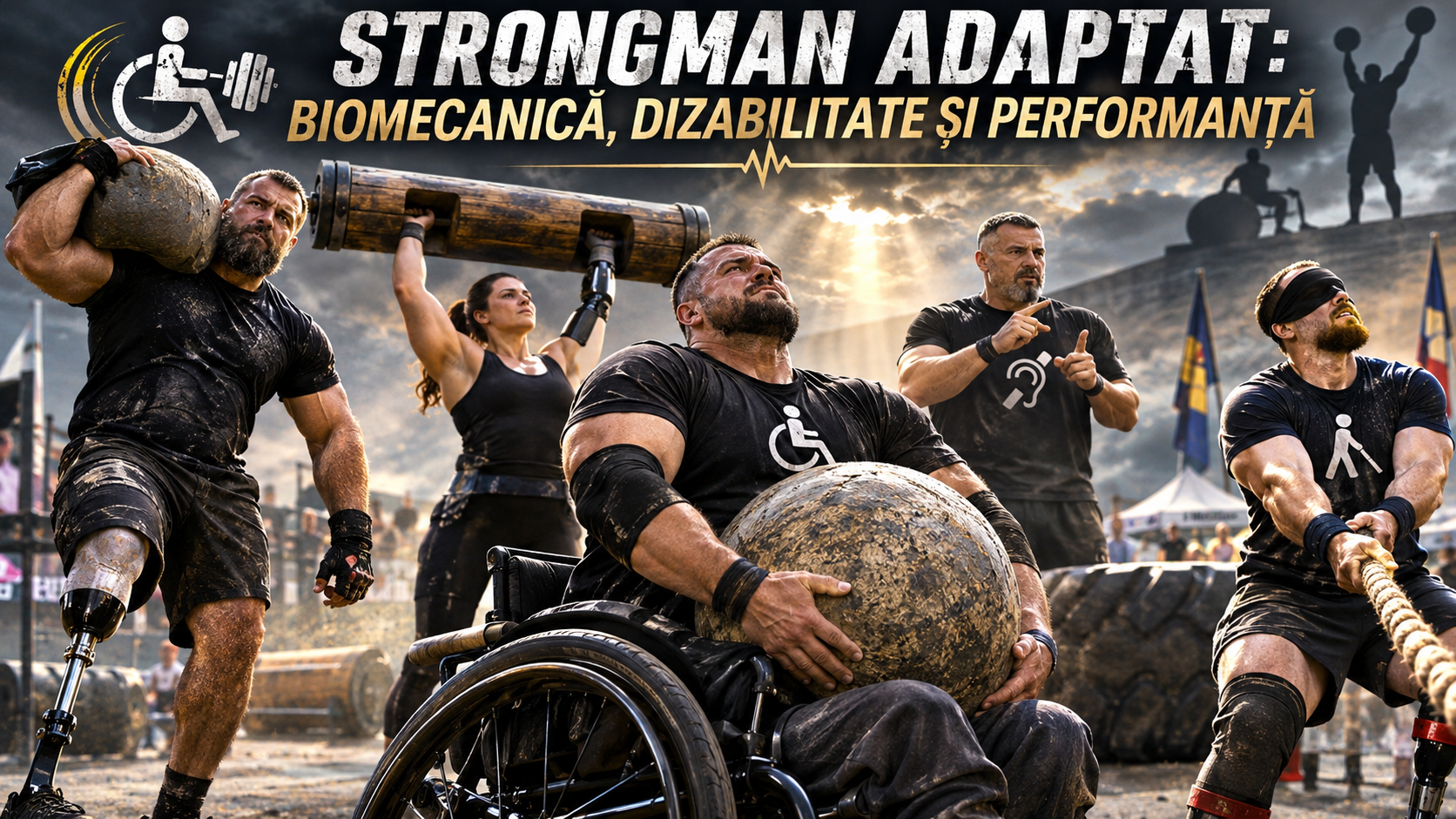
Biomechanics
ADAPTED STRONGMAN: BIOMECHANICS, DISABILITY AND PERFORMANCE | Episode 1: Strength and Disability: Principles of Participation in Resistance Sports
An introduction to adapted Strongman: strength, accessibility, biomechanics, safety and sport classification.