
Nutrition
Series: Micronutrients: The Small Things That Keep the Engine Alive - Episode 7: Zinc and Metabolism
September 11, 2026
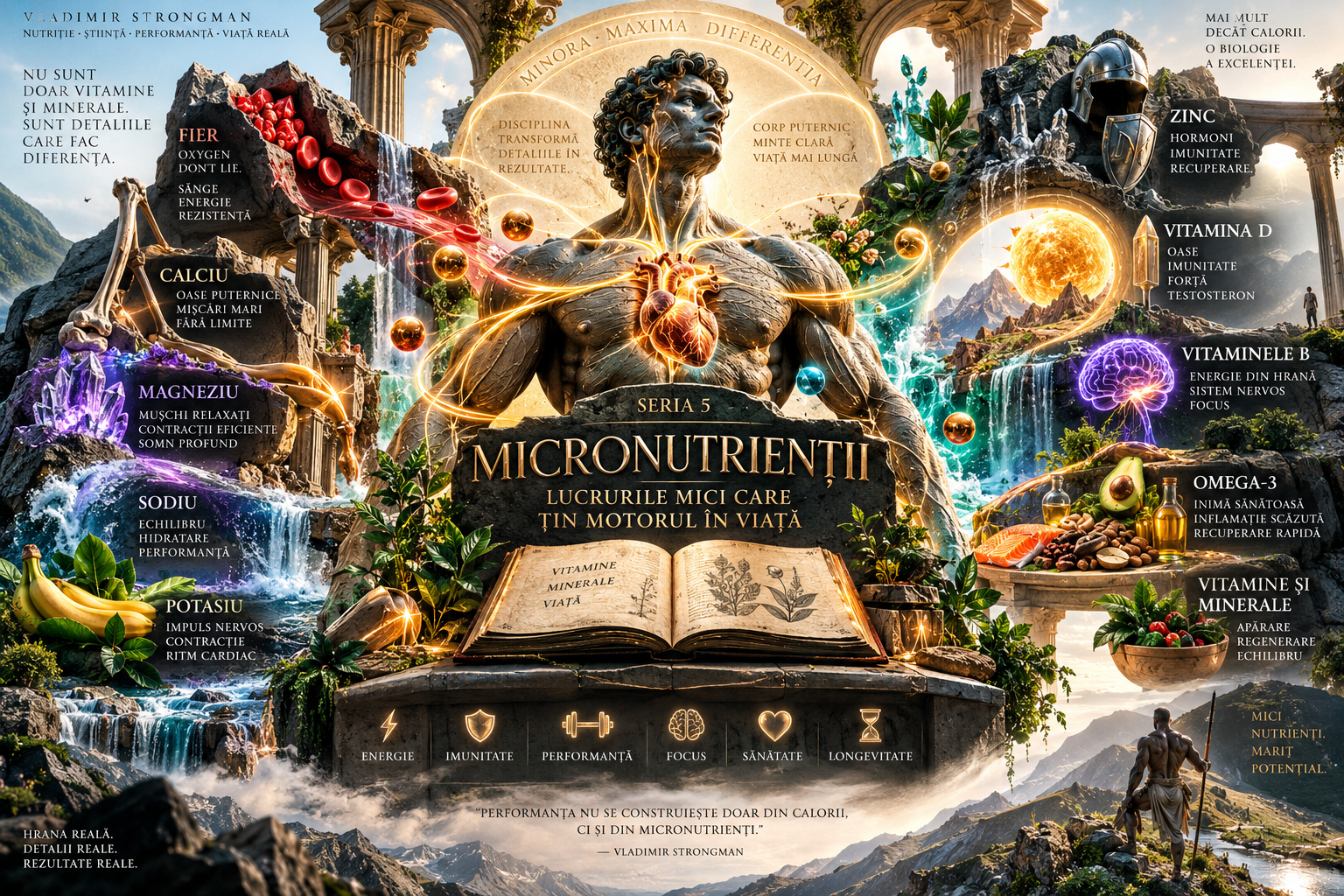
Zinc is a trace element required in small amounts but involved in an impressive number of biological processes. It contributes to the activity of hundreds of enzymes, gene expression, protein synthesis, immune function, tissue repair and reproduction. For this reason, true deficiency can affect several systems at the same time.
For strength athletes, interest in zinc often centers on testosterone and recovery. The reality is more nuanced: zinc is essential for normal metabolism and hormonal function, but supplementation above requirements does not automatically make an athlete with adequate status stronger.
1. Zinc is a trace element with disproportionately large roles
The body needs far less zinc than sodium, potassium or calcium, yet this small amount is functionally distributed throughout the organism. Zinc acts as both a structural and catalytic component in numerous proteins and enzymes.
2. Zinc participates in hundreds of enzymatic reactions
Many enzymes involved in protein, carbohydrate and nucleic-acid metabolism require zinc for structure or activity. Zinc does not provide energy, but it helps the systems that use and transform nutrients work properly.
3. Zinc influences gene expression
Zinc-finger proteins use zinc ions to stabilize their structure and interact with DNA. Through these mechanisms, zinc indirectly participates in gene regulation and the control of protein synthesis.
4. Protein synthesis requires an adequate zinc environment
Muscle growth does not depend on one mineral, but protein synthesis requires functional ribosomes, transcription, translation and enzyme activity. Zinc participates at several points in this chain.
5. Deficiency can affect appetite and recovery
Zinc deficiency may be associated with reduced appetite, altered taste and smell, slower wound healing and impaired immune defense. For athletes who require high energy intake and rapid recovery, these effects can become relevant.
6. The immune system uses zinc at multiple levels
Zinc is important for the development and function of immune cells and for inflammatory signaling. When deficiency becomes significant, immune responses may be compromised and recovery from illness may take longer.
7. Tissue healing also depends on zinc
Repair of skin and other tissues requires cell proliferation, protein synthesis and remodeling. Zinc participates in these processes, so deficiency can impair healing.
8. The relationship with testosterone is real but often exaggerated
Severe or prolonged zinc deficiency can impair gonadal function and hormone concentrations. Correcting deficiency may restore normal function. But in men with adequate intake and status, large supplemental doses are not a reliable way to raise testosterone beyond physiological levels.
9. Zinc is not a universal hormonal booster
Supplement marketing often turns a deficiency-correction relationship into a performance promise. The fact that zinc is needed for normal hormonal function does not mean more zinc automatically produces more testosterone or muscle mass.
10. Zinc absorption depends on the food matrix
Zinc from meat, seafood, eggs and dairy is generally well absorbed. In some predominantly plant-based diets, phytate from whole grains and legumes can bind zinc and reduce its bioavailability.
11. Excess zinc can create other deficiencies
High doses of zinc taken for long periods can reduce copper absorption and contribute to copper deficiency. This can affect blood formation, the nervous system and iron metabolism.
12. Conclusion: zinc supports metabolism, but it does not supercharge it
Zinc is indispensable for enzymes, gene expression, immunity, tissue repair and hormonal function. For strength athletes, the goal is not to push intake as high as possible, but to avoid deficiency and maintain a sufficient, varied diet.
Selected bibliography
National Institutes of Health, Office of Dietary Supplements. Zinc Fact Sheet for Health Professionals. Institute of Medicine. Dietary Reference Intakes. Prasad AS. Zinc in human health: effect of zinc on immune cells. King JC et al. Biomarkers of Nutrition for Development: Zinc Review.
More From The Journal

Training
The Science of Strongman Training - Episode X: Competition Programming
How to build a complete Strongman competition preparation block: calendar, events, volume, intensity, specificity, simulations, autoregulation, tapering and fatigue management.

Training
The Science of Strongman Training - Episode IX: Peaking
Peaking in Strongman: how to turn months of training into maximal competition performance by reducing fatigue, preserving adaptations and managing specificity.