
Pharmacology
Series 8: Performance Pharmacology - Episode 7: Analgesics and the Problem of Training Without Pain
September 7, 2026
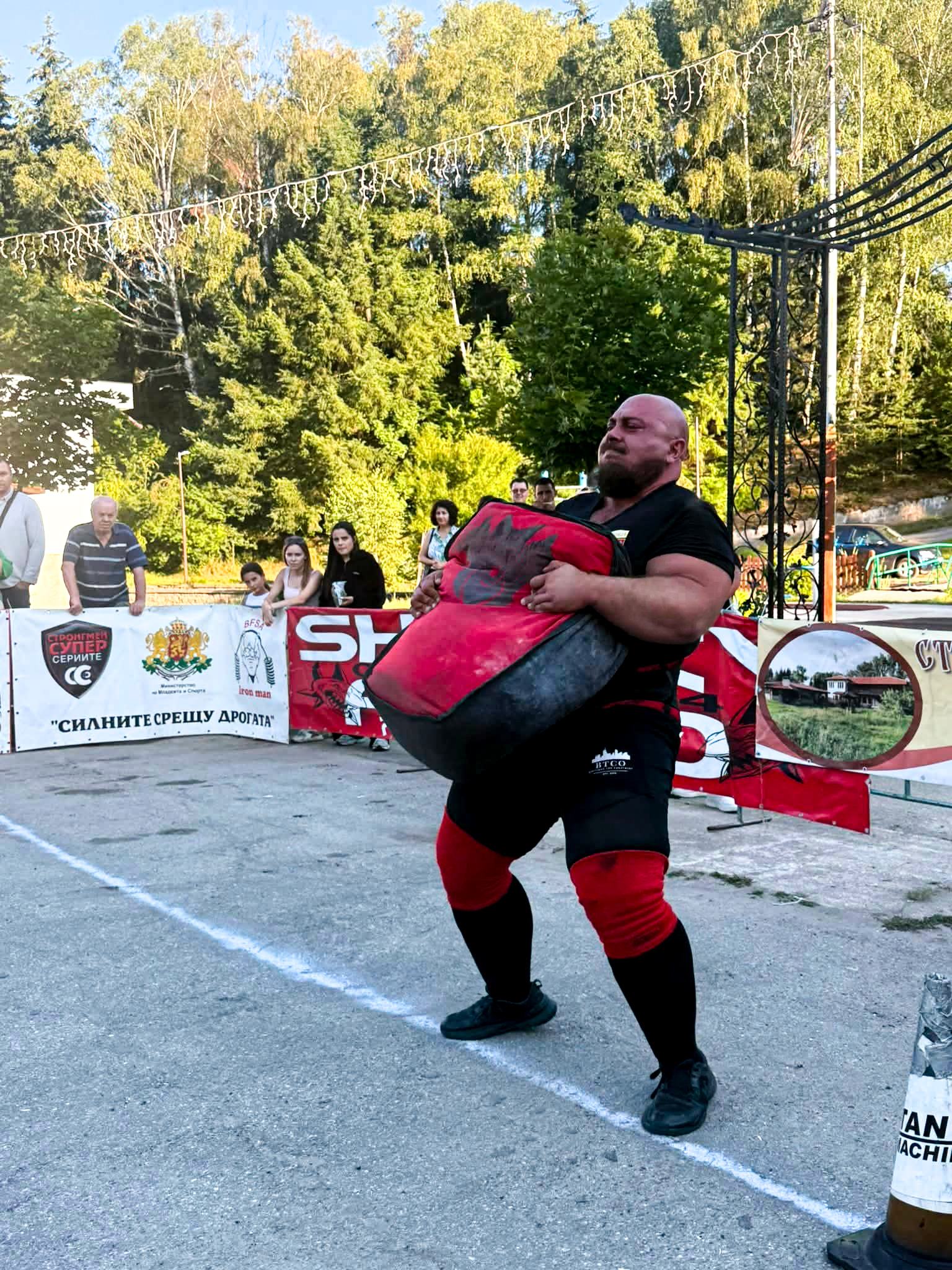
Analgesics and the Problem of Training Without Pain
Pain is one of the most unpleasant experiences in sport, but it also has an important biological function. It can signal injury, inflammation, overload or a problem requiring a change in training. Analgesics change this experience and may allow activity to continue. The problem begins when disappearance of pain is mistaken for disappearance of the cause.
1. Pain as an Alarm System
Nociception detects potentially harmful stimuli and sends information through the nervous system. Pain is the experience constructed by the brain from these signals and context. Pain intensity is therefore not a perfect measure of injury severity, but neither is it a signal that can simply be ignored.
2. NSAIDs and Inflammation
Non-steroidal anti-inflammatory drugs reduce prostaglandin synthesis and can decrease pain and inflammation. They are among the most commonly used medicines for musculoskeletal pain, including in high-level sport.
Prostaglandins also have physiological roles in the kidneys, stomach and regulation of blood flow. Reducing them can therefore affect the gastrointestinal tract and renal function, especially when dehydration or prolonged exercise is present.
3. Paracetamol and Pain Perception
Paracetamol has a different profile from NSAIDs and is widely used for pain and fever. In sport, interest includes its potential influence on pain perception without the same peripheral anti-inflammatory action. Excess exposure can cause severe liver injury, and combination products can create hidden risk.
4. Opioids
Opioids reduce pain through opioid receptors in the nervous system. They can cause sedation, dizziness, respiratory depression, constipation and dependence. In sport, the issue is not only dependence; altered pain perception can also affect judgment and coordination.
5. Training Without Pain
Being able to train without pain is not equivalent to being healed. If pain comes from an overloaded structure, masking it can allow repetition of the mechanism causing the injury. The medicine may move the point at which the problem becomes obvious rather than solving its cause.
6. Kidneys, Stomach and Hydration
NSAIDs can become more problematic when an athlete is dehydrated because the kidney depends on adequate perfusion. The gastrointestinal tract is also vulnerable to certain medicines. Exercise, heat, dehydration and analgesics can therefore form an important medical risk context.
7. Evidence in Athletes
A systematic review of pain management in elite athletes found frequent use of pain medicines, particularly NSAIDs, corticosteroids, anesthetics and opioids. The data show how normalized pain pharmacology can become in sport, but normalization is not the same as safety.
8. Anti-Doping
The WADA List regulates certain narcotics and glucocorticoids, with distinctions between prohibited-at-all-times and in-competition rules. A common analgesic may not be prohibited while another medicine in the same therapeutic area may be restricted. Exact substance status matters.
9. Conclusion
An analgesic can change what the athlete feels without changing what is happening in the tissue. That difference is the key lesson. Pain can be an obstacle to performance, but it can also be information. When that information is pharmacologically reduced, decision-making should become more careful, not more aggressive.
Key Scientific Sources
Harle CA et al. Analgesic Management of Pain in Elite Athletes: A Systematic Review. Clinical Journal of Sport Medicine, 2018. World Anti-Doping Agency. 2026 Prohibited List.
Editorial note: this article is educational and does not provide protocols for using analgesics to continue training despite pain.
More From The Journal

Training
The Science of Strongman Training - Episode X: Competition Programming
How to build a complete Strongman competition preparation block: calendar, events, volume, intensity, specificity, simulations, autoregulation, tapering and fatigue management.

Training
The Science of Strongman Training - Episode IX: Peaking
Peaking in Strongman: how to turn months of training into maximal competition performance by reducing fatigue, preserving adaptations and managing specificity.