
Pharmacology
Series 8: Performance Pharmacology - Episode 5: Diuretics and Fluid Manipulation
September 7, 2026
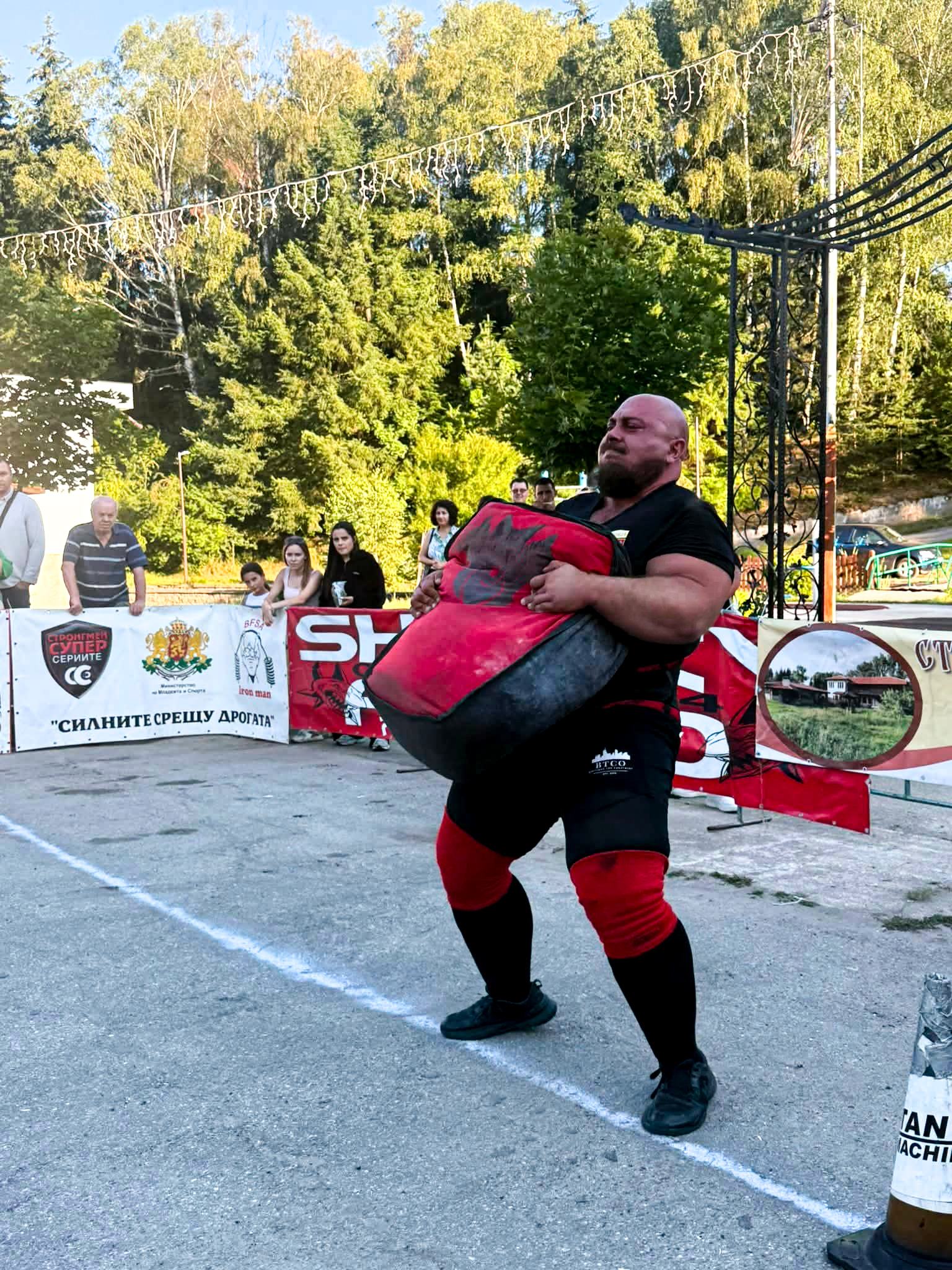
Diuretics and Fluid Manipulation
Water is not simply weight on a scale. It is the medium for cellular reactions, contributes to plasma volume, transports electrolytes and supports thermoregulation. Diuretics increase renal excretion of sodium and water and are important medicines for edema and hypertension. In sport, the same property can be exploited for rapid weight loss or to alter urine concentration.
1. How the Kidney Works
The kidney filters blood and finely regulates water, sodium, potassium, bicarbonate and other substances. Diuretics act at different segments of the nephron. Some block sodium transport in the proximal tubule, others act in the loop of Henle or distal tubule, while aldosterone antagonists modify reabsorption later in the nephron. The site of action explains differences in potency and adverse effects.
2. Why Body Weight Falls
Rapid weight loss after a diuretic is mainly loss of water and electrolytes, not loss of fat. The scale can move quickly while muscle and adipose tissue remain essentially unchanged. In weight-class sports this distinction can be tempting, but the underlying physiology is dehydration.
For an athlete who must produce force, plasma volume and electrolyte balance matter. Fluid loss can reduce perfusion, raise heart rate and impair thermoregulation. Lower body weight is therefore not necessarily better functional weight.
3. Sodium, Potassium and Magnesium
Diuresis does not remove water alone. Changes in renal transport can alter sodium, potassium, magnesium and other concentrations. Potassium is essential for membrane excitability and muscle function, and severe disturbances can cause weakness, arrhythmias and medical emergencies.
4. Diuretics as Masking Agents
In anti-doping history, diuretics have also been misused to increase urine volume or alter the concentration of other substances. This is one reason WADA includes them among prohibited substances. Manipulating urine is not only a regulatory issue; it adds physiological risk.
5. Thermoregulation
During exercise, sweating helps remove heat, but it also reduces body fluid volume. If loss is pharmacologically amplified, the body can reach a point where cardiac output and evaporative cooling become compromised. Heat and dehydration can turn a weigh-in strategy into a medical problem.
6. The Kidney Under Stress
The kidney must maintain internal balance while receiving blood through a vascular system sensitive to volume and pressure. Severe dehydration can reduce renal perfusion. Combining diuretics with intense exercise, heat or other substances can increase renal stress.
7. Anti-Doping and Weight-Class Sports
The 2026 WADA List prohibits diuretics and masking agents, and anti-doping literature describes their misuse for rapid weight loss and altered urinary excretion. Athletes should check the exact status under the rules governing their competition.
8. Conclusion
A diuretic changes the scale by changing water, not by instantly burning fat. At the same time, water is part of performance because it supports circulation, thermoregulation and cellular function. Fluid manipulation is therefore one of the clearest examples of an apparently favorable result hiding physiological deterioration.
Key Scientific Sources
Cadwallader AB et al. The abuse of diuretics as performance-enhancing drugs and masking agents in sport doping. British Journal of Pharmacology, 2010. World Anti-Doping Agency. 2026 Prohibited List.
Editorial note: this article is educational and does not provide dehydration protocols, doses or weight-manipulation methods.
More From The Journal

Training
The Science of Strongman Training - Episode X: Competition Programming
How to build a complete Strongman competition preparation block: calendar, events, volume, intensity, specificity, simulations, autoregulation, tapering and fatigue management.

Training
The Science of Strongman Training - Episode IX: Peaking
Peaking in Strongman: how to turn months of training into maximal competition performance by reducing fatigue, preserving adaptations and managing specificity.