
Pharmacology
Series 8: Performance Pharmacology - Episode 3: Substances That Influence Erythropoiesis and Oxygen Transport
September 7, 2026
Substances That Influence Erythropoiesis and Oxygen Transport
Oxygen is one of the fundamental currencies of endurance exercise. The lungs bring it into the body, hemoglobin transports it, the heart distributes it and mitochondria use it for aerobic energy production. Pharmacology can intervene at several points in this pathway, with erythropoietin as the classic example. Yet changing oxygen transport does not automatically produce a proportional performance gain and is not without medical risk.
1. What Is Erythropoiesis?
Erythropoiesis is the process through which the bone marrow produces red blood cells. The kidneys sense oxygen demand indirectly and can increase erythropoietin production when tissue oxygenation is insufficient. The hormone acts on erythroid precursors and supports their survival and maturation. The result is an increase in red-cell mass, but the process requires time and resources such as iron.
Under normal conditions the system is regulated by feedback. When oxygen transport falls, the erythropoietic signal can rise. As red-cell mass and oxygenation normalize, the stimulus falls. This feedback loop explains why artificial manipulation of erythropoiesis changes not only red-cell number but also the physical properties of blood.
2. Hemoglobin and Oxygen Content
Most oxygen in blood is transported bound to hemoglobin. Therefore total hemoglobin mass is more relevant to oxygen transport than a single resting saturation value. Blood with the same saturation but more hemoglobin can carry more oxygen per unit of blood. That is why changes in red-cell mass can influence endurance physiology.
The body is not a simple pipe, however. Oxygen must reach tissues, cross capillary barriers and be used by mitochondria. If another part of the chain is limiting, increasing red-cell mass may have a smaller effect than the hemoglobin change alone suggests. This is one reason performance studies must be interpreted in context.
3. Recombinant Erythropoietin
Recombinant erythropoietin reproduces the function of endogenous erythropoietin and can increase red-cell production. Studies in healthy people have shown changes in hemoglobin, hematocrit and physiological variables. A systematic review and meta-analysis found low-to-moderate quality evidence for improvements in some hematological and performance measures, while emphasizing heterogeneity and uncertain relevance to real competition.
A 2025 systematic review in well-trained endurance athletes also reported increases in total hemoglobin mass, hemoglobin concentration and hematocrit, together with trends toward improvement in some performance variables. The physiological mechanism is therefore real, but that does not mean every hematological increase creates a proportional advantage in every event.
4. Blood Viscosity
As hematocrit rises, blood becomes more viscous. This affects blood flow and the work required from the cardiovascular system. In a dehydrated athlete, hemoconcentration can intensify the problem. The same intervention that increases oxygen-carrying capacity can therefore also increase resistance to flow.
This is the central paradox of erythropoietic manipulation: more hemoglobin may increase transport potential, while more concentrated blood may increase cardiovascular risk. There is no single number that defines safety. Interpretation depends on plasma volume, hydration, blood pressure, cardiovascular status and exercise context.
5. Iron and Red-Cell Production
Red blood cells require iron for hemoglobin synthesis. Iron deficiency can limit erythropoiesis and produce anemia. Evaluation of an athlete with poor performance should therefore distinguish anemia and iron deficiency from other causes of fatigue. Correcting a genuine deficiency is medical treatment, not doping.
Unnecessary iron exposure does not automatically turn a healthy athlete into a better performer. Absorption is limited and excess can cause harm. Serious pharmacology begins with diagnosis: what limitation actually exists, and is it caused by deficiency, disease or another factor?
6. Hypoxia and the Natural Response
Altitude is the natural example of erythropoietic stimulation. Reduced oxygen pressure triggers physiological responses that can increase red-cell mass. Acclimatization, however, is not only about red cells. Ventilation, circulation, acid-base balance and tissue-level adaptations are also involved.
Comparing hypoxia with pharmacology shows how complex the system is. A natural or pharmacological intervention aimed at one link does not reproduce every adaptation. Erythropoietic stimulation should therefore be viewed as modification of an integrated system rather than as an isolated endurance switch.
7. Why the Sport Matters
Oxygen transport is especially relevant to endurance events, where aerobic metabolism supports a large share of energy production. In a short maximal strength event, duration is so brief that other systems may be more limiting. This does not make blood irrelevant; it means the potential effect of an intervention must be matched to the demands of the event.
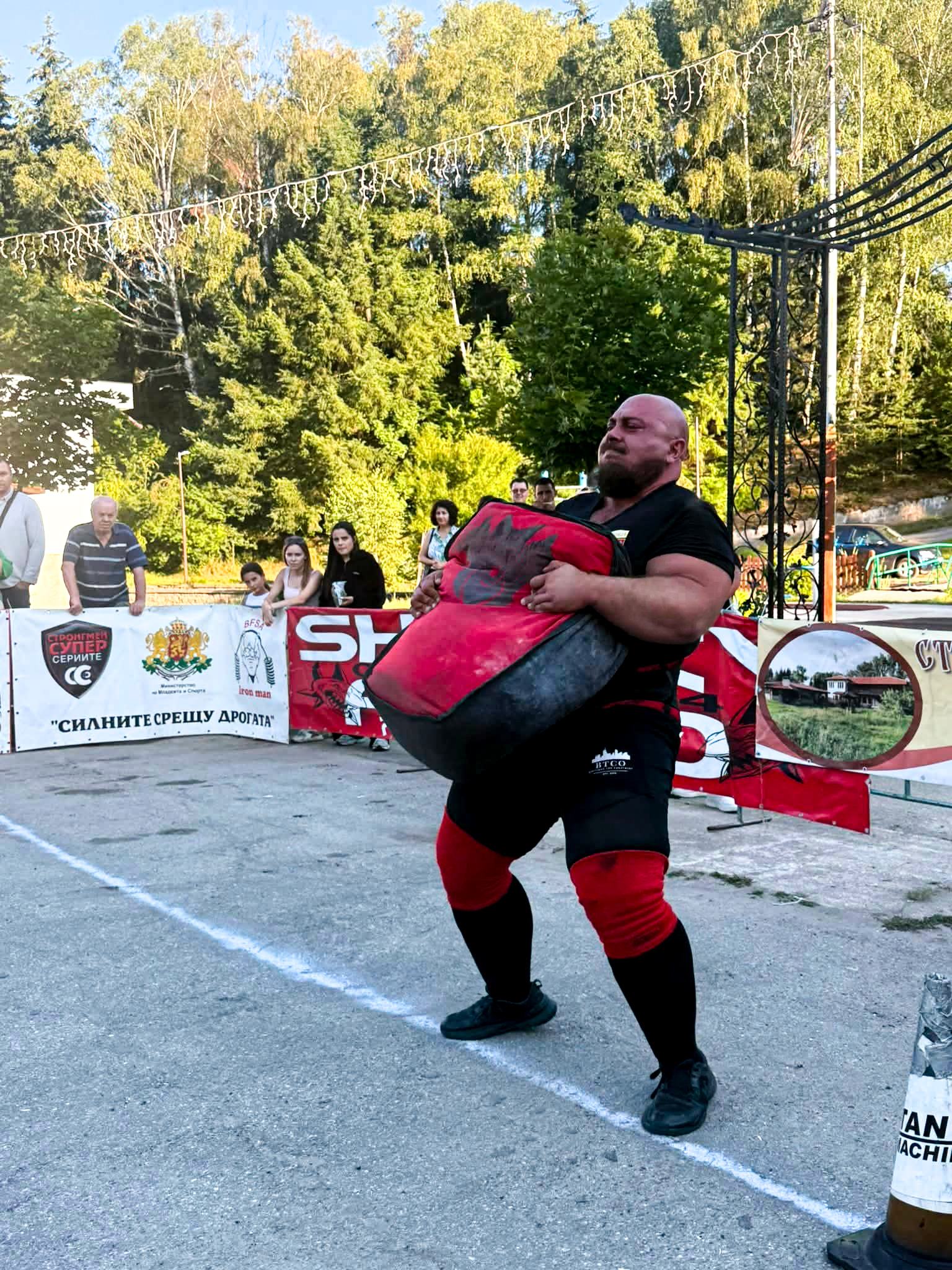
In strongman, events can combine anaerobic efforts with incomplete recovery and repeated cardiovascular stress. Better aerobic capacity may influence recovery between efforts, but it cannot replace strength, technique or local fatigue tolerance. Pharmacology must be considered against the full profile of the event.
8. Cardiovascular Risks
Interventions that increase red-cell mass can increase viscosity and cardiovascular load. The concern is not merely theoretical. Reviews of performance-enhancing drugs identify important cardiovascular risks for interventions that modify blood. Individual risk depends on multiple variables and cannot be estimated from one laboratory marker.
Dehydration, hypertension, cardiovascular predisposition and combinations with other substances can change the risk profile. A serious assessment therefore includes blood pressure, cardiovascular history, hydration status and the wider context rather than hemoglobin or hematocrit alone.
9. Laboratory Markers
Complete blood count, hemoglobin and hematocrit are starting points, but they must be interpreted alongside plasma volume and clinical context. Ferritin, transferrin and other iron-related markers may be needed when deficiency is suspected. An isolated result cannot explain performance or risk by itself.
In elite athletes, laboratory values must also be interpreted through training load, sweating, nutrition and illness. Hemoconcentration can change some values without representing a genuine increase in red-cell mass. Sports medicine has to distinguish concentration from total mass.
10. What the Literature Says About Performance
Meta-analytic evidence indicates that erythropoietin can change hematological variables and improve some maximal exercise outcomes. Translating those findings into actual competition is less straightforward because tactics, movement economy, training status and environmental conditions also matter.
A broader review of pharmacological interventions in athletes concluded that erythropoietin is associated with physiological and hematological changes but also severe adverse risks. That combination is critical: a demonstrated physiological effect does not make an intervention medically appropriate for a healthy athlete.
11. Anti-Doping and Blood Manipulation
Manipulation of erythropoiesis and oxygen transport has a long history in endurance doping. The WADA Prohibited List bans erythropoietins and other blood-doping methods within the international anti-doping system. The goal is not only to detect a molecule but also to protect athletes and competition integrity.
For athletes, this means that the status of an intervention should be checked before medical use when competition under anti-doping rules is possible. Legitimate treatment and anti-doping compliance are related but distinct questions, and medical situations may require therapeutic-use documentation.
12. Conclusion
Oxygen transport is a story about balance. More hemoglobin can increase oxygen-carrying capacity, while more viscous blood can increase cardiovascular cost. Erythropoietin can stimulate a genuine physiological process, but that fact does not turn its use into a safe performance strategy for a healthy athlete. Understanding erythropoiesis means seeing the kidney, marrow, blood, heart, lungs and muscle as one connected system.
Key Scientific Sources
Trinh KV et al. Effect of erythropoietin on athletic performance: a systematic review and meta-analysis. BMJ Open Sport & Exercise Medicine, 2020. Alberdi-Garciandia A, Santos-Concejero J. Recombinant Human Erythropoietin Effects on Well-Trained Athletes' Endurance Performance: A Systematic Review, 2025. Warrier AA et al. Performance-Enhancing Drugs in Healthy Athletes: An Umbrella Review, 2024. World Anti-Doping Agency. 2026 Prohibited List.
Editorial note: this article is educational and does not provide doses, blood-doping protocols, methods or instructions for use.
More From The Journal

Training
The Science of Strongman Training - Episode X: Competition Programming
How to build a complete Strongman competition preparation block: calendar, events, volume, intensity, specificity, simulations, autoregulation, tapering and fatigue management.

Training
The Science of Strongman Training - Episode IX: Peaking
Peaking in Strongman: how to turn months of training into maximal competition performance by reducing fatigue, preserving adaptations and managing specificity.