
Pharmacology
Series 8: Performance Pharmacology - Episode 2: Substances That Stimulate the Nervous System
September 7, 2026
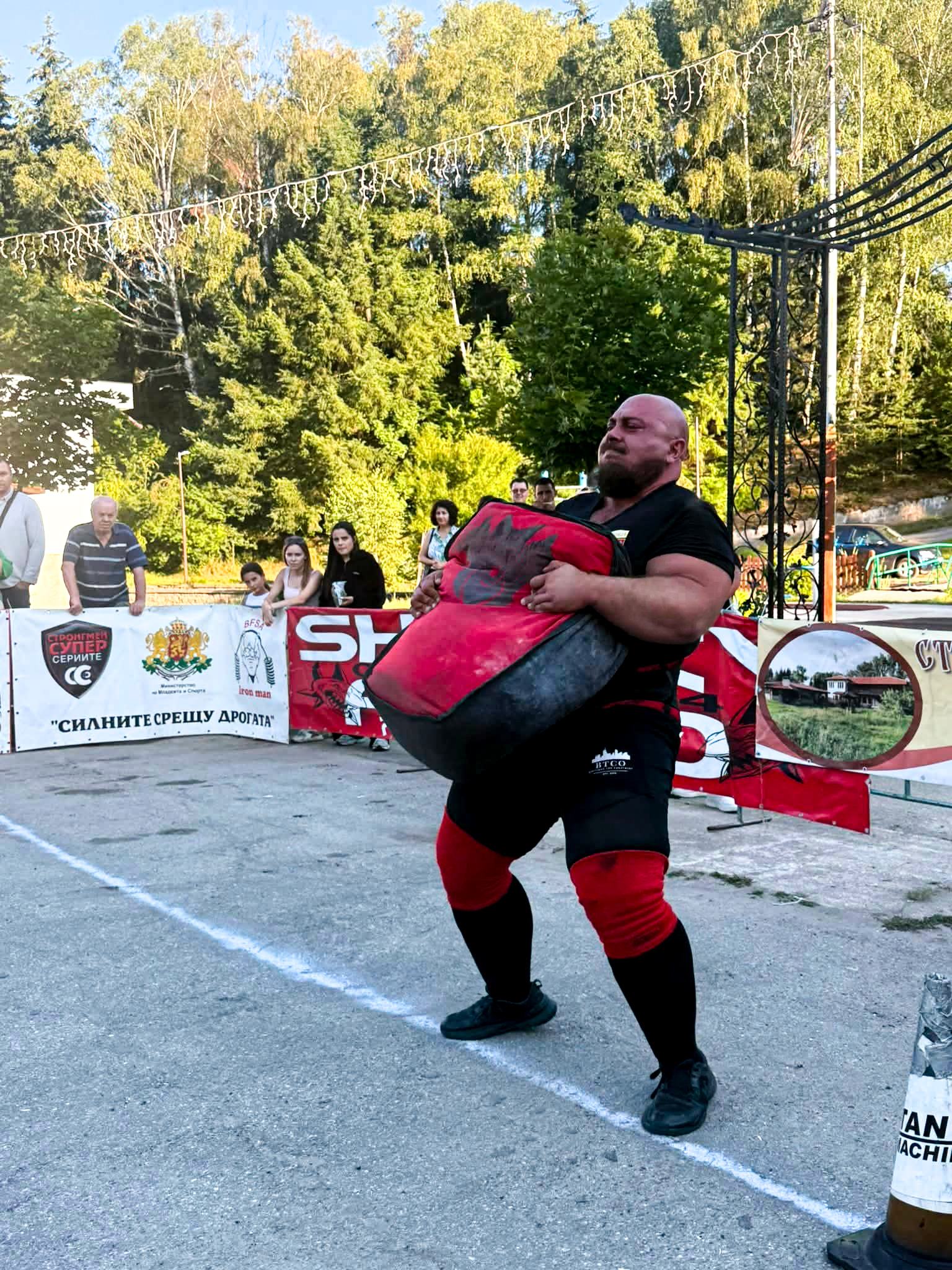
Substances That Stimulate the Nervous System
The nervous system determines how rapidly the body reacts, how much attention it can mobilize, how much effort it can tolerate, and how intensely fatigue and discomfort are perceived. It is therefore unsurprising that substances stimulating it have attracted interest in sport.
Stimulants are not a single pharmacological family. Caffeine, amphetamine-like stimulants, methylphenidate, modafinil and other molecules have different mechanisms and risk profiles. Some are prescribed for legitimate medical conditions, while some appear on anti-doping lists under specific conditions.
1. What Nervous-System Stimulation Means
Stimulation can mean greater alertness, increased sympathetic activation, greater availability of certain neurotransmitters, or a change in the balance between fatigue and motivation. In sport, small differences in attention and drive can matter during technical or high-intensity events.
2. Caffeine: The Classic Example
Caffeine acts mainly by antagonizing adenosine receptors. The result can be reduced sleepiness and, under certain conditions, changes in perceived exertion and performance.
The same action can increase nervousness, impair sleep or cause palpitations in sensitive people. In sport, acute benefit and recovery cost have to be considered together.
3. Amphetamines and Stimulant Medicines
Amphetamines and related medicines increase catecholamine availability and alter neuronal activity. In medical settings they have specific indications, but outside them they can produce substantial cardiovascular and neurological activation.
4. Methylphenidate
Methylphenidate primarily affects dopamine and norepinephrine transporters. Sports literature reports performance changes in some settings, along with increases in heart rate and core temperature.
5. Modafinil and Stimulants with Different Profiles
Modafinil does not fully resemble amphetamines, but it can alter wakefulness and alertness. This difference shows why the word «stimulant» alone is insufficient to predict the clinical or sporting effect of a molecule.
6. Catecholamines and the Sympathetic Response
Sympathetic activation can increase heart rate, contractility, blood pressure and glucose release. At the appropriate level, some of these changes support exercise. In excess, they increase cardiovascular stress.
7. Why Fatigue Can Feel Lower
A stimulant may alter perceived exertion without eliminating the metabolic processes that produce fatigue. The athlete may feel more capable of continuing while physiological demand remains high.
8. Thermoregulation
Some stimulants increase heat production or reduce heat tolerance. Combined with intense exercise and dehydration, this can increase the risk of hyperthermia.
9. Sleep: The Hidden Cost
A stimulant taken to support training or competition can compromise sleep afterward. This creates a pharmacological paradox: a substance that helps acute performance can reduce recovery if it disrupts sleep.
10. Circadian Rhythm
Performance does not exist outside the biological clock. Repeated stimulation at the wrong times can push sleep later and create a spiral of fatigue pharmacologically compensated.
11. Blood Pressure and Heart Rate
Increased sympathetic activation can raise pulse and blood pressure. For an athlete who already begins exercise with elevated heart rate and temperature, this additional load may matter.
12. Stimulants and Strength Sports
In strength sports, alertness, controlled aggression, mobilization and effort tolerance can influence an attempt. Excessive activation, however, can impair fine coordination and technical control.
13. Not Every Stimulant Improves Performance
A pharmacological effect on alertness does not guarantee a competitive advantage. The outcome depends on the event, exposure, individual tolerance, sleep, temperature and other substances.
14. Tolerance and Dependence
Some stimulants can produce tolerance and dependence. Progressively increasing exposure can turn what started as a performance tool into an independent medical problem.
15. Rebound and Withdrawal
After stopping some stimulants, fatigue, sleepiness, low mood or difficulty concentrating can occur. These effects can be mistaken for loss of fitness when the underlying issue is pharmacological change.
16. Why Combinations Are More Complicated
Combining multiple stimulant substances can add effects on heart rate, blood pressure, anxiety and sleep. The fact that each substance seems tolerable alone does not guarantee that the combination will be.
17. Anti-Doping: Stimulants Are a Special Category
The 2026 WADA List includes S6 Stimulants, with rules distinguishing substances prohibited in-competition and the applicable exceptions or thresholds for certain compounds. A prescription does not automatically mean a medicine is permitted in regulated sport.
18. What a Serious Medical Assessment Means
Medical history, blood pressure, pulse, sleep, psychological symptoms and the complete list of medicines or supplements matter more than a label such as «pre-workout» or «stimulant».
19. Myth: “More Alert Means Stronger”
Alertness is only one component of performance. Strength, technique, coordination, cardiovascular capacity and recovery can change independently.
20. Conclusion
Stimulants illustrate the paradox of performance pharmacology: they can change how the brain interprets effort and may enhance certain components of performance, while simultaneously increasing cardiovascular, thermal, psychological and sleep-related costs. Understanding the mechanism means understanding the limit.
Key Scientific Sources
World Anti-Doping Agency. 2026 Prohibited List.
ADHD Prescription Medications and Their Effect on Athletic Performance: A Systematic Review and Meta-analysis.
Cardiovascular Risks Associated with the Use of Performance-Enhancing Stimulants.
Literature on sleep, recovery and stimulant pharmacology in athletes.
Editorial note: this article is educational and does not provide doses or instructions for using stimulants to improve performance.
More From The Journal

Training
The Science of Strongman Training - Episode X: Competition Programming
How to build a complete Strongman competition preparation block: calendar, events, volume, intensity, specificity, simulations, autoregulation, tapering and fatigue management.

Training
The Science of Strongman Training - Episode IX: Peaking
Peaking in Strongman: how to turn months of training into maximal competition performance by reducing fatigue, preserving adaptations and managing specificity.