
Physiology
The Heart, Blood and Strongman - Episode 9: The Kidneys and the Regulation of Water and Electrolytes
September 5, 2026
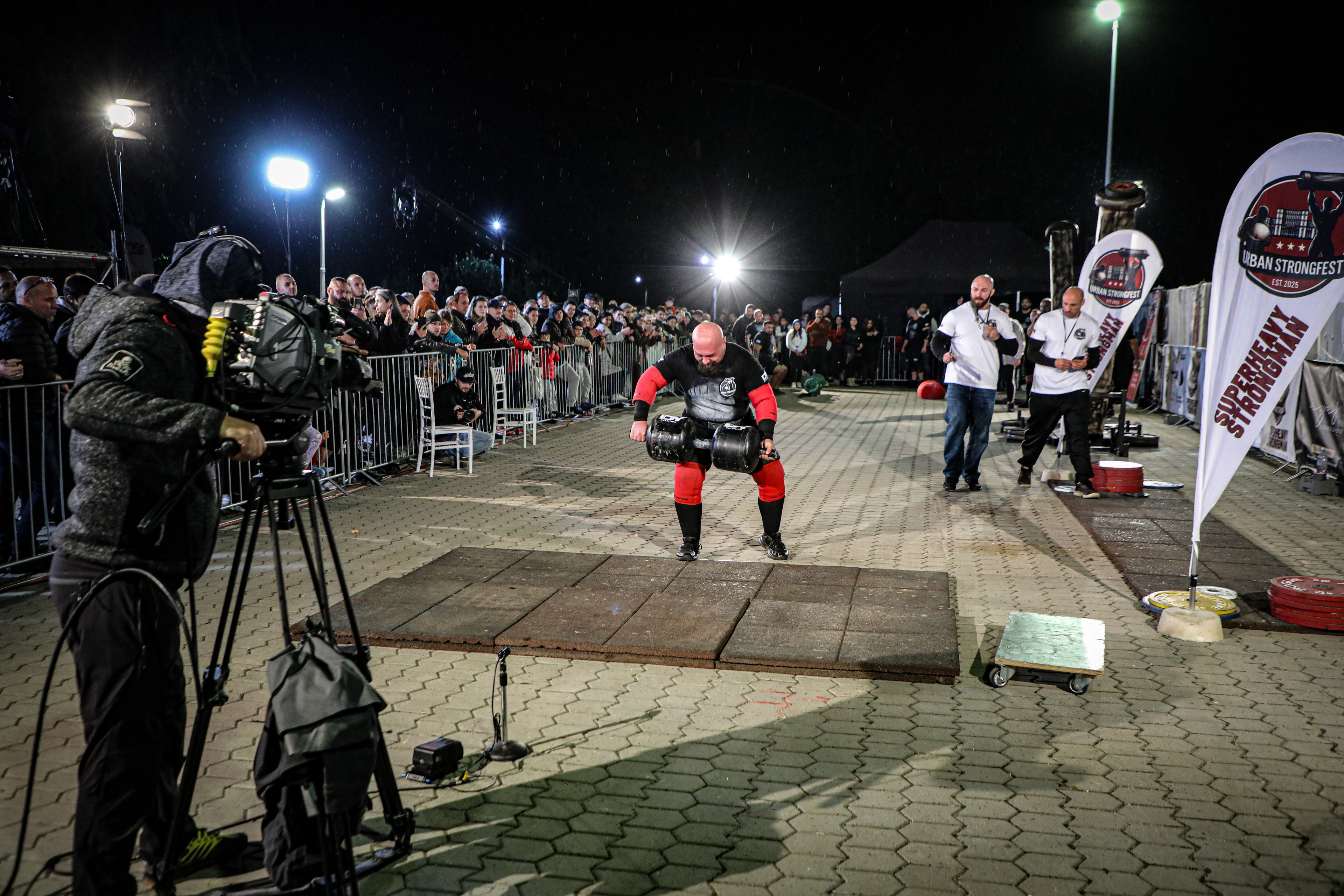
The kidneys: quiet regulators of internal balance
In previous episodes we followed blood, hemoglobin, viscosity, electrolytes and dehydration. Behind all of these processes is an organ that constantly adjusts the composition of the internal environment: the kidney. For a Strongman athlete, the kidneys do not produce force directly, but they control one of the conditions under which force can be produced: the balance of water, electrolytes and circulating volume.
The kidneys filter blood, reclaim what the body needs, excrete what is excessive and modify water and electrolyte excretion according to hydration, blood pressure, dietary intake and the physiological stress of exercise.
What do the kidneys actually do?
Through the glomeruli, the kidneys filter a large portion of the plasma delivered to the renal circulation. The filtrate then travels through the renal tubules, where water and electrolytes are reabsorbed in carefully controlled amounts. The remainder becomes urine.
This reabsorption is essential. When the body loses water, the kidneys can concentrate urine and conserve water. When water intake is high and the body does not need the extra fluid, the kidneys can excrete more water.
The kidney is more than a filter
The kidney is a regulator. It participates in control of osmolality, extracellular volume, blood pressure, potassium and acid-base balance. It also produces or activates important hormones and hormone-related signals, including renin and active vitamin D, and it produces erythropoietin, a hormone that stimulates red-cell production.
ADH: the hormone that tells the kidney to conserve water
When plasma osmolality rises or circulating volume falls, antidiuretic hormone, ADH, secretion can increase. ADH acts on the collecting ducts and increases their permeability to water through insertion of aquaporin-2 channels.
The whole-body result is straightforward: more water is retained and urine becomes more concentrated. On a Strongman day with sweating, heat and variable fluid intake, this mechanism becomes especially important.
The renin-angiotensin-aldosterone system
When renal perfusion or circulating volume falls, the kidney can release renin. Renin initiates the renin-angiotensin-aldosterone cascade. Angiotensin II contributes to vasoconstriction and stimulates aldosterone secretion.
Aldosterone increases renal sodium reabsorption and, indirectly, water retention, while promoting potassium excretion in specific nephron segments. This is one way the body attempts to preserve circulating volume and support blood pressure.
Sodium: the key to extracellular volume
The kidneys regulate sodium excretion according to the body's needs. Because sodium is the major extracellular cation, changes in total body sodium strongly influence water distribution and extracellular fluid volume.
For a Strongman athlete, this directly links hydration with blood pressure, plasma volume and recovery. Sweat sodium loss and subsequent intake cannot be understood separately from the way the kidneys regulate sodium and water.
Potassium: an electrolyte the kidney guards closely
Potassium is predominantly intracellular, but extracellular potassium concentration must be kept within a narrow range because it affects neuromuscular excitability and cardiac electrical activity. The kidney is the main organ responsible for potassium excretion under ordinary conditions.
Aldosterone and flow through the distal nephron and collecting duct contribute to potassium secretion. For that reason, kidney function, potassium intake and some medications can substantially alter potassium balance.
Why does dehydration change the kidney's workload?
During dehydration, the body attempts to reduce water loss. ADH rises, and the renin-angiotensin-aldosterone system may be activated. The kidneys reduce water and sodium excretion and produce more concentrated urine.
That response is useful for survival and circulation, but in a competition with repeated efforts, heat and sweating it means the body is operating in a conservation mode.
The kidney and blood pressure
The kidney is one of the central components of long-term blood-pressure regulation. It controls sodium and water excretion and interacts with the renin-angiotensin-aldosterone system.
In a strength athlete, this regulation overlaps with the acute cardiovascular response to exercise and with transient pressure elevations during heavy lifting. Hydration and sodium intake therefore need to be considered as part of the whole cardiovascular physiology.
What happens after a long competition day?
After hours of exercise, the kidneys have to respond to water and electrolyte losses, hormonal changes and variable fluid intake. Recovery does not end when the last event is over.
As circulating volume and osmolality normalize, ADH secretion and renin-angiotensin-aldosterone activity can fall. The kidneys can gradually shift from conserving water toward excreting excess fluid.
Too much water can also be a problem
More water does not automatically mean better hydration. If an athlete consumes large amounts of water over a short period, especially without adequate sodium intake during prolonged sweating, plasma sodium concentration can fall and exercise-associated hyponatremia can develop.
The kidneys can excrete a great deal of water, but their excretory capacity is not unlimited. The correct goal is balance, not a contest with the water bottle.
The kidney and potassium after exercise
Exercise temporarily changes potassium distribution between cells and extracellular fluid. After exercise, Na⁺/K⁺-ATPase activity and other regulatory systems help restore the distribution. The kidneys then adjust potassium excretion to maintain total-body balance.
Normally these processes work together. In kidney disease, however, potassium excretion can be impaired, and potassium supplementation can become dangerous. This is one reason concentrated potassium supplements should not be used without a clear indication.
The kidney, creatinine and the very muscular athlete
Creatinine is a product of creatine metabolism in muscle and is commonly used to estimate kidney function. The problem is that a Strongman can have far more muscle mass than the general population, and training and creatine intake can influence serum creatinine.
That means a higher serum creatinine should not automatically be interpreted as proof of kidney disease in a very muscular athlete. When clinical concern exists, a physician may use additional information or markers, including cystatin C, urinalysis and trends over time.
The kidney and muscle building
The kidneys do not build muscle, but severe kidney dysfunction can alter protein metabolism, acid-base balance, hormones and general health, all of which can affect training capacity.
For a healthy Strongman, the kidney's role is subtler: it maintains the internal environment in which muscle can receive water, electrolytes and metabolic substrates in a balance compatible with exercise.
Urine as a clue: useful, but not perfect
Urine color and volume can provide clues about hydration, but they are not perfect tests. Urine is influenced by fluid intake, medications, foods, vitamins and time of day.
In competition, thirst, body-mass change, sweat rate, temperature and overall condition provide a better picture when considered together than any single marker.
Medications, supplements and the kidneys
Some medications and supplements can alter renal perfusion, blood pressure, electrolytes or kidney function. Nonsteroidal anti-inflammatory drugs, for example, can reduce prostaglandin synthesis and impair renal hemodynamics in some settings, particularly when circulating volume is already reduced.
For a dehydrated athlete after a competition day, the combination of hypovolemia, heat, exercise and certain medications can be more important than any one factor alone.
When the kidney becomes a limiting factor
Markedly reduced urine output, very dark urine accompanied by significant systemic symptoms, swelling, unusual flank pain, confusion or substantial deterioration after extreme exercise should be medically evaluated. After extreme exertion, brown urine can also occur with rhabdomyolysis and requires urgent assessment.
A simple Strongman framework
Think of the kidney as the fine-control system for competition day: it conserves water when losses rise, adjusts sodium and potassium, participates in blood-pressure control and restores balance after exercise. But regulation has limits, and extremes of dehydration or overhydration can exceed the body's ability to compensate.
For a healthy athlete, the best strategy is not to force the kidneys in one direction but to give them a stable environment: reasonable hydration, adequate food intake, a strategy tested in training and avoidance of extreme experiments on competition day.
Conclusion
The kidneys are central to Strongman physiology because they continuously regulate water, sodium, potassium, osmolality and extracellular volume. Through ADH, the renin-angiotensin-aldosterone system and tubular reabsorption, they help the body respond to sweating, heat and rapid changes in fluid intake.
At the same time, the kidney cannot compensate for every hydration strategy or every excess. Severe dehydration, excessive water intake, uncontrolled potassium supplementation or certain medications during hypovolemia can turn a protective physiological mechanism into a clinical problem.
For Strongman, healthy kidney function means a system capable of keeping the internal environment stable enough for the heart, blood and muscle to keep working when competition becomes demanding.
Selected bibliography
Hall JE. Guyton and Hall Textbook of Medical Physiology. Elsevier.
Palmer BF, Clegg DJ. Physiology and Pathophysiology of Potassium Homeostasis. Adv Physiol Educ. 2016;40(4):480-490.
Koeppen BM, Stanton BA. Renal Physiology. Elsevier.
Cheuvront SN, Kenefick RW. Dehydration: physiology, assessment, and performance effects. Compr Physiol. 2014.
Hew-Butler T, Rosner MH, Fowkes-Godek S, et al. Statement of the Third International Exercise-Associated Hyponatremia Consensus Development Conference. Br J Sports Med. 2015;49:1432-1446.
Palmer BF, Carrero JJ, Clegg DJ, et al. Clinical Management of Hyperkalemia. Mayo Clin Proc. 2021;96(3):744-762.
KDIGO 2024 Clinical Practice Guideline for the Evaluation and Management of Chronic Kidney Disease. Kidney Int. 2024.
Poortmans JR, Francaux M. Renal responses to exercise and the effects of NSAIDs in athletes. Sports Med. Relevant sports-medicine literature.
More From The Journal

Training
The Science of Strongman Training - Episode X: Competition Programming
How to build a complete Strongman competition preparation block: calendar, events, volume, intensity, specificity, simulations, autoregulation, tapering and fatigue management.

Training
The Science of Strongman Training - Episode IX: Peaking
Peaking in Strongman: how to turn months of training into maximal competition performance by reducing fatigue, preserving adaptations and managing specificity.