
Physiology
The Heart, Blood and Strongman - Episode 7: Electrolytes, Sodium, Potassium and Magnesium in Muscle Function
September 5, 2026
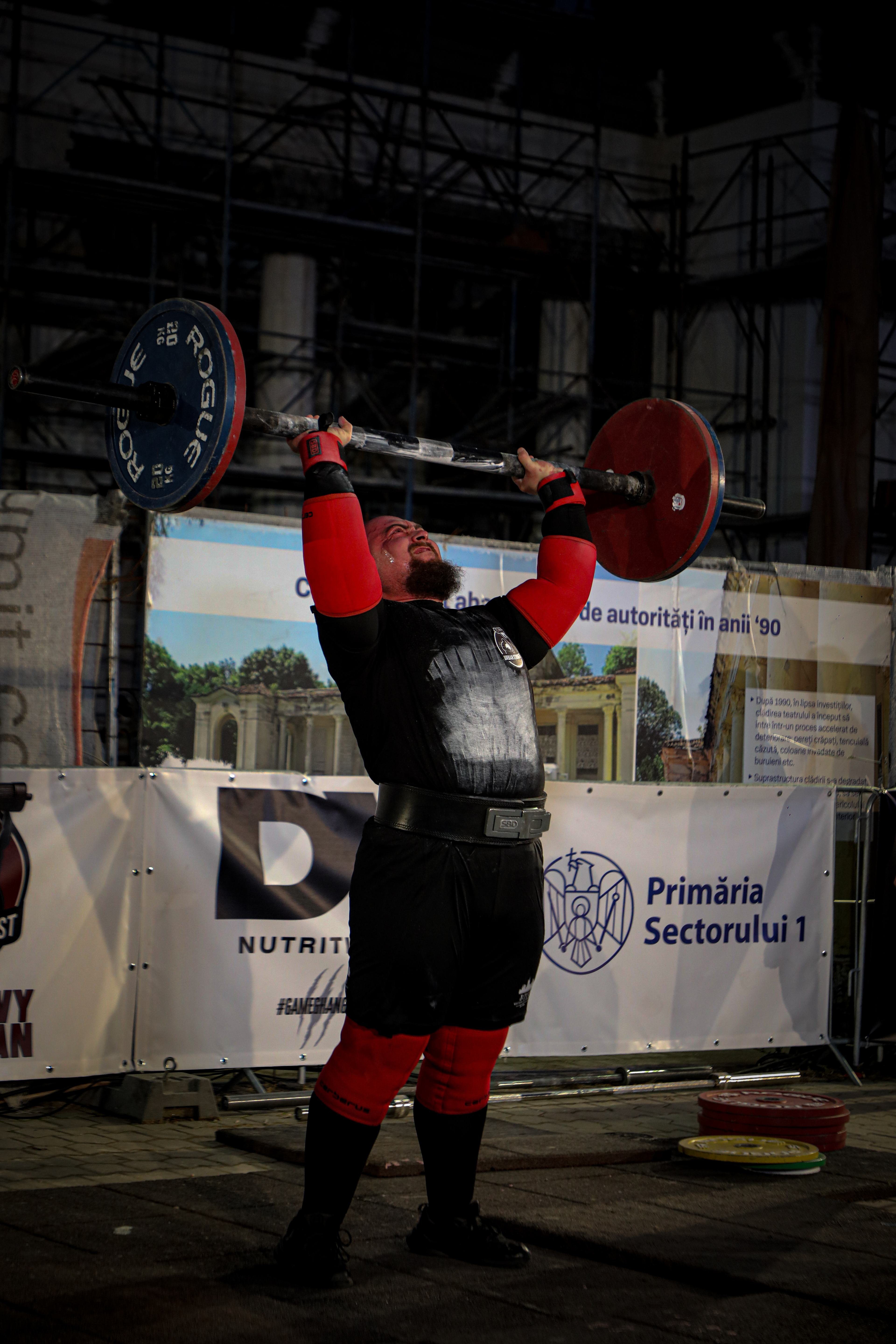
Electrolytes: small ions, huge roles
For a Strongman athlete, muscle does not function through actin, myosin and ATP alone. To generate and repeat a contraction, the nervous system must create and transmit electrical signals, the muscle membrane must rapidly change its membrane potential, calcium must be released inside the fiber, and water and electrolyte balance must be maintained.
Sodium, potassium and magnesium are central players in this physiology. They do not build muscle by themselves, but without normal concentrations and distribution of these ions, nerves and muscles cannot function normally.
What are electrolytes?
Electrolytes are substances that dissociate into ions in solution and contribute to electrical and osmotic processes. In the body, important electrolytes for muscle function and fluid balance include sodium, potassium, chloride, calcium and magnesium.
They are not distributed evenly. Sodium is predominantly extracellular, while potassium is predominantly intracellular. This difference is fundamental to membrane potential and to nerve and muscle excitability.
Sodium: the major extracellular electrolyte
Sodium contributes to extracellular fluid volume and osmotic pressure. In excitable membranes, the sodium gradient participates in the depolarization that allows an action potential to propagate.
For a Strongman athlete, this matters whenever the nervous system needs to recruit muscle fibers rapidly. Contraction does not begin with the contractile proteins. It begins with an electrical signal carried by the nerve and muscle membrane.
The sodium-potassium pump: the cell's biological battery
The Na⁺/K⁺-ATPase uses ATP to maintain different sodium and potassium concentrations across the cell membrane. Classically, it moves three sodium ions out of the cell and two potassium ions into the cell for each ATP molecule used.
This pump does not generate the mechanical force of contraction, but it creates the electrical conditions that allow nerve and muscle to work. During repeated exercise, its activity rises, and maintaining ion gradients becomes part of the energetic cost of performance.
Potassium: the major intracellular ion
Potassium is the major intracellular cation. During action potentials, potassium moves outward and contributes to repolarization.
During intense exercise, potassium can move out of active muscle fibers into the extracellular space. This contributes to changes in muscle excitability and is part of the physiology of fatigue during repeated contractions. The Na⁺/K⁺-ATPase then helps restore the gradient.
Why sodium and potassium must be considered together
There is no simple rule in which more sodium or more potassium is automatically better. Performance depends on their concentrations, distribution between compartments, water balance, and renal and hormonal regulation.
Sodium and potassium also indirectly support cell volume and the environment in which muscle contraction and electrical signaling take place.
Magnesium: quieter, but indispensable
Magnesium is involved in hundreds of enzymatic reactions and is closely linked to ATP metabolism. Inside cells, ATP is commonly associated with magnesium, and Mg-ATP participates in many reactions that support energy metabolism.
Magnesium also contributes to neuromuscular function, membrane stability, and calcium and potassium homeostasis. A true magnesium deficiency can therefore produce neuromuscular manifestations, even though magnesium is not a direct builder of contractile tissue.
Magnesium and muscle contraction
Muscle contraction is directly controlled by calcium, not magnesium. Magnesium nevertheless influences the systems that regulate calcium, membrane excitability and ATP use. It therefore serves an important supporting role in contraction and relaxation physiology.
This distinction matters: taking magnesium does not automatically turn a normal contraction into a stronger one. Its benefit is most apparent when intake or magnesium status is inadequate.
Electrolytes and muscle building
When we say muscle building, we should separate tissue synthesis from the function of the tissue that already exists. Electrolytes are indispensable for the second process and support the first indirectly by allowing training to proceed normally.
Muscle does not hypertrophy because it receives sodium or potassium. Hypertrophy results from the interaction of mechanical training, cellular signaling, adequate energy and protein intake, recovery and endocrine factors. Electrolytes provide part of the physiological environment in which these processes can occur.
Cell volume and signaling
Sodium, potassium and other osmotic particles influence the amount of water inside and around cells. Cell volume is not merely an aesthetic issue. Changes in cell volume can influence metabolism and cellular signaling.
However, an acute change in muscle fullness or hydration should not be confused with permanent growth of contractile tissue. Intracellular water can change quickly; structural hypertrophy develops much more slowly.
Sweating: where Strongman enters the story
During training and competition, electrolyte losses through sweat can become important, especially in heat, repeated events and long competition days. Sweat sodium concentration varies substantially between athletes.
Fluid and sodium loss can reduce plasma volume and impair exercise tolerance. At the same time, sweat is not a uniform loss of minerals: its composition differs from blood, and losses should be considered according to sweat rate and duration.
Why sodium matters in hydration
Sodium helps maintain extracellular osmolality and supports water retention in the extracellular compartment. During competition with substantial sweating, appropriate sodium intake can contribute to restoration of fluid balance, depending on the situation.
But the idea that more sodium is always better is as incorrect as the idea that sodium should always be avoided. Needs depend on individual losses, environment, exercise duration, diet and health status.
Potassium and hydration
Potassium is essential for cellular function and fluid distribution between compartments. However, sweat generally contains much less potassium than sodium, and ordinary food usually provides enough potassium for most healthy athletes.
Therefore, a competition drink should not be judged only by its mineral list. Concentrations, total intake, gastrointestinal tolerance and sweat losses of water and sodium all matter.
When can potassium become a problem?
Both low and high potassium can impair neuromuscular excitability and cardiac rhythm. In healthy athletes, severe hyperkalemia from ordinary food intake alone is uncommon, but risk increases with some kidney diseases and certain medications.
For that reason, potassium supplements should not be used casually. Unlike a simple dietary preference, serum potassium has direct cardiac implications when it is substantially outside the normal physiological range.
Electrolytes and nerve impulses
Strength begins with the nervous system. A neuron generates an action potential, it reaches the neuromuscular junction, acetylcholine is released, and the muscle fiber changes its membrane potential.
Sodium and potassium are essential in this sequence. Without their gradients, the membrane cannot normally generate and restore the electrical signal. For a Strongman, this means electrolytes support the neurophysiological foundation of an explosive repetition.
Electrolytes and calcium release in muscle
After the electrical signal reaches the muscle fiber, calcium is released from the sarcoplasmic reticulum. Calcium binds to troponin and permits actin-myosin interaction.
Magnesium does not replace calcium in this mechanism. Its role is more regulatory and supportive through metabolism and membrane function. This distinction explains why the statement that magnesium contracts muscle is an oversimplification.
What happens during a long event?
During a longer carry, medley or loading event, oxygen demand and heat production rise, sweating may continue, and muscle fibers receive repeated signals. In these conditions, fluid and electrolyte balance becomes part of the ability to continue working.
Fatigue is not explained by one electrolyte. Fluid loss and ionic changes can combine with metabolite accumulation, glycogen depletion and cardiovascular stress to reduce work capacity.
Electrolytes between events
In a multi-event competition, recovery starts immediately. Rehydration should be considered together with carbohydrate, sodium and the rest of the diet, depending on how long the day is and how much the athlete sweats.
The strategy should be individualized. An athlete who sweats little in a cool contest has different needs from an athlete competing for hours in the sun and losing substantial amounts of sodium in sweat.
Sodium and blood pressure
Sodium has important effects on extracellular volume and, over the long term, on blood pressure in people who are salt-sensitive. For a Strongman, this means competition hydration should be separated from the idea of consuming unlimited salt every day.
An amount of sodium that may be useful during a hot, sweaty competition is not automatically a recommendation for a chronically high-salt diet outside training and competition. Context matters.
Magnesium and cramps
Exercise-associated muscle cramps are often attributed in sports culture to magnesium deficiency, but the reality is more complex. Exercise-associated cramps are multifactorial and may involve neuromuscular fatigue, exercise intensity, conditioning and other factors.
True magnesium deficiency can contribute to neuromuscular symptoms, but not every cramp is a magnesium deficiency. The same principle applies to sodium and potassium.
Electrolytes and the muscle pump
After consuming carbohydrate and fluids, muscle can look fuller because glycogen, water and blood flow have changed. Electrolytes participate in water distribution, but this acute change should not be mistaken for permanent muscle growth.
True muscle building requires repeated structural adaptations that accumulate over weeks and months. Electrolytes support the function that makes training possible; they do not replace mechanical stimulus, protein or energy.
What happens when electrolytes are severely imbalanced?
Severe disturbances can cause weakness, dizziness, confusion, neuromuscular symptoms or arrhythmias, depending on the electrolyte involved. In competition, significant symptoms should not be managed by assuming that the athlete simply needs more electrolytes.
In particular, excessive water intake without enough sodium during prolonged sweating can contribute to exercise-associated hyponatremia. At the other extreme, aggressive sodium or potassium supplementation can also be inappropriate and sometimes dangerous.
Food sources of electrolytes
Sodium comes mainly from salt and foods prepared or processed with salt. Potassium is found in foods such as potatoes, legumes, dairy products, fruit and many vegetables. Magnesium is present in nuts, seeds, whole grains, legumes and some vegetables.
For most athletes, food should provide the baseline electrolyte intake. In conditions of heavy sweating and long duration, electrolyte drinks or products can be useful, but the amount should be matched to the situation.
Electrolytes cannot compensate for a poor diet
A product containing sodium, potassium and magnesium cannot compensate for inadequate calories, carbohydrate, protein, sleep or recovery. For muscle building, the foundation remains sufficient energy, adequate protein, progressive training and recovery.
A simple Strongman framework
Think about electrolytes using four questions: how much do you sweat, how long does the effort last, how much sodium do you lose, and what are you already consuming in your diet? Those variables provide a more rational starting point than fixed doses applied without context.
Potassium and magnesium remain physiologically essential, but they should not be treated as universally required performance supplements. Concentrated potassium in particular should not be used without a clear reason and appropriate medical context.
Conclusion
Sodium, potassium and magnesium are important pieces of Strongman physiology. Sodium and potassium support excitability and electrical signaling, while magnesium supports ATP metabolism, membrane stability and neuromuscular regulation.
In muscle building, electrolytes are not the direct builders of tissue. They provide part of the physiological environment that allows nerves, muscle, circulation and metabolism to work. Over the long term, hypertrophy comes from training, protein, energy and recovery; over the short term, electrolyte balance can help determine whether a well-hydrated system keeps functioning normally under repeated stress.
Selected bibliography
Sawka MN, Cheuvront SN, Carter R. Human Water Needs. Nutr Rev. 2005;63(6 Pt 2):S30-S39.
Boron WF, Boulpaep EL. Medical Physiology. Elsevier.
Maughan RJ, Shirreffs SM. Development of hydration strategies to optimize performance for athletes in high-intensity sports and in-game hydration. Sports Sci.
Casa DJ, Stearns RL, Lopez RM, et al. National Athletic Trainers' Association position statement: fluid replacement for athletes. J Athl Train. 2000;35(2):212-224.
Allen DG, Lamb GD, Westerblad H. Skeletal muscle fatigue: cellular mechanisms. Physiol Rev. 2008;88(1):287-332.
Frary CD, Johnson RK, Wang MQ. Food sources and intakes of magnesium in the United States. J Am Coll Nutr. 2000.
Rosano GM, et al. Electrolyte and acid-base disorders in sport and exercise physiology literature.
More From The Journal

Training
The Science of Strongman Training - Episode X: Competition Programming
How to build a complete Strongman competition preparation block: calendar, events, volume, intensity, specificity, simulations, autoregulation, tapering and fatigue management.

Training
The Science of Strongman Training - Episode IX: Peaking
Peaking in Strongman: how to turn months of training into maximal competition performance by reducing fatigue, preserving adaptations and managing specificity.