
Physiology
Bones, Tendons and Ligaments: Structures That Must Withstand Force - Episode 1: How Bone Adapts to Loading
September 6, 2026
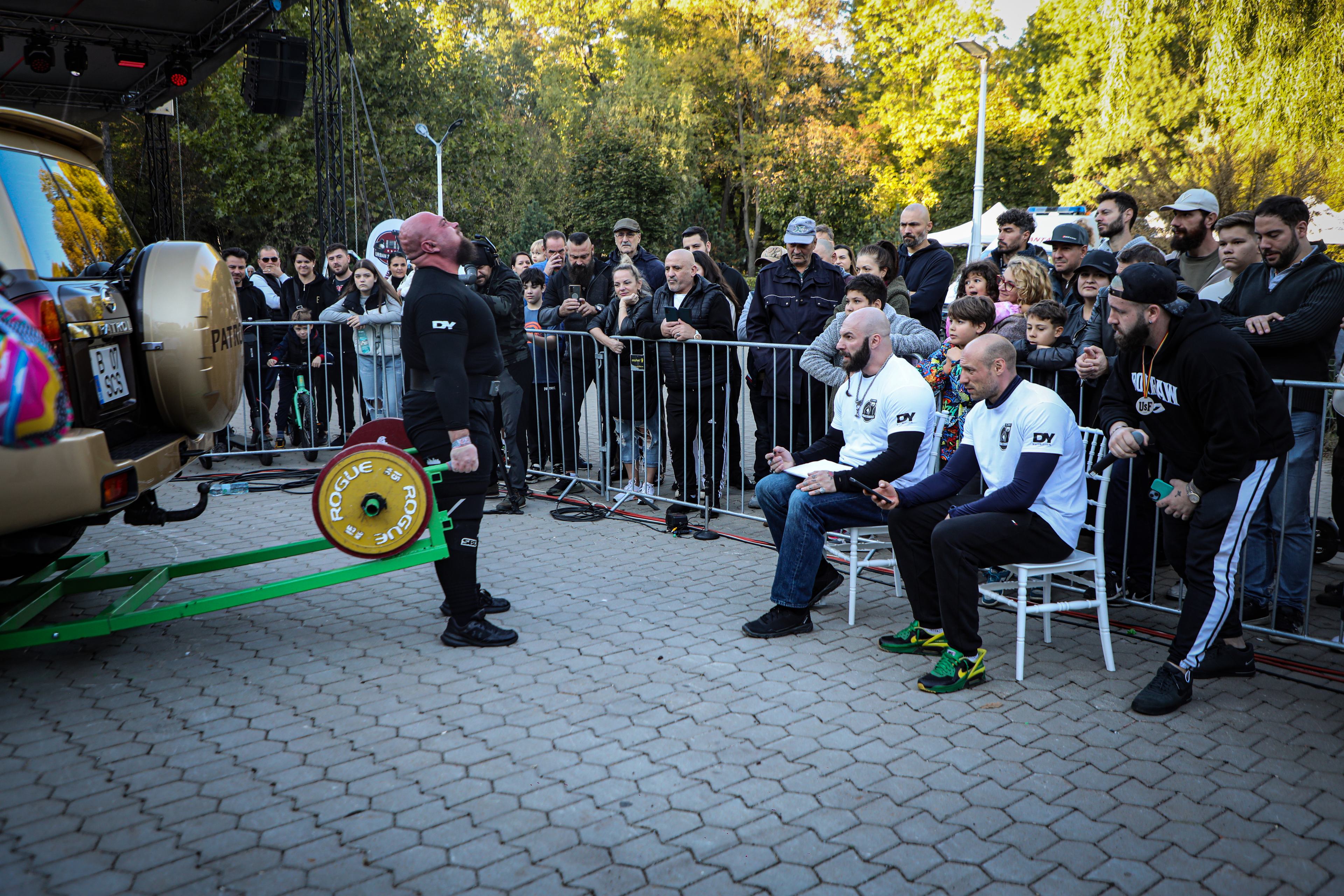
Introduction - bone is a living tissue that learns from force
When an athlete lifts a heavy weight, attention almost inevitably goes to the muscle. The muscle produces force, the tendon transmits it, the joint organizes it, and bone appears to be nothing more than the rigid support underneath the system. Biologically, that picture is deeply incomplete. Bone is a living, vascularized and metabolically active tissue that can detect changes in its mechanical environment and adjust its structure over time to meet the demands placed upon it. Bone adaptation does not simply mean that a bone becomes denser. External geometry, cortical thickness, trabecular organization, material distribution and tissue properties can all change. In mechanical terms, the skeleton seeks enough stiffness and strength for the demands it actually experiences while using material efficiently. This logic was anticipated historically by Wolff and developed in mechanostat models, but modern research has taken the story much deeper, down to osteocytes, signaling pathways, cytoskeletal behavior and communication among bone cells.
For strength athletes, this is crucial because mechanical loading is not only a stimulus for muscle hypertrophy. Forces generated by muscle contractions, axial compression, shear, torsion and impact reach bone in different forms. Skeletal response depends on the magnitude and distribution of deformation, but also on loading rate, novelty, rest intervals and the athlete's loading history. A bone receiving a sufficiently novel and relevant mechanical stimulus can initiate anabolic signaling. A chronically underloaded bone can lose mass and mechanical competence. A bone exposed to excessive repeated loading with insufficient recovery can instead move toward a state in which microdamage and repair are no longer balanced.
1. What does skeletal adaptation to loading actually mean?
Skeletal adaptation is the dynamic response through which bone changes its properties as the mechanical and biological environment changes. The concept is more complex than the popular statement that bone simply gets stronger when it is used. In reality, bone receives information about mechanical loading through the deformation it experiences. External force is not directly equivalent to biological response. The same external load can create different tissue strains in different bones, while the same bone can experience different stress distributions depending on geometry, force direction, movement speed and support from surrounding tissues. For this reason, modern literature often emphasizes strain, meaning relative tissue deformation, and the characteristics of the mechanical stimulus. Magnitude, rate, frequency, direction and spatial distribution of strain can all affect the response of bone cells.
Another key point is that bone is not trying to become maximally massive in every situation. If the biological goal were simply to accumulate as much material as possible, the skeleton would become extremely heavy. Its function is subtler: maintain sufficient stiffness and strength for real-life demands while keeping mass and metabolic cost reasonable. That is why adaptation can occur through geometric changes that improve mechanical efficiency without requiring huge increases in total mass. Increasing the outer radius of a tubular bone can have a disproportionate effect on bending and torsional resistance because material is moved farther from the neutral axis, increasing the section moment of inertia.
1.1. Load is not the same thing as deformation
This distinction is fundamental. In biomechanics we can talk about force, moment, pressure or external load, but bone tissue responds locally to what happens within the material. A thick bone and a thin bone can receive the same external force and experience very different deformations. Geometry, cortical distribution, trabecular architecture and material properties determine how force becomes strain. Therefore, when we discuss adaptation, we should avoid the simplistic association «more kilograms equals more bone response». The relationship is indirect and depends on architecture and context.
This also explains why two exercises using the same external load can provide different skeletal stimuli. A deadlift, farmer's walk and jump can produce very different combinations of compression, bending, torsion and loading rate. Strongman is particularly interesting because implements are not always standardized like powerlifting barbells and because the center of mass of the load may be displaced from the body. We therefore need to think in terms of an entire mechanical profile rather than a single number.
2. Bone is built at multiple scales - from collagen to whole-bone architecture
To understand adaptation, we need to view bone as a hierarchical material. At the microscopic level, bone contains an organic matrix dominated by type I collagen and a mineral phase based mainly on hydroxyapatite. Collagen provides an important contribution to toughness and deformation tolerance, while mineral contributes substantially to stiffness. These components do not operate independently. Their organization, cross-linking and degree of mineralization influence how the tissue behaves under load. At larger scales, lamellar organization, osteons and cortical structure emerge, while trabecular bone forms a three-dimensional network of oriented and interconnected structures.
Adaptation can occur at every one of these levels. Bone quantity can change, as can material distribution, internal orientation and external shape. This is why two people with similar areal bone mineral density measured by DXA do not necessarily have the same mechanical strength. Cortical geometry and the distribution of tissue in cross-section matter, and quantitative peripheral methods can capture features such as cortical area, cortical thickness and section moments of inertia. In competitive athletes, differences in geometry and estimated strength can sometimes be more pronounced than differences in density alone.
2.1. Cortical and trabecular bone
Cortical, or compact, bone forms the dense outer shell of long bones and an important fraction of the walls of other bones. Trabecular, or cancellous, bone forms a three-dimensional network inside metaphyseal regions and within other bones. These compartments do not adapt identically to loading. Cortical bone contributes strongly to resistance to bending and torsion in long bones, while trabecular bone can alter trabecular thickness, connectivity and material distribution to deal with complex loading. Adaptation is therefore also site-specific. A stimulus that strongly loads the tibia does not automatically produce the same transformation in the radius or femoral neck.
For Strongman athletes, this site specificity matters. Repeated loading of the spine, pelvis and lower limbs may create adaptation patterns that differ from those produced by a program dominated by upper-limb loading. Asymmetric exercises and unstable implements can also introduce shear and torsional combinations that a simple bilateral model does not reproduce.
3. The osteocyte - the mechanical sensor inside bone
One of the most important discoveries in bone mechanobiology is the role of the osteocyte. Osteocytes are mature cells embedded in lacunae within mineralized matrix and connected through a dense network of cellular processes running through canaliculi. Rather than being passive cells «buried» in bone, osteocytes form one of the most important surveillance networks for the mechanical and metabolic state of the skeleton. They receive mechanical and hormonal signals and influence osteoblast and osteoclast behavior through paracrine signaling and cell-to-cell communication.
Their structure is central to their function. When bone deforms, both the matrix around the osteocyte and the fluid environment of the lacunocanalicular system can change. Fluid movement and associated stresses at the cell surface may contribute to mechanosensitivity. Several candidate sensing elements have been proposed, including integrins, primary cilia, calcium channels and G-protein-coupled receptors. There is no single «antenna» that explains everything. Mechanotransduction is a network of mechanisms that converge on biochemical and transcriptional changes.
3.1. Mechanotransduction: from deformation to cellular signal
Mechanotransduction describes the conversion of mechanical information into a biological response. In osteocytes, loading can alter membrane tension, fluid flow, ionic channel activity, intracellular calcium, ATP release, nitric oxide and prostaglandin signaling, together with gene expression. Those signals are then integrated and communicated to bone-forming and bone-resorbing cells.
An important detail is that mechanical response is not simply a matter of «how hard». In many experimental models, loading rate and dynamic character matter. This helps explain why a huge number of identical loading cycles are not necessarily more osteogenic than fewer cycles separated by rest. Animal studies have shown that dividing the stimulus into bouts and inserting rest periods can preserve or amplify the osteogenic response, although exact rest intervals should not be mechanically translated from animal experiments into human training programs.
4. Sclerostin and Wnt/β-catenin - a major molecular gate in bone adaptation
One of the best studied pathways linking osteocytes to bone formation is the sclerostin-Wnt axis. Sclerostin is produced primarily by osteocytes and acts as an inhibitor of Wnt/β-catenin signaling in osteoblasts, reducing signals that promote osteoblast differentiation and matrix deposition. With mechanical loading, osteocyte sclerostin expression can fall. Removing this brake allows greater Wnt signaling and creates a more anabolic environment for bone.
At the intracellular level, when Wnt binds receptors such as Frizzled together with LRP5/6, the complex responsible for promoting β-catenin degradation is inhibited. β-catenin becomes stabilized and can enter the nucleus, influencing gene expression programs associated with osteoblast differentiation and matrix production. But bone adaptation cannot be reduced to the formula «loading equals less sclerostin». Sclerostin is one important component in a broader network involving endocrine, inflammatory, calcium, nitric oxide, prostaglandin and cell-cell signaling.
4.1. What happens during unloading?
At the opposite end, reduced mechanical stimulation is associated with increased sclerostin and activation of pathways that promote bone loss. Immobilization, microgravity and other unloading states can accelerate resorption and reduce bone mass and mechanical competence. For athletes, the principle is straightforward: bone needs regular loading, but it also needs enough recovery to prevent an adaptive stimulus from becoming tissue damage.
5. Osteoblasts, osteoclasts and osteocytes - the three actors of bone remodeling
Osteoblasts are specialized bone-forming cells. They produce osteoid, an organic matrix rich in type I collagen, and participate in subsequent mineralization. Osteoclasts are specialized bone-resorbing cells able to dissolve mineral and degrade the organic matrix. Osteocytes coordinate much of the dialogue between these populations. This is not a simple competition between a «good cell» and a «bad cell». Normal remodeling is essential for repairing microdamage, replacing aged tissue and maintaining mineral homeostasis.
Adaptation to loading includes both remodeling and modeling. Modeling can add bone to a surface without requiring prior resorption of exactly the same region. Remodeling usually involves coupled resorption and formation within a coordinated unit. Modern research challenges the idea that remodeling is the only or dominant adaptive mechanism and emphasizes that under increased loading, formation modeling can make a major contribution to changes in bone shape and stiffness.
5.1. RANKL and OPG - controlling resorption
Osteocytes can influence osteoclast formation through the RANKL-OPG system. RANKL promotes osteoclast differentiation, while osteoprotegerin, OPG, acts as a decoy receptor that reduces RANKL availability to RANK on osteoclast precursors. The balance between these signals is influenced by mechanical and hormonal state. With appropriate loading, the environment can become more favorable to bone preservation and formation; with unloading, pro-resorptive signals can increase.
6. Modeling versus remodeling - the distinction that changes how we see adaptation
Modeling is a change in bone shape through formation and resorption activities that do not have to be tightly coupled at the same microscopic site. During increased loading, formation modeling can add material at periosteal or endosteal surfaces and enlarge structural dimensions. Remodeling is more strongly associated with maintenance and repair, in which resorption is followed by formation in a coordinated cycle. Both are essential, but they affect geometry and integrity differently.
For athletes, the distinction matters because adaptation should not be measured only through areal bone mineral density. Bone can become stronger by changing size and material distribution even when average density changes modestly. Increased cortical area and section moment of inertia can improve resistance to bending and torsion substantially. Biomechanical literature shows that relatively small external geometric changes can create large gains in structural strength.
7. Why bone geometry can matter more than simple density
When we view a long bone as an engineering structure, material distribution becomes crucial. For the same amount of material, placing more of it farther from the center of the section can increase bending resistance. This is one reason periosteal adaptation can have such a large mechanical effect. Expanding cross-sectional dimensions and changing cortical thickness can improve bending and torsional resistance without a proportional increase in overall mineral density.
Athlete studies describe differences between dominant and non-dominant limbs and between athletes and less active populations in geometry, microarchitecture and indices of strength. In tennis, for example, the dominant arm can display different bone geometry and microarchitecture from the opposite side. This functions as a natural experiment: a body exposed to a different mechanical environment develops a different skeleton.
7.1. Section moment of inertia
The second moment of area, or section moment of inertia, describes how material is distributed around an axis and is fundamental to bending resistance. It is not a mysterious biological property but a consequence of geometry. When material moves farther outward from the center of the section, the section moment of inertia increases, and the same bending load causes less deformation. The skeleton can therefore gain a lot from a relatively small change in shape. This mechanical logic helps explain why geometric adaptation can be highly important for athletes exposed to large forces.
8. Loading must be sufficiently novel to create a signal
Bone does not respond indefinitely to the same mechanical dose. A recurring observation in mechanobiology is that the adaptive response can decline as a stimulus becomes familiar. This is not the same as saying habitual loading becomes useless. Habitual loading is enormously important for maintaining homeostasis. It means that additional adaptation often requires a meaningful change in the mechanical environment. Experimental research has shown that short rests between cycles and distributing loading into bouts can enhance the osteogenic response, although exact protocols from animal models should not be transferred directly into human programming.
For resistance training, this suggests that progression matters not only for muscle and the nervous system. Increasing load, changing movement velocity, introducing new exercises or altering how force is distributed can change the mechanical environment of bone. But skeletal adaptation is slow compared with the feeling of progress in the gym. Not feeling anything does not mean that bone is not adapting, and increasing load rapidly just to «force» bone adaptation can be a poor strategy.
9. Loading rate, dynamics and why rapid force application can be special
Biomechanically, two loads with the same peak deformation can produce different responses if applied at different rates. Bone can detect dynamic components of loading, and experimental work has identified loading rate and cycle characteristics as important variables in osteogenesis. For athletes, this helps explain why jumps, landings, sprinting, explosive lifts and other rapid-force activities can be mechanically informative.
This does not mean every session should become a collection of impacts. High loading rates can increase stimulus but also increase local mechanical demand. Bone responds to a combination of magnitude, rate and repetition. Therefore, the value of a rapid stimulus must be considered relative to the tissue's current ability to tolerate and repair microdamage. This balance separates useful adaptation from overuse injury.
10. Microdamage - when loading becomes an integrity problem
An adapted bone is not a bone without microcracks. Mineralized tissue is exposed to repeated loading and can accumulate small-scale damage. Remodeling helps replace affected tissue. When the rate of microdamage exceeds repair capacity, risk of stress injury rises. The difference between beneficial and harmful loading is not defined by one universal threshold. It depends on magnitude, frequency, repetition, bone type, training history and recovery.
Microdamage is not only a material problem. It can also alter osteocyte behavior and local signaling. Damaged regions can become remodeling targets, while cellular changes help recruit repair processes. Intelligent training therefore does not attempt to eliminate all bone stress. That would be impossible and counterproductive. The goal is to preserve a favorable relationship between a sufficient adaptive stimulus and sufficient recovery capacity.
11. Muscle can reshape bone indirectly - muscular force as a mechanical signal
Bone is not loaded only by body weight or the external object. Muscle contractions create substantial internal forces across insertions, joints and bone segments. In strength sports, increasing muscle capacity can raise both external load and internal force. This is one reason muscle and bone adaptation are tightly linked. Literature on bone mechanics emphasizes the contribution of muscle action to skeletal loading.
The relationship can also be bidirectional. Stronger bone permits larger forces to be transmitted with lower mechanical risk under appropriate conditions. Better technique can change force distribution and alter which bone regions experience the largest moments and strains. Strongman is therefore an integrated system: muscle generates force, tendon transmits it, bone carries it, and all three tissues adapt to the shared loading history.
12. What happens to bone during resistance training?
Resistance training can provide a substantial mechanical stimulus to the skeleton. Effects are often most visible at sites that receive the greatest loading, reinforcing the principle of site-specific adaptation. Exercise and skeletal-strength research has linked resistance training to changes in density, geometry and mechanical indices, and some meta-analyses report benefits in selected populations, including people with low bone density. Still, responses vary by program, population, skeletal site and measurement method.
For advanced athletes, the key point is that bone does not adapt instantly. Neuromuscular strength can improve over weeks, while structural skeletal changes occur over longer periods. If an athlete moves rapidly from low training exposure to very heavy loading, the nervous system and musculature may appear capable of handling the weight before skeletal adaptation has fully caught up. This temporal mismatch is one physiological reason for controlled progression.
12.1. Bone mineral density does not tell the whole story
DXA provides a valuable clinical estimate of areal bone mineral density, but it cannot describe every feature that determines strength. Microarchitecture, cortical thickness, cross-sectional area, trabecular orientation, collagen quality and material distribution all contribute to mechanical performance. An article about athletic bone health should therefore avoid the simplistic equation «more BMD equals more strength». The association is real, but incomplete.
13. Skeletal site specificity - why every bone does not adapt the same way
Bone adaptation is local. The skeleton does not receive identical mechanical information at every location. Femur, tibia, humerus, radius and vertebrae have different geometries and different loading histories. Even along the same bone, proximal, diaphyseal and distal regions can adapt differently. Athlete studies demonstrate regional differences in geometry and microarchitecture.
This has an important practical consequence. An athlete cannot assume that «I have strong legs, therefore my entire skeleton is strongly loaded». Training can be mechanically extreme in one region and relatively modest in another. For a Strongman competitor, lower limbs and spine may receive frequent heavy loading, while upper limbs experience distinct patterns in log press, axle and carries. Bone adaptation will reflect those specific patterns, not a generic label such as «strength training».
14. Age, maturation and the window of adaptation
Skeletal response to loading depends on biological stage. During childhood and adolescence, bone length and diameter are changing, and mechanical loading can influence the geometry that remains relevant later in life. During young adulthood, peak bone mass becomes an important reference point, while continued loading supports maintenance. With aging, hormonal changes, physical activity, nutrition and accumulated microdamage can alter the response. Yet adult bone remains adaptable. Exercise research supports beneficial skeletal responses even later in life.
For athletes, this means that the life stage changes not only the capacity to produce force but also how the skeleton responds and recovers. A progression that works perfectly at age 20 should not be copied mechanically at 40 or 50. Appropriate loading depends on current recovery capacity and skeletal history.
15. Energy availability and hormones - why bone needs a favorable biological environment
Mechanical force does not act in a biological vacuum. Bone adaptation depends on energy availability, protein, calcium, vitamin D, sex hormones and other endocrine and metabolic mediators. An athlete who sharply increases training volume while chronically maintaining low energy availability may impair tissue adaptation. Sports-medicine literature highlights links between low energy availability and skeletal health, particularly when the imbalance is persistent.
This is particularly relevant during competition preparation, when an athlete may combine high volume, psychological stress, imperfect sleep and body-mass manipulation. Bone needs resources to produce matrix, mineralize it, regulate remodeling and repair microdamage. An excellent mechanical program can therefore be undermined by a chronically unfavorable metabolic environment.
16. What does adaptation look like at the level of cell, tissue and organ?
It is useful to summarize bone adaptation as a sequence of levels. At the organ level, loading creates tissue deformation. At the microscopic level, that deformation alters the osteocyte environment and matrix. At the cellular level, fluid movement, membrane tension and ionic signaling change. At the molecular level, signals such as sclerostin, Wnt/β-catenin, RANKL and OPG change along with mediators such as nitric oxide, prostaglandins and other paracrine factors. At the tissue level, osteoblast and osteoclast activity changes. Over time, those processes modify cortical thickness, trabecular distribution and outer geometry. The end result is altered stiffness and structural strength.
This scale of adaptation explains why bone can be understood as a feedback system. Mechanical environment influences cells, cells alter tissue, and altered tissue changes the deformation produced by the same load. As a bone becomes stiffer, the same force may create less strain. The new structure can therefore reduce the original signal. This is an elegant form of physiological self-regulation, conceptually related to Frost's mechanostat.
17. Strongman - a natural laboratory for skeletal adaptation
Strongman provides an almost ideal environment for seeing how complex skeletal adaptation can be. Events are not simply repeated versions of one movement. Log press, axle, deadlift, farmer's walk, yoke, stones, sandbags, carries and other events combine different loading profiles. Some emphasize axial compression, others bending, torsion or asymmetrical force. An experienced Strongman therefore does not simply develop «denser bones» but a skeleton shaped by his or her unique mechanical history. That is a physiological conclusion, not merely a metaphor.
There is also a reverse side. Because the mechanical environment is so varied, loading can escalate before all tissues have time to adapt. Muscle and nervous-system performance may improve quickly, while certain bone regions may have a slower adaptation curve. This does not mean strength athletes are inevitably fragile. It means performance should be considered together with loading history and signs of tissue overload.
17.1. A bone can become stronger without becoming dramatically larger
The public sees muscle growth and associates progress with visible size. Bone behaves differently. It can adapt through changes in outer and inner geometry, cortical thickness, material distribution and tissue properties. Sometimes the visible difference is small while the mechanical difference is meaningful. This is one of the central distinctions between muscle hypertrophy and skeletal adaptation.
18. How much does intensity matter?
Intensity matters, but the term must be defined carefully. A high external load can produce substantial strain in one skeletal region, but its effect depends on geometry and force distribution. Conversely, a moderate load applied in a novel context at a high rate may still create a meaningful mechanical stimulus. Modern literature supports the idea that magnitude, rate, cycle number and loading history interact. There is no single universal «osteogenic» scale that turns skeletal programming into a simple formula.
In resistance training, heavy lifting often provides substantial mechanical loading, but that does not mean every heavy set is automatically superior for bone. More is not always better. Beyond a point, excessive repeated cycles may increase fatigue and microdamage without producing proportionally more anabolic signal. Experimental work on desensitization and rest insertion supports the broader idea that stimulus efficiency depends on how it is structured.
19. Why stimulus variation can be useful for bone
If osteocytes respond to changes in mechanical environment, intelligent variation becomes biologically interesting. Exercise changes can alter force direction and distribution. Changes in repetitions and velocity alter loading dynamics. Unilateral versus bilateral work changes asymmetry. Changes in implement position alter joint moments and skeletal loading. A well-designed program can therefore expose bone to a range of mechanical signals without making every session a maximal test.
But variation is not the same as chaos. Predictable progression helps tissues adapt and allows monitoring. If load, volume, velocity, exercises and frequency all change simultaneously, it becomes difficult to know what caused either a favorable result or a symptom. In Strongman, periodization can be valuable precisely because it alternates stressors and controls total dose rather than simply accumulating difficult events.
20. Adaptation versus injury - where is the line?
There is no visible line on the competition platform showing when bone moves from adaptation to injury. It is a biological continuum. Sufficient loading can activate anabolic signaling and modeling. Very high or repetitive loading can add microdamage. If recovery and repair keep pace, the structure can maintain integrity and adapt. If the balance remains tilted toward damage, the tissue may progress toward stress injury. Reviews of the adaptive and injury response emphasize that the same bone can generate different outcomes depending on magnitude and other loading parameters.
This is especially important for athletes who train far above average. A program may be excellent for muscle yet poorly suited to a particular bone if it repeatedly produces the same local stress. Changing one exercise or redistributing loading can sometimes solve a problem without sacrificing overall performance. Changing the loading vector or moving a stressful event farther apart can reduce local repetitive stress while preserving the general training stimulus.
21. Bone recovery - tissue needs time, not just motivation
Bone is not simply material receiving force. It is a tissue that must synthesize matrix, mineralize it, coordinate resorption and repair affected regions. Recovery includes adequate sleep, sufficient energy intake, adequate protein, relevant micronutrients and fatigue management. For high-performance athletes, recovery should be treated as part of mechanical dosing. It is not separate from training. It is what allows a stimulus to become adaptation.
Sleep and energy availability are particularly important. It is not enough to say «I ate enough protein». If total energy availability is chronically too low, the organism may reduce investment in tissues that are not immediately required for survival. In weight-class or body-mass-sensitive sports and in very high-volume training, monitoring energy intake becomes part of skeletal health.
22. How should an advanced Strongman athlete think about skeletal loading?
The first principle is to view bone as adaptable but slow. The second is to understand that the weight on the bar alone does not define the stimulus. The third is to monitor stress repetition and loading history, not only performance. An advanced athlete should ask which regions are loaded, how often each week, by what type of force and at what rate. In a complex program, the same bone can be loaded by squatting, deadlifting, carries, yoke and competition events without the athlete counting them as «the same exercise». For tissue, however, all of these loads become part of the mechanical history.
The second practical principle is progression. There is no special virtue in increasing loading faster than tissue can respond. Strength can rise rapidly through neural and technical adaptation, and the ability to move a heavy load can temporarily exceed the mechanical adaptation of certain structures. This does not mean training must become timid. It means aggressive progression should be deliberate rather than accidental.
23. What does science tell us about athletes and skeletal health?
Evidence from impact sports and resistance training generally shows that athletes exposed to greater mechanical loads often have advantages in density, geometry or estimated bone strength compared with less active populations. But sport type matters. Impact and multidirectional loading can produce different adaptations from repetitive low-impact activity. Sex, maturity, activity history and energy availability also modify the response.
Recent work continues to refine the picture. It is no longer enough to say «loading increases BMD». Modern research examines osteocyte mechanotransduction, cortical geometry, microarchitecture, material quality and cell-cell signaling. Even favorable clinical trials must be interpreted in the context of skeletal site and protocol heterogeneity. Bone is complex enough to resist every universal formula.
24. An integrated model of bone adaptation
We can summarize adaptation as a chain: external load, local deformation, mechanical detection by osteocytes, mechanotransduction, altered signaling, regulation of osteoblasts and osteoclasts, changes in matrix and geometry, and finally changes in the mechanical properties of bone. But the chain is not truly linear. Bone properties influence deformation, deformation influences signaling, and signaling changes bone properties. It is a feedback loop.
Within that system, muscle, tendon and bone should be viewed together. Muscle produces active tension. Tendon transmits and modulates force. Bone distributes and carries the load. Each tissue has a different adaptation rate and different stress tolerance. Maximum performance comes not from maximizing one component but from coordinating all of them.
25. Conclusion - bone becomes what mechanics demands, within the limits of biology
Bone is one of the most fascinating tissues in the human body precisely because it is not static. It reads the mechanical environment and responds through a combination of modeling, remodeling and changes in tissue properties. Osteocytes occupy a central role in this story, detecting mechanical changes and regulating signals that influence osteoblasts and osteoclasts. Pathways such as Wnt/β-catenin, sclerostin and RANKL-OPG connect physical force to cellular biology.
For the strength athlete, the practical conclusion is powerful. Healthy bone does not emerge from inactivity, but neither does it come from uncontrolled bombardment with maximal loads. Optimal adaptation requires a sufficiently relevant mechanical stimulus, progression, intelligent variation, recovery time and a favorable metabolic environment. Density is only one piece of the puzzle. Geometry, microarchitecture and material quality matter just as much for real structural strength.
In Strongman, where loads can be very high and combinations of forces unusually complex, this principle becomes fundamental. The athlete is not training only the muscle that lifts the object. The athlete is also training the network of tissues that must transmit and tolerate force. In later episodes, the same lens will be applied to tendons and ligaments, structures with their own adaptation mechanisms, limits and rules.
Scientific bibliography
1. Hughes JM, Castellani CM, Popp KL, Guerriere KI, Matheny RW Jr, Nindl BC, Bouxsein ML. The Central Role of Osteocytes in the Four Adaptive Pathways of Bone's Mechanostat. Exercise and Sport Sciences Reviews. 2020;48(4):231-240. PMID: 32568926.
2. Plotkin LI, Bellido T. Osteocyte Mechanobiology. Annual Review of Physiology. Review literature on osteocyte mechanosensation and signaling. PMID: 28612339.
3. Robling AG, Turner CH. Mechanical signaling for bone modeling and remodeling. Foundational mechanobiology literature summarized in modern reviews.
4. Lanyon LE. Osteocytes, strain detection, bone modeling and remodeling. Foundational literature on skeletal mechanobiology.
5. Turner CH. Bone strength and the mechanostat concept. Foundational literature on skeletal adaptation.
6. Bonewald LF. The amazing osteocyte. Journal of Bone and Mineral Research. Foundational review of osteocyte biology.
7. Hart NH, Nimphius S, Rantalainen T, Ireland A, Siafarikas A, Newton RU. Mechanical basis of bone strength: influence of bone material, bone structure and muscle action. Journal of Musculoskeletal and Neuronal Interactions. 2017;17(3):114-139. PMID: 28860414.
8. Hock JM, et al. Adaptive and injury response of bone to mechanical loading. Foundational review of adaptive versus injury responses. PMID: 23505338.
9. Recent reviews on exercise, bone health, athlete bone quality and skeletal geometry.
10. Recent reviews of Wnt/β-catenin signaling in bone formation, homeostasis and disease.
More From The Journal

Training
The Science of Strongman Training - Episode X: Competition Programming
How to build a complete Strongman competition preparation block: calendar, events, volume, intensity, specificity, simulations, autoregulation, tapering and fatigue management.

Training
The Science of Strongman Training - Episode IX: Peaking
Peaking in Strongman: how to turn months of training into maximal competition performance by reducing fatigue, preserving adaptations and managing specificity.