
Pharmacology
Series: The Real Cost: The Body After Pharmacology - Episode 7: The HPG Axis, Testosterone and Fertility
September 8, 2026
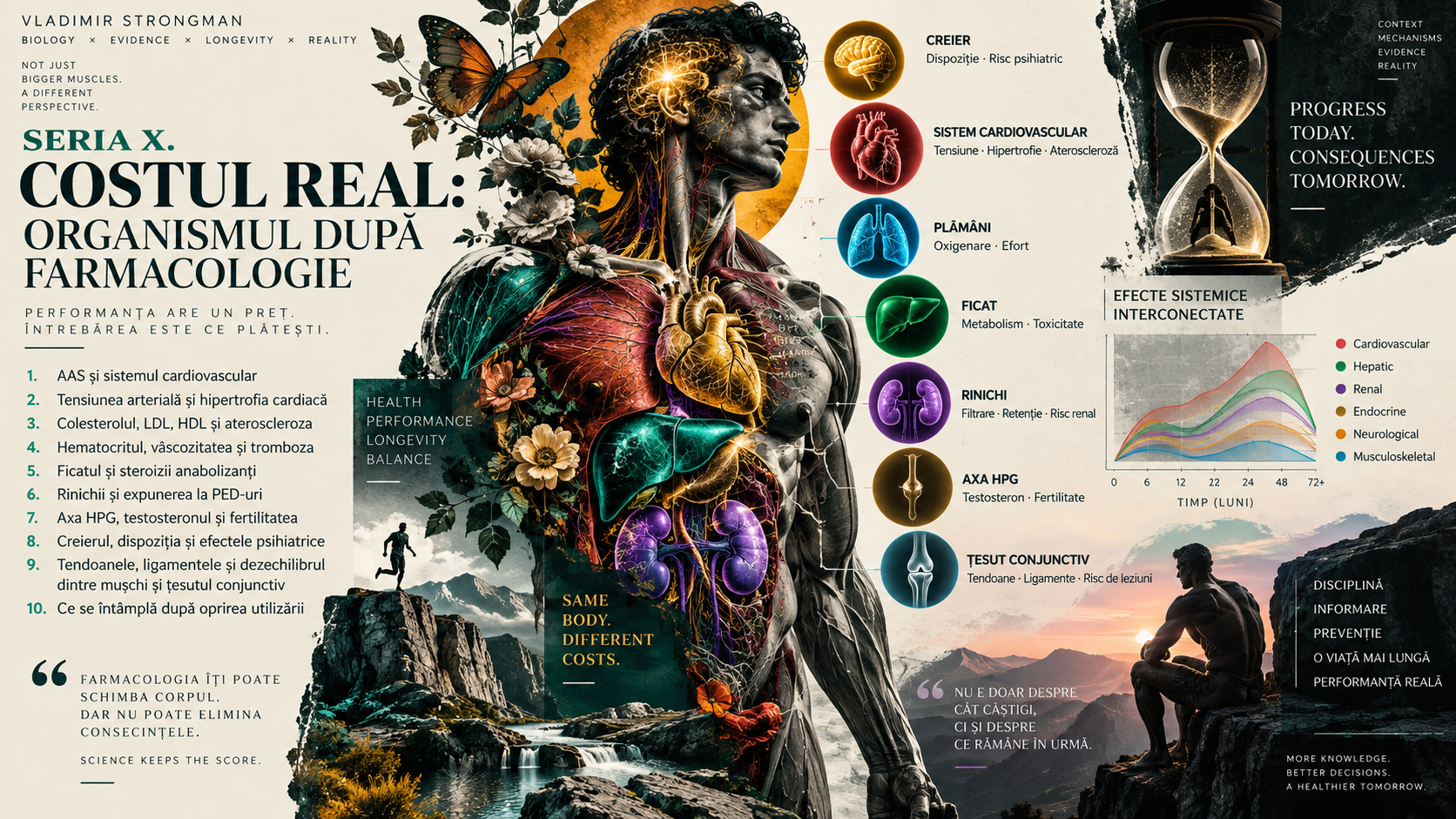
The hypothalamic-pituitary-gonadal axis, or HPG axis, coordinates testosterone production and spermatogenesis. When testosterone or other androgens are supplied from outside the body, the natural signalling between brain, pituitary and testes can be suppressed.
A high serum testosterone level does not automatically mean fertility is preserved. Hormonal feedback can reduce GnRH, LH and FSH, lower intratesticular testosterone and impair sperm production.
This episode follows the physiology from the hypothalamus to semen analysis and explains why recovery after exogenous androgen exposure is variable and should not be judged by symptoms alone.
1. The HPG axis is the command system for male reproductive function
The hypothalamus, pituitary and testes form a continuously regulated hormonal circuit. The hypothalamus initiates the signal, the pituitary converts it into gonadotropins, and the testes produce androgens and sperm.
2. The hypothalamus starts the signal with GnRH
GnRH is released in pulses, and this rhythm is essential for normal pituitary function. Strong androgenic and estrogenic feedback can reduce this signal.
3. The pituitary converts GnRH into LH and FSH
LH and FSH are the main pituitary signals sent to the testes. LH stimulates Leydig cells, while FSH supports Sertoli cells and spermatogenesis.
4. LH and Leydig cells
Leydig cells produce testosterone inside the testes under LH stimulation. This local testosterone is important for spermatogenesis and is not equivalent to the serum testosterone concentration.
5. FSH and Sertoli cells
Sertoli cells support developing germ cells and produce inhibin B. FSH provides one of the key signals needed for this activity.
6. Intratesticular testosterone is not the same as serum testosterone
Sperm production depends heavily on testosterone concentrations inside the testes. Exogenous testosterone can keep serum levels high while suppressing LH and local testicular testosterone production.
7. Negative feedback keeps the system balanced
Testosterone and estradiol signal the brain that sufficient sex steroids are present. The hypothalamus and pituitary respond by reducing stimulatory signals.
8. Estradiol also participates in feedback
Some testosterone is aromatized to estradiol, which contributes to feedback regulation. Estradiol also has normal physiological roles in bone, brain and sexual function.
9. AAS do not affect every part of the axis identically
Androgenic compounds differ pharmacologically, but exogenous exposure can suppress gonadotropins. The degree and duration vary between individuals and exposure patterns.
10. Hormonal suppression may precede symptoms
LH and FSH may fall before obvious changes in testicular volume or fertility are noticed. The absence of visible symptoms does not prove normal axis function.
11. Testicular volume partly reflects spermatogenic activity
Seminiferous tubules account for a large part of testicular volume. When gonadotropin signalling and spermatogenesis decline, testicular size may decrease, although size alone cannot define fertility.
12. Spermatogenesis is a slow process
Sperm formation and maturation take many weeks. Hormonal changes therefore do not appear immediately in a semen analysis, and recovery may continue long after exposure changes.
13. Oligozoospermia means a reduced sperm count
Exogenous androgen exposure may reduce sperm concentration without eliminating sperm completely. Severity varies, and fertility cannot be inferred from ejaculation or libido.
14. Azoospermia means no sperm are detected in the ejaculate
In some men, suppression becomes strong enough that sperm are no longer detected. Azoospermia does not automatically mean permanent infertility, but it is an important finding that warrants medical evaluation.
15. Fertility and sexual function are not the same thing
Libido, erections and fertility overlap only partly. A man can have good sexual function and high serum testosterone while spermatogenesis is severely reduced.
16. Normal-looking ejaculate does not guarantee a normal semen analysis
Most seminal fluid comes from the seminal vesicles and prostate, not from sperm cells. An apparently normal ejaculate may contain very few sperm or none at all.
17. Semen analysis is the basic fertility test
Semen analysis assesses volume, concentration, total count, motility and morphology. Results can fluctuate, so repeat testing and clinical context may be necessary.
18. Collection conditions influence semen analysis
Abstinence duration, recent fever and incomplete collection can alter results. Standardized collection conditions improve comparability.
19. Low LH and FSH suggest central suppression
In someone using exogenous hormones, very low LH and FSH are consistent with strong negative feedback. This differs from some forms of primary testicular failure in which gonadotropins may be elevated.
20. Total testosterone can be misleading
Total testosterone describes circulating hormone, not the axis's ability to produce it independently. A high value can coexist with near-complete suppression of endogenous production.
21. SHBG changes the relationship between total and free testosterone
SHBG can be influenced by androgens, liver function, thyroid status, obesity and other factors. Total testosterone therefore does not always reflect the biologically available fraction.
22. Inhibin B provides information about Sertoli cell function
Inhibin B is produced mainly by Sertoli cells and participates in feedback on FSH. In selected settings it can add information, but it does not replace semen analysis.
23. Prolactin can influence the HPG axis
Elevated prolactin can reduce GnRH signalling and contribute to hypogonadism. An abnormal value should be interpreted clinically rather than treated in isolation.
24. Estradiol that is too low can also be problematic
Estradiol has normal roles in bone, libido, brain and sexual function. Excessive suppression can create new problems and is not a universal fertility strategy.
25. Exogenous testosterone has been studied for male contraception
The mechanism is suppression of LH, FSH and spermatogenesis. Responses are not identical in all men, so AAS exposure should not be considered reliable contraception.
26. Fertility can persist even with a poor semen analysis
A reduced sperm count does not mean zero pregnancy risk. Values below reference ranges may still be compatible with conception.
27. Duration of exposure matters
An axis suppressed for longer periods may recover more slowly and unpredictably. Duration alone, however, cannot perfectly predict an individual's outcome.
28. Cumulative exposure matters more than one isolated episode
Repeated exposure and incomplete recovery intervals can keep gonadotropins low for prolonged periods. A multi-year history is often more informative than one isolated period.
29. Age changes the reproductive context
Semen quality and endocrine reserve can change with age. Exposure that begins early may become reproductively relevant years later when family plans change.
30. Fertility before AAS exposure may be unknown
Without a baseline semen analysis it may be impossible to know which problems were already present. Varicocele, genetics, infections and other causes can coexist with hormonal exposure.
31. Varicocele is a separate factor
Varicocele can affect testicular temperature and semen quality independently of AAS. When both are present, their effects may overlap.
32. Testicular temperature influences spermatogenesis
The testes function best below core body temperature. Fever and repeated heat exposure can temporarily alter sperm production and quality.
33. Obesity can worsen axis dysfunction
Adipose tissue influences aromatization, inflammation and hormonal metabolism. Obesity can be associated with lower testosterone and reduced fertility even without exogenous androgen exposure.
34. Sleep apnea can complicate the endocrine picture
Fragmented sleep and repeated hypoxia affect metabolic and endocrine health. In very large strength athletes, obstructive sleep apnea can add stress on top of HPG suppression.
35. Smoking can affect fertility
Smoking is associated with oxidative stress and changes in several semen parameters. Additional risk factors matter more when reproductive function is already vulnerable.
36. Alcohol and other substances can alter the picture
Heavy alcohol use and some recreational drugs can affect the endocrine axis and semen quality. A complete exposure history is essential.
37. Fever and infections can temporarily affect semen analysis
A significant febrile illness may temporarily reduce sperm count and motility. The effect can appear weeks later because spermatogenesis is slow.
38. Extreme energy stress can affect the axis
Severe calorie deficits, poor sleep and physiological stress can alter reproductive signalling. In sport, these stresses can add to pharmacological suppression.
39. Performance can remain good while fertility declines
Strength, muscle mass and subjective wellbeing can remain excellent while LH, FSH and spermatogenesis are profoundly reduced. Athletic performance is not a fertility biomarker.
40. Libido is not a semen analysis
Libido is influenced by androgens, estradiol, dopamine, sleep and psychological factors. High libido does not reliably indicate sperm concentration or motility.
41. Erectile dysfunction and infertility are not synonyms
Erectile problems may have vascular, endocrine, psychological or medication-related causes. They do not automatically prove infertility, and infertility does not necessarily imply erectile dysfunction.
42. Recovery of the axis has no universal clock
After exogenous exposure stops, GnRH, LH and FSH may recover gradually, but the pace varies widely. Fixed promises that everyone normalizes within a specific number of weeks are too simplistic.
43. Testosterone and semen parameters may recover at different rates
Serum testosterone may improve before spermatogenesis returns. Sperm production has its own biological timeline and depends on restoration of the intratesticular environment.
44. Azoospermia after AAS exposure may be reversible, but should not be trivialized
In many cases spermatogenesis can return after exposure ends, but the time required varies. Persistent azoospermia warrants specialist evaluation.
45. Reproductive history matters
A previous pregnancy demonstrates fertility at that earlier time, not necessarily now. Conversely, absence of pregnancy does not automatically prove a male-factor problem.
46. Sperm cryopreservation is a planning option
For people who know future fertility matters, sperm banking before prolonged hormonal exposure can be discussed with a specialist. It preserves a reproductive option but does not remove biological risk.
47. Hormonal tests should be interpreted together
Depending on context, evaluation may include total testosterone, SHBG, free or calculated testosterone, LH, FSH, estradiol and prolactin. No single marker describes the whole axis.
48. Semen analysis remains central when the question is fertility
Hormones help explain mechanism, but semen analysis gives direct information about sperm production. It cannot be replaced by testosterone or LH when fertility is the main question.
49. Testicular ultrasound has specific indications
Ultrasound can assess volume, varicocele and structural abnormalities. It is used when the history and examination raise specific questions rather than as an automatic test for everyone.
50. Genetics can matter in severe infertility
Persistent azoospermia or severe oligozoospermia may prompt investigation of genetic causes. These may exist independently of AAS exposure and can alter prognosis.
51. No generic “PCT” can guarantee fertility recovery
Fitness culture often presents universal formulas for restarting the axis. In reality, recovery depends on the cause of suppression, exposure history and underlying testicular function, and medical therapies must be individualized.
52. Gonadotropins have medical uses, not a universal recipe
Medications with LH-like or FSH activity are used medically in selected forms of hypogonadism and infertility. Choice depends on diagnosis and reproductive goals and requires supervision.
53. SERMs alter feedback but require an indication
Some medicines can increase gonadotropins by changing estrogen feedback in selected clinical settings. Response varies, and empirical use cannot replace endocrine or andrology assessment.
54. Aromatase inhibitors are not a universal fertility treatment
Reducing aromatization may have a role in selected cases, but excessive estradiol suppression can create other problems. Fertility cannot be reduced to one hormone ratio.
55. Red flags deserve medical assessment
Testicular pain, a palpable mass, marked loss of testicular volume, persistent infertility or important endocrine symptoms should be evaluated. Not every reproductive problem in an AAS user is caused by AAS.
56. Family planning is best discussed before, not after
If future children matter, the most useful time to discuss fertility is before prolonged hormonal exposure. Baseline data can become extremely valuable later.
57. Strongman adds stress, not endocrine protection
Large body mass, difficult sleep, travel, competition stress and pharmacological exposure can coexist. Being strong and functional does not protect an athlete from HPG suppression.
58. Fertility is a long-term function
The goals of one competitive season may conflict with reproductive plans years later. The HPG axis does not follow the competition calendar.
59. Longitudinal monitoring is more useful than one snapshot
Comparing symptoms, hormones and semen analyses over time can show the real direction of recovery. One result is a snapshot; fertility is dynamic.
60. Conclusion: serum testosterone is not the whole story
For fertility, the key question is not only how much testosterone circulates, but whether the hypothalamus, pituitary, Leydig cells, Sertoli cells and seminiferous tubules function together. AAS can create a strong androgenic environment in blood while suppressing the signals needed for normal sperm production.
The overall picture is only paradoxical at first glance: exogenous hormones can support androgenic effects and performance while the axis that normally produces these hormones is strongly suppressed. Fertility depends on that local reproductive physiology.
The most useful picture comes from combining exposure history with LH, FSH, testosterone, SHBG and semen analysis. Libido, ejaculate volume and total testosterone alone cannot confirm fertility.
Recovery is often possible, but timing varies and spermatogenesis may lag behind serum hormone recovery. Persistent problems justify specialist evaluation and a search for additional causes.
Fertility should not become important only when someone decides to have children. Planning, baseline data and early medical discussion provide far more clarity than reconstructing years of exposure retrospectively.
Within The Real Cost series, the HPG axis shows the difference between desired effect and physiological cost: more androgenic signalling outside the testes does not mean more reproductive function inside them.
Sources and reference framework
1. World Health Organization. WHO Laboratory Manual for the Examination and Processing of Human Semen, 6th edition. Geneva: WHO, 2021.
2. American Urological Association / American Society for Reproductive Medicine. Male Infertility Guideline.
3. Endocrine Society. Testosterone Therapy in Men With Hypogonadism: Clinical Practice Guideline.
4. Handelsman DJ. Literature on androgen physiology, pharmacology and suppression of the hypothalamic-pituitary-testicular axis.
5. McBride JA, Coward RM. Recovery of spermatogenesis following testosterone replacement therapy or anabolic-androgenic steroid use. Asian Journal of Andrology.
6. Rahnema CD et al. Anabolic steroid-induced hypogonadism: diagnosis and treatment. Fertility and Sterility.
7. Male hormonal contraception studies examining gonadotropin suppression and spermatogenesis during exogenous androgen exposure.
8. European Association of Urology. Guidelines on Sexual and Reproductive Health, male infertility sections.
9. Reviews of intratesticular testosterone, LH/FSH signalling, Sertoli cell function and human spermatogenesis.
10. Clinical literature on anabolic-androgenic steroid exposure, azoospermia, oligozoospermia and recovery of male reproductive function.
Editorial note: this material is educational and does not provide dosing schedules or self-treatment protocols. Infertility, HPG-axis suppression and endocrine symptoms require individualized assessment by endocrinology, urology or andrology.
More From The Journal

Training
The Science of Strongman Training - Episode X: Competition Programming
How to build a complete Strongman competition preparation block: calendar, events, volume, intensity, specificity, simulations, autoregulation, tapering and fatigue management.

Training
The Science of Strongman Training - Episode IX: Peaking
Peaking in Strongman: how to turn months of training into maximal competition performance by reducing fatigue, preserving adaptations and managing specificity.