
Sports Medicine
Series: STRONGMAN INJURIES: FROM TRAUMA TO RETURNING TO COMPETITION - Episode 7: Chronic Pain and Nervous System Sensitization
October 12, 2026
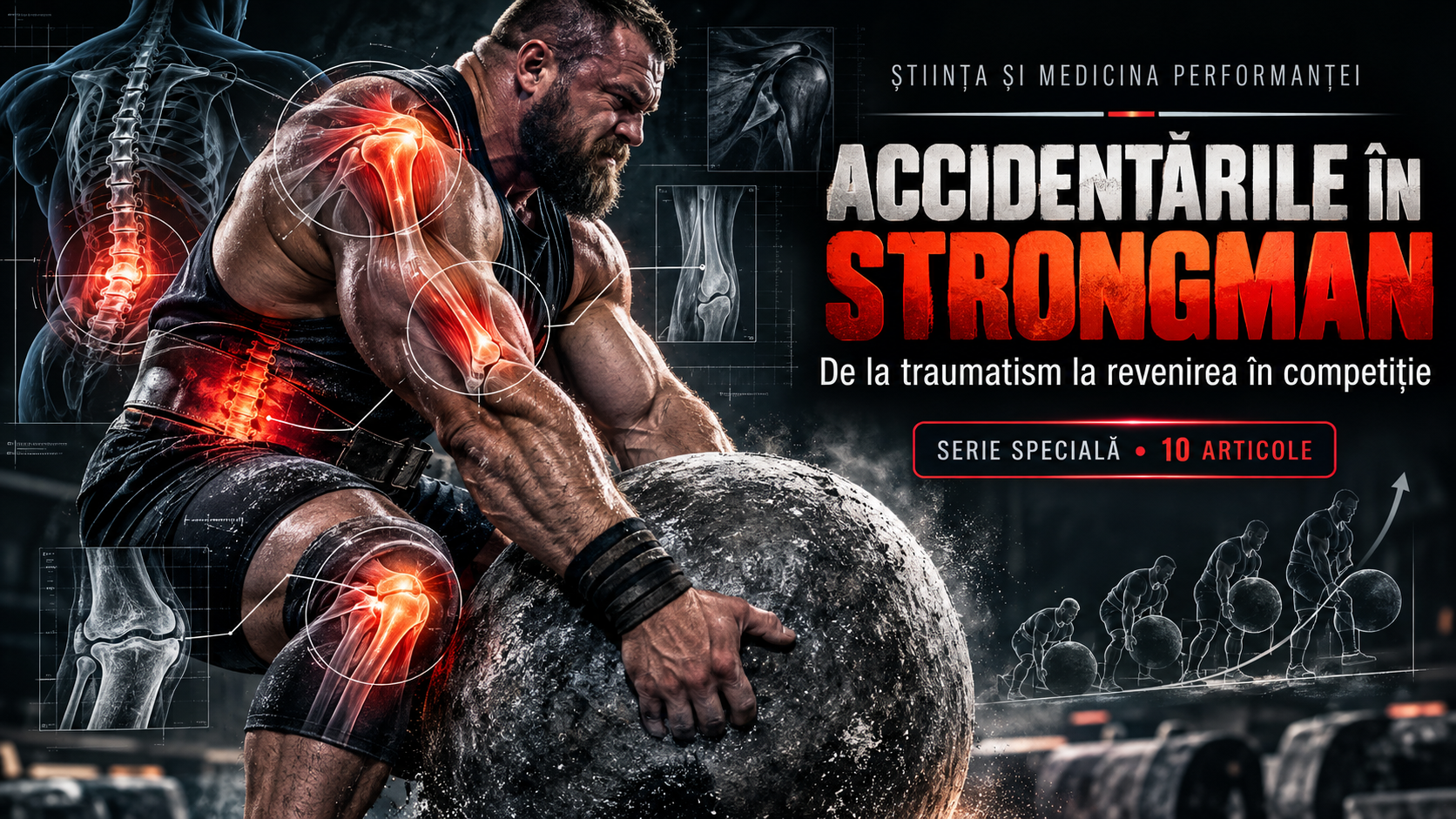
Pain occupies an unusual place in strongman. In a sport where competitors pull vehicles, press enormous metal logs, and carry frames weighing hundreds of kilograms, discomfort can become so familiar that it is treated as part of the job. Yet there is a fundamental difference between the demanding sensations of a maximal effort, temporary post-exercise soreness, and pain that persists for months, interrupts sleep, changes technique, and begins to control an athlete's decisions. One competitor may keep lifting extraordinary weights despite substantial chronic pain. Another may have minor imaging findings yet avoid a movement altogether through fear of severe damage. Both experiences are real, and neither can be understood solely by looking at the kilograms on the bar.
This seventh episode of “Strongman Injuries: From Trauma to Returning to Competition” examines chronic pain and nervous-system sensitization without falling into two common traps: reducing the entire experience to damaged tissues or interpreting every persistent symptom as exclusively psychological. We will explain nociception, the experience of pain, the differences between nociceptive, neuropathic and nociplastic pain, and why central sensitization cannot be diagnosed from one question. Deadlifts, yoke carries, farmers walks, atlas stones, log presses, and loading medleys will provide the sporting context. Load management, sleep, fear of movement, education, psychological interventions, and competitive return will receive equal attention.
The subject is not peripheral to sports medicine. Chronic pain can change how an athlete trains, recovers, works, and participates in social life. It may follow a known structural injury or develop without a single identifiable traumatic event. Persistence does not automatically prove ongoing tissue damage, and pain intensity is not a direct measurement of the degree of structural injury. Yet this observation is not permission to ignore medical investigations, neurological signs, or inflammatory and traumatic disease. Responsible clinical reasoning must hold two truths simultaneously: pain is genuine and complex, and some presentations require identification and treatment of a specific disease or injury.
In a retrospective investigation involving 213 strongman athletes, Winwood and colleagues documented a considerable burden of injuries that modified training or competition during a twelve-month period [1]. The study was not designed to measure nociplastic pain prevalence or identify how many athletes had central sensitization. That methodological distinction matters: data about injuries and missed sessions cannot automatically be converted into statistics about neurophysiological mechanisms of chronic pain. Prospective strongman-specific research following symptoms across several competitive seasons remains scarce. We must therefore use evidence from pain medicine, musculoskeletal rehabilitation, and other sports, while explaining the limits of applying those findings to extreme strength events.
What pain is: the modern definition and the mistake of equating it with injury
The International Association for the Study of Pain, or IASP, revised its definition in 2020. Pain is described as an unpleasant sensory and emotional experience associated with, or resembling that associated with, actual or potential tissue damage [2]. This apparently abstract wording has important practical consequences. It does not say pain is imaginary when investigations are normal. Rather, the experience cannot be equated mechanically with a single signal travelling from a tendon, disc, or muscle. It emerges from interacting nervous-system processes and is influenced by context, learning, and the state of the organism. The lesson for an athlete is not to disregard the body, but to interpret pain rather than automatically translate its intensity into millimetres of torn tissue.
IASP emphasises that pain and nociception are different phenomena. Nociception refers to the neural detection and processing of potentially harmful stimuli; pain is the personal experience. Activation of nociceptive pathways does not invariably result in conscious pain, and pain can persist when peripheral input does not fully explain the distribution or intensity of symptoms. These principles do not deny tissue injury. A tendon rupture, fracture, or infection may provide clinically decisive peripheral information. They do explain why an athlete may still experience pain after the initial tissue-repair process and why two athletes with similar imaging findings may have very different symptoms.
Another IASP explanatory note states that a person's report of pain should be respected [2]. In sports where tolerance of discomfort is celebrated, this has practical and ethical importance. An athlete should not be humiliated for describing symptoms or accused of inventing pain simply because they managed a personal record the previous day. Equally, taking pain seriously does not mean agreeing automatically with every proposed explanation for its cause. A clinician may truthfully say both “I believe you are in pain” and “we have not demonstrated a new tear.” That distinction makes careful assessment possible without stigma or an improvised diagnosis.
Pain sometimes serves a protective purpose: it encourages people to stop dangerous exertion, move away from a harmful position, or seek help. Yet it is an imperfect alarm. Serious disorders may initially cause relatively little pain, while uncomplicated episodes can feel severe. With persistent pain, the response may become amplified or disproportionate to some features of the tissue condition, without eliminating every possible peripheral contribution. That complexity demands precision, not an oversimplified metaphor in which the “alarm is broken” and everything is therefore safe. Nervous systems adapt, but new pathology can still occur in people already living with chronic pain.
Strongman athletes may make opposite mistakes when interpreting pain as injury. A competitor who assumes every sharp sensation means a disc is disintegrating may avoid useful movements, lose conditioning, and anticipate disaster. Another who concludes that pain never indicates structural damage may keep performing maximal attempts after an acute rupture or in the presence of a progressive neurological deficit. Both extremes disregard clinical context. Pain education should improve the ability to distinguish different situations rather than teach that all symptoms are harmless or all exertion must be avoided.
Good medical language also avoids confusing the influence of psychology on pain with a claim that pain is psychogenic. Emotions, memory, attention, and expectation are biological processes influencing nervous-system activity; they do not prove exaggeration or malingering. Equally, they cannot explain every symptom. New weakness after a traumatic shoulder injury warrants assessment of local structures even when the athlete is anxious. Contemporary pain models offer a framework for considering multiple influences, not an excuse to skip the physical examination.
Acute, subacute, and chronic pain: time alone does not identify the mechanism
The ICD-11 international classification defines chronic pain as pain that persists or recurs for more than three months [3]. This threshold helps with classification and research, but it is not a biological switch. Pain does not suddenly become “central” on day ninety-one, just as pain lasting four weeks is not necessarily explained solely by tissue injury. Mechanisms contributing to persistence may emerge earlier, while recovery may continue long after the calendar threshold. An athlete may also experience repeated episodes separated by symptom-free periods, making the idea of a single continuous path from injury to healing misleading.
ICD-11 distinguishes chronic primary pain, which can be considered a health condition in its own right when associated with important distress or disability and not better explained by another disorder, from chronic secondary pain associated with an identifiable disease or condition [3,4]. In practice, the distinction requires medical evaluation and cannot be selected solely from symptom duration. Persistent pain after nerve injury may involve mechanisms different from non-specific primary low-back pain. An athlete with inflammatory arthritis must not automatically be classified as having primary pain merely because symptoms have lasted for more than three months. Diagnostic categories should guide care and reporting, not become fixed identities imposed on a patient.
Post-traumatic and postsurgical pain may persist beyond expected healing periods. Possible contributors include nerve damage, problems involving the operated structures, local inflammation, loss of conditioning, and altered pain processing. A sensitive surgical scar does not automatically prove central sensitization, just as a well-healed scar does not guarantee the absence of pain. Diagnosis requires attention to the injury, the procedure, neurological symptoms, function, and progression. In strength sports, the additional challenge is determining whether the repaired structure and the athlete's conditioning are prepared for demands far beyond those encountered in ordinary daily life.
Persistent pain also needs to be distinguished from new pain arising in someone who already has a chronic condition. A competitor may have experienced a year of lumbar sensitivity, then suffer a fall associated with much more intense pain, new leg weakness, or bladder changes. The new symptoms cannot automatically be attributed to the previous chronic pain diagnosis. The principle applies equally to the knee, shoulder, and upper limbs. A pre-existing condition does not provide immunity from new injuries. Clinicians should identify changes in character, distribution, and function rather than simply repeat a label from an earlier consultation.
During the weeks following injury, progress can be irregular. Two good days followed by one difficult day do not necessarily indicate a fresh rupture. Persistent functional deterioration, neurological loss, or systemic warning signs, however, require reassessment. Presenting recovery as an uninterrupted upward trajectory creates unrealistic expectations and can reinforce fear. It would be equally wrong to promise that all symptoms inevitably disappear if someone simply keeps trying. Some conditions require specialist treatment, while in others the realistic aim may be reducing pain's impact on life and sport rather than immediately abolishing every sensation.
Three mechanisms: nociceptive, neuropathic, and nociplastic pain
Nociceptive pain arises through activation of nociceptors in response to actual or threatened damage to non-neural tissue, with the somatosensory system otherwise functioning. Many symptoms related to trauma, inflammation, and local musculoskeletal loading fall within this category. Nevertheless, nociceptive input does not allow precise calculation of the resulting pain experience. Athletes with similar injuries may report different levels of pain, and symptom progression can be influenced by other factors. Nociceptive pain does not mean every painful movement creates a new injury. It means peripheral detection of potentially harmful stimuli has a relevant role in the presentation.
Neuropathic pain is caused by a lesion or disease of the somatosensory nervous system. It may include burning sensations, electric-shock-like pain, tingling, numbness, or other features, but these descriptions alone do not prove the diagnosis. Examination considers symptom distribution, sensation, strength, reflexes, and additional investigations when indicated. A competitor with leg pain after deadlifting might have a nerve-root problem or another source of referred pain. It is not acceptable to call every radiating pain a “trapped nerve” or assume all neuropathic pain will improve through abdominal exercises.
Nociplastic pain is an IASP term for pain arising from altered nociception without clear evidence of actual or threatened tissue damage sufficiently activating peripheral nociceptors, or a somatosensory disease or lesion fully explaining the pain [5]. It does not mean peripheral structures are irrelevant or that normal imaging proves nociplasticity. Clinical criteria and a grading system have been proposed for chronic musculoskeletal nociplastic pain, considering distribution, duration, evoked hypersensitivity, and associated features [5]. Applying them requires careful assessment and represents a clinical inference, not direct measurement of one brain circuit or biochemical marker.
Mechanisms often overlap. An athlete with a partially recovered knee injury may have relevant peripheral nociception, amplified nervous-system responses, and anxiety about sporting uncertainty. Someone with neuropathic pain may also display central sensitization. These categories are not sealed compartments, and a diagnosis should reflect plausible contributors rather than force a single explanation. This matters for treatment: exercise, condition-specific medication, psychological support, or surgery may be appropriate in different combinations depending on the individual.
There is a danger that “nociplastic” will become a convenient label whenever investigations fail to show what a clinician expects. That would be mistaken. Absence of a major MRI abnormality does not confirm a nociplastic mechanism, and a visible disc change does not exclude a mixed presentation. Clinical criteria and examination are intended to prevent precisely these shortcuts. Particularly in a sport where a competitor may simultaneously report symptoms in the shoulder, hip, back, and elbow, clinicians must distinguish local loading, systemic conditions, and pain-processing characteristics without claiming every symptom originates “in the brain.”
Central sensitization: a physiological phenomenon, not a universal diagnosis
Central sensitization describes increased responsiveness of nociceptive neurons within the central nervous system to normal or subthreshold input, involving changes in excitability and synaptic efficacy [6]. In experimental research, it can contribute to enhanced pain sensitivity, allodynia, hyperalgesia, and related phenomena. It would be inaccurate, however, to present it as the automatic explanation for any athlete's persistent pain. Neurophysiological mechanisms demonstrated under controlled conditions do not always translate into a certain diagnosis in a particular individual. Clinical information must be integrated with history, physical examination, and alternative explanations.
Allodynia refers to pain caused by a stimulus that does not ordinarily provoke pain, such as light contact under certain circumstances. Hyperalgesia means an increased pain response to a stimulus that is normally painful. These features occur in different clinical settings and do not independently establish a complete diagnosis. In a strongman gym, a competitor might discover that the pressure of a knee sleeve has become intolerable or that touching a sensitive region causes unusually intense discomfort. Such observations deserve clinical attention, but local dermatological, neurological, and inflammatory explanations may also require consideration.
Peripheral sensitization differs from central sensitization. Around inflamed or injured tissue, sensory endings can become more responsive through local biochemical processes. Central sensitization involves adaptations of neural circuits in the spinal cord and brain that process nociceptive information. Both levels may interact and coexist. Saying a painful tendon is “sending too many signals” can sometimes serve as a shorthand, but the complete picture is more complex. Sensitivity reflects potential interactions between peripheral input, central modulation, previous experiences, prediction, and the organism's current condition.
One experimental phenomenon is temporal summation: repeated similar stimuli can produce a growing perception of pain. Another is conditioned pain modulation, explored in research to investigate aspects of descending pain regulation. Such tests may reveal group differences, but they must not be treated like blood tests that prove central sensitization in every athlete. Methods, equipment, psychological context, and experimental conditions affect results. Moreover, findings from an experimental measure do not replace the clinical search for tissue injury or an underlying disease.
Questionnaires describing symptoms often associated with sensitization can help characterise the patient's experience and guide further assessment. Yet a high score does not prove a specific biological mechanism. Fatigue, poor sleep, and difficulties concentrating are non-specific and may occur in many conditions. If a competitor training late at night with inadequate sleep scores highly, central pain-processing pathology cannot be declared automatically. Screening begins a conversation; it does not replace diagnosis. Confusing the two can misdirect treatment.
Central sensitization and nociplastic pain are related but not interchangeable. The first describes a neurophysiological mechanism; the second is a clinical pain descriptor supported by proposed criteria. An underlying mechanism may contribute to more than one pain phenotype, and a nociplastic classification does not itself prove that a particular neuron changed its excitability. Understanding these limits is as important as knowing the definitions. Precision prevents a promising scientific concept from becoming a universal explanation for everything clinicians find difficult.
Why persistent pain can change without new structural damage
During the first days after trauma, pain may coincide with inflammation, swelling, restricted movement, and altered muscular control. As tissues recover, symptoms often decline, but the course is not invariably linear. If an athlete stops using a body region for an extended period, deconditioning, reduced confidence, and increased sensitivity to previously ordinary movements may emerge. This does not make pain imaginary. It illustrates an interaction between symptoms, adaptation to effort, and movement behaviour.
Pain can become easier to evoke during activities that the athlete associates with a traumatic event. If a deadlift attempt ended in a severe injury, returning to the same starting position may provoke tension and anticipation of pain. These responses make sense as protective learning processes, but they do not prove that structural pathology is absent. A useful intervention does not insist that memory of the accident is the only problem. It can help create progressive, appropriately safe experiences of movement after relevant contraindications have been assessed.
The brain and spinal cord are not a simple amplifier controlled by a single dial. Attention, expectation, learning, emotion regulation, and descending modulation contribute to pain, but their relative influence varies. No credible clinical model can determine from a video which proportion of someone's pain is “in the brain” and which is “in the tendon.” Such a division would be misleading because neural processing is involved in every painful experience. A better explanation considers the system as a whole and identifies practical treatment opportunities without pretending to measure what is not directly measurable.
Sometimes pain persists precisely because a peripheral source remains active. A compressed nerve, inflamed joint, bone stress injury, or systemic disease must not be ignored just because pain has lasted six months. Chronic pain classification does not eliminate the need for differential diagnosis. New symptoms, objective weakness, inflammatory findings, or unexplained deterioration require renewed assessment, even if the athlete previously received education about sensitization. Avoiding unnecessary investigation means using tests when they could influence care, not refusing all testing to someone with persistent symptoms.
People with long-standing pain may experience flare-ups without demonstrable new injuries. A weekend containing heavy carries, inadequate sleep, and travel might be followed by increased symptoms, while another competitor tolerates the same schedule. This does not establish a single cause, but it suggests responses to loading depend on the athlete's current state. Clinical assessment can examine flare-up duration, functional changes, and associated symptoms. Recording a two-point rise in pain after training is not enough to conclude that another tear occurred.
Return to sport therefore involves more than rebuilding raw strength. It may also require restoring tolerance of movement, normal variations in training, and situations that previously triggered fear. Some people improve through education and graded exercise; others need treatment for a specific pain source, psychological care, or a coordinated multidisciplinary approach. Physical medicine and mental health should not be forced into competition as though they offered mutually exclusive explanations. Integrated care can be more appropriate for chronic pain than attempts to make a single discipline explain everything.
Strongman as a loading environment: pain beyond the dramatic incident
A strongman athlete is not exposed to one form of exertion. In the same training block, deadlifts may target intensity, squats may develop volume, yoke carries may focus on speed, and atlas stones may be practised for technique. Each event loads the body through distinct combinations of posture, contraction, duration, and stabilisation. Persistent low-back pain may increase after heavy loading without proving that a new disc herniation has occurred; shoulder pain may rise during log pressing without a tendon tearing on every repetition. New symptoms following trauma, however, still deserve appropriate clinical investigation. Differentiating mechanical demand, symptom response, and structural injury is the foundation of responsible programming.
Yoke carries require the athlete to support a massive load while responding to the frame's oscillations. Farmers walks combine acceleration and stability with demands imposed by grip and the movement of implements relative to the torso. These characteristics may influence tolerance in an athlete with persistent pain, but there is no sufficiently strong evidence that sensitization occurs more frequently after yoke than after deadlifting. If someone tolerates static lifting but experiences symptoms during fast carries, relevant differences may include duration, movement disturbance, position, and anticipation rather than new tissue damage. These hypotheses guide training adjustments; they do not establish a diagnosis.
Atlas stones and sandbags change force transmission because their shapes differ from a barbell. A large stone may require unusual hip-flexion positions, while the transition from lap to loading changes task requirements quickly. In a person with persistent pain, familiarity and movement predictability may influence the response alongside mechanical loading. This does not mean fear of the stone is necessarily causing the pain. It means assessment should consider both the actual demand and how the athlete anticipates and controls the event. A progression may begin with familiar, predictable movements before adding complexity.
Log presses and giant dumbbells illustrate the same need for diagnostic precision. Persistent shoulder symptoms may relate to tendon disease, joint disorders, referred cervical pain, or changed sensitivity. A competitor might tolerate strict barbell pressing but experience pain with a log because the rack position and trajectory differ. Concluding automatically that “the nervous system remembered the pain” would be as crude as insisting that the tendon must have completely ruptured. Assessment considers anatomy, range of motion, force, neurological symptoms, and history before determining exercise modifications and whether educational or psychological interventions are relevant.
During loading medleys, fatigue accumulates as tasks and movement patterns change. Under time pressure, competitors may ignore a symptom they would normally consider important. Sometimes this choice has no structural consequences. At other times, continuing through acute injury may worsen a problem. Persistent pain should not become universal permission to push harder, while ordinary exertional discomfort should not automatically be treated as a medical emergency. Coaches and clinicians can help athletes agree on stopping criteria before a contest, rather than improvising diagnoses at the peak of adrenaline.
These examples also illustrate research limitations. Clinical literature on back, shoulder, and knee pain offers useful principles but rarely involves experienced strongman athletes handling extreme loads. Strategies studied in other populations may inform assessment and rehabilitation, yet do not automatically validate a yoke distance, a percentage of a deadlift record, or a number of stone repetitions. Scientific communication in strongman means making good use of available evidence while respecting its boundaries, especially when pain persists and a definitive explanation feels appealing.
Invisible suffering: athletes who still perform but pay for it afterwards
A competitor may say training is going well because heavy lifts remain possible, while life outside the gym tells a different story. Getting out of a chair may take considerable effort; ordinary household tasks may be avoided; sleep positions may be determined by pain. This discrepancy is not proof of exaggeration. Short-term performance can be influenced by motivation, arousal, compensation, and context, while consequences may appear later. Chronic pain assessment should ask not only how much an athlete can lift, but also what functional cost that effort produces over the following twenty-four hours.
The opposite situation also occurs. A competitor avoids a particular event through fear of reinjury even when medical examination identifies no structural contraindication to supervised progression. Reduced confidence is not arbitrary. It may follow genuine trauma or frightening messages about the body. Statements such as “your back is destroyed” or “your knee is finished” can shape expectations long after a consultation. Correcting them does not require denying an earlier injury. It means communicating what is known, what remains uncertain, and which abilities can be rebuilt.
Athletes may feel pressure to conceal pain from fellow competitors. In environments where respect comes from performance and the ability to continue under exertion, disclosing symptoms can feel like admitting weakness. Yet unreported pain does not disappear from the programme: it may change technique, loading tolerance, and recovery. A narrative review on pain among elite athletes emphasised the need to integrate neurophysiological, biomechanical, and psychosocial influences and distinguished pain management from the rehabilitation of tissue injury alone [7]. The lesson is not that every athlete has a psychological disorder, but that performance and suffering can coexist.
Family life, employment, and other commitments also matter. An athlete may work full-time, travel regularly, and spend long hours training late in the day. Pain that disrupts sleep, attention, or mood affects more than competition. It can reshape relationships and a person's sense of competence. Assessments asking only “how painful is your deadlift?” miss this dimension. Improving sleep or social participation may be legitimate early treatment goals before a maximal lift returns. These priorities are not inferior to athletic performance; they are components of health.
Some athletes identify strongly with a particular record or weight class. When pain limits performance, they may experience it as a threat to personal worth rather than merely a training interruption. A systematic review of elite athletes' accounts of injury indicates that injury can carry substantial meaning for career and identity [8]. This does not demonstrate that anxiety causes pain. It explains why rehabilitation may sometimes need to address the personal significance of lost sporting opportunity, not only joint range of motion.
Public commitments can complicate the decision to stop. Someone who announced a record, received financial support, or travelled internationally for competition may fear disappointing others. Before an important event, the athlete, coach, and relevant clinician can define symptoms that permit modified participation and those requiring withdrawal. Such criteria do not remove emotion, but they provide a framework when the desire to “save the contest” is strongest. Courage should not be measured by willingness to disregard new neurological loss or acute trauma.
Clinical assessment: history, function, and differential diagnosis
Assessing persistent pain begins with listening, but it cannot end there. Clinicians need to know when symptoms began, whether trauma occurred, where pain is located, and how it evolved. Radiation, numbness, burning, weakness, aggravating and relieving factors, sleep, general health, and medical history matter. Training history also contributes: did volume, frequency, or implements change; were competitions clustered; did previous episodes occur? These details may reveal patterns of exposure, but they cannot establish by themselves that a particular exercise caused a particular disorder.
The examination may include range of motion, strength, sensation, reflexes, joint evaluation, muscular function, and condition-specific tests. Diffuse pain should not automatically trigger a diagnosis of sensitization when objective weakness, unexplained swelling, or inflammatory symptoms are present. Some presentations warrant laboratory tests, imaging, or specialist referral, while routine tests in others may add little and create confusion. The WHO guideline for chronic primary low-back pain emphasises thorough assessment and referral when underlying pathology is suspected [9]. This principle remains important even for highly experienced athletes.
There is no universal “central sensitization test” capable of providing a final verdict in every clinic. Proposed criteria for chronic nociplastic musculoskeletal pain consider duration beyond three months, regional or widespread pain, evoked hypersensitivity, and associated features [5]. Yet these findings may accompany other mechanisms, and screening scores have limitations. The label should not be used to terminate investigation or imply that “nothing is wrong.” Complex presentations may benefit from collaboration among sports physicians, orthopaedic specialists, neurologists, physiotherapists, and pain clinicians.
Leg tingling accompanying low-back pain during deadlifts may call for neurological assessment and consideration of lumbar disease. Shoulder pain and new weakness after a maximal attempt may require evaluation of rotator-cuff tendons, the biceps tendon, or other structures. Widespread pain across multiple regions can suggest a more complex presentation without excluding inflammatory, neurological, metabolic, or endocrine disorders. No pain mechanism should be presumed merely because an athlete has a long competition history. Good diagnosis begins with the current presentation rather than the reputation of the sport.
Questions about function can be more revealing than a single numerical pain score. Can the competitor walk comfortably, sleep, work, and train? How does the body respond the following day? For competitive goals, useful measures may include warm-up tolerance, submaximal sets, control during turns, and recovery between demanding sessions. These observations complement investigations rather than prove an athlete is uninjured simply because heavy lifting remains possible. Very strong people can compensate for deficits that a focused examination may detect.
Medication and systemic health may influence symptoms, sleep, recovery, and perceived effort. A clinician may need to know about prescribed medication, supplements, and other substances without turning the consultation into a moral interrogation. Some interventions can conceal pain while others introduce health risks independent of the musculoskeletal problem. Blood pressure, metabolic health, and contraindications to exercise may be relevant. It would be wrong to attribute all chronic pain automatically to a substance-use history, but equally wrong to exclude the wider medical context from assessment.
Red flags: when a persistent-pain model is not enough
New problems controlling the bladder or bowels, urinary retention, altered saddle sensation, or severe or progressive neurological weakness require urgent medical evaluation. They can indicate important nervous-system pathology and must not be dismissed as “brain sensitization.” An athlete who has experienced chronic lumbar pain for years is not immune from a new disc injury or another acute condition. When symptom distribution changes abruptly or function deteriorates, the prior chronic-pain diagnosis is not a reason to delay medical care.
Pain accompanied by fever, chills, significant systemic illness, unexplained weight loss, cancer history, or suspected infection requires medical attention. A very warm, swollen, painful joint may have a cause different from overuse. After substantial trauma, inability to bear weight, deformity, or severe focal bone pain can justify assessment for fracture. Although serious causes are less common than uncomplicated musculoskeletal pain, the consequences of overlooking them can be considerable. No theory of chronic pain replaces the obligation to investigate warning signs.
New chest pain, difficulty breathing, or loss of consciousness must not be attributed automatically to muscle soreness or enhanced pain sensitivity. Strength athletes may have post-exercise muscular discomfort, but cardiac, pulmonary, and vascular causes remain possible. These symptoms may require emergency evaluation. Similarly, extreme pain with rapidly worsening swelling in a muscular compartment can indicate a serious complication that cannot be treated through a simple exercise adjustment. Pain education should improve judgement rather than reduce vigilance.
Habitual pain tolerance can obscure warning signs. When a competitor says “this is how I always feel,” the clinician still needs to ask what has changed. Is pain dramatically worse? Has new weakness developed? Are systemic symptoms or sensory changes present? Even when subsequent assessment finds no serious pathology, asking these questions is legitimate. Responsible reassurance follows evaluation rather than replacing it. An explanation of sensitization must not be used as grounds to refuse assessment of newly developing symptoms.
Mental-health emergencies also matter. Severe persistent pain can affect sleep, relationships, and hope for recovery, sometimes contributing to significant psychological distress. If a person expresses thoughts of self-harm or an immediate safety concern, urgent specialist help is warranted. A biopsychosocial approach takes both physical risks and psychological suffering seriously without treating either as less real. Good rehabilitation offers access to appropriate support and does not turn vulnerability into a source of stigma.
Imaging, pain, and the trap of “we found something on the MRI”
Imaging can be decisive when major trauma, significant nerve compression, infection, or another structural disorder is suspected. But abnormalities on MRI should not automatically be considered a sufficient explanation for chronic pain. Brinjikji and colleagues demonstrated in a systematic review that several degenerative spinal findings are common among people without pain and become more prevalent with age [10]. This does not mean disc herniations or degeneration are never relevant. It means imaging must be interpreted alongside symptoms, neurological examination, history, and the question the scan was intended to answer.
A competitor reading “disc protrusion” may interpret it as a permanent prohibition on deadlifting. Someone receiving a normal scan may feel abandoned, believing that nobody takes the pain seriously. Both responses show how important communication is. Clinicians should explain what imaging can demonstrate, which features can occur in asymptomatic people, and why treatment decisions depend on the complete clinical picture. Meaningful structural abnormalities must be taken seriously, while incidental findings should not become life sentences against sport.
For uncomplicated low-back pain, guidelines discourage routine imaging when there are no warning signs or other indications that findings would change management [9,11]. This recommendation must not be applied mechanically to every body region and every clinical situation. Following acute biceps, shoulder, or knee trauma, targeted imaging may change treatment options. In chronic pain, the issue is often testing without a relevant clinical question or overinterpreting abnormalities. Good decision-making recognises both the value and the limits of medical imaging.
An image describes tissue morphology but cannot fully represent pain experience. It cannot reveal how much fear an athlete feels before deadlifting, how poorly they slept, or the functional cost of a training session. Those features also cannot demonstrate that imaging findings are irrelevant. Integrating information is the essence of clinical reasoning. An athlete should ideally leave a consultation knowing which activities are suitable, which symptoms warrant attention, when follow-up is necessary, and which criteria indicate progress.
Fear of movement, catastrophising, and sporting identity
The fear-avoidance model, developed in musculoskeletal pain research, describes a possible pathway in which pain is interpreted as danger, fear of movement develops, and activities are avoided, potentially contributing to deconditioning and lasting disability [12]. It is an explanatory model, not a universal rule. Some people with chronic pain remain extremely active, while others restrict activity for good structural reasons. Immediately avoiding certain movements following a fracture or tear may be protective rather than pathological. Problems can arise when protective behaviour continues beyond what clinical assessment supports or when catastrophic expectations prevent gradual restoration of capacity.
Pain catastrophising refers to patterns of thought involving anticipation of severe consequences, helplessness, or intense preoccupation with symptoms. The term should never be used to ridicule athletes or imply that their pain is invented. Such responses may follow genuine trauma or frightening explanations about spinal or joint anatomy. Psychological interventions may help develop a more useful understanding, but they must not become instruments for blaming the patient. Telling someone to “stop being negative” is not treatment. Communicating realistic risks and supporting appropriately graded movement may be.
Fear can have a particular form in strongman. The athlete may have no difficulty walking or lifting light objects but feel apprehensive about accepting 350 kilograms on the shoulders or accelerating with farmers implements. That fear may be partly justified: very heavy equipment creates genuine demands and risks that are not erased by pain education. Gradual exposure must respect tissue capacity and the psychological context. Useful reassurance does not claim an event is completely safe. It explains which steps have been assessed and how the athlete can reduce uncertainty while progressively preparing for the task.
Some competitors exhibit the opposite of avoidance: persistent overexertion driven by the belief that their value depends on never stopping. They may ignore important symptoms, conceal pain through medication, or continue when technique and function deteriorate. “Whatever I feel, I finish the lift” can appear to protect sporting identity but is not automatically resilience. It may contribute to cycles of excessive loading, flare-ups, and enforced inactivity. The appropriate intervention is not to turn ambitious athletes into fearful individuals. It is to help them develop realistic load-regulation rules.
Relationships with coaches influence how symptoms are reported. A coach who describes every painful experience as weakness may encourage concealment. Another who responds to every minor sensation by stopping all training may unintentionally reinforce uncertainty. Mature communication distinguishes familiar symptoms from new ones, recognises medical warning signs, and adapts goals. Athletes should be able to say “I am in pain today” without fearing loss of respect, while coaches should be able to say “this attempt is not worth the risk” without feeling they are undermining ambition.
A 2026 systematic review of elite athletes reported associations between mental-health symptoms and sports injuries, while highlighting differences between studies and limits on determining the direction of causation [13]. The findings do not establish that anxiety or depression automatically causes injury, nor that every injury produces a psychiatric condition. They support integrated assessment where medical, psychological, and coaching perspectives can be coordinated when appropriate. Strongman-specific data remain inadequate for converting associations observed elsewhere into precise personal risk percentages.
Sleep, stress, fatigue, and pain regulation
Sleep and persistent musculoskeletal pain have a bidirectional relationship: pain can interrupt sleep, while sleep problems can be associated with worsening or persistence of pain. A systematic review and meta-analysis of longitudinal studies identified associations in both directions [14]. This does not imply that an athlete causes pain through insomnia or that improving sleep automatically repairs a herniated disc or neuropathy. It does indicate that sleep deserves to be assessed as a clinical target in its own right rather than an afterthought to sporting preparation. If someone repeatedly wakes because of pain, treatment should address this loss of quality of life.
Long training sessions, travel, and closely spaced competitions can constrain recovery. Someone working during the day and training late at night may sleep less precisely when physical demands rise. A particular lumbar episode cannot be attributed confidently to one short night, but fatigue can influence pain experience, concentration, and tolerance of effort. Programming should acknowledge these limits. Sometimes reducing the volume of a particular event, reorganising sessions, or protecting an adequate sleep opportunity makes more sense than adding endless exercises intended to “strengthen the painful area.”
Stress is not merely a vague psychological label. It may involve occupational demands, financial uncertainty, family issues, interpersonal conflict, or the approach of an important competition. These circumstances may influence attention, sleep, mood, and pain processing. Yet the coincidence between a difficult period and symptom escalation does not prove stress is the sole cause. Chronic pain is multifactorial, and assessment should consider physical conditions as well. Rehabilitation may combine load adjustment and psychological support when useful, without reducing the athlete to emotions or assuming a new injury whenever distress increases.
Fatigue has multiple dimensions: perceived effort, neuromuscular readiness, local recovery, and mental tolerance. No single number fully represents them or predicts next-day pain with certainty. Wellness questionnaires, sleep records, and performance monitoring can provide clues but are not replacements for clinical judgement. Trends may be more useful than a supposed perfect “readiness score”: training tolerance declines, persistent symptoms increase, sleep worsens, and recovery becomes increasingly difficult. Together, these findings may justify adjusting the programme even when each separate problem appears manageable.
Sleep disorders may require specific care. Loud snoring, witnessed breathing pauses, or significant daytime sleepiness can justify assessment for sleep-disordered breathing. It would be mistaken to attribute every night-time problem to pain. Some medications and stimulants may also affect sleep and other aspects of health. For strength athletes, safer recovery begins with realistic assessment of medical risks and routines rather than a collection of supplements recommended casually by training partners.
Sleep should not be turned into a moral test of healing. People with persistent pain may make genuine efforts and still struggle to sleep. Abstract advice such as “just sleep eight hours” can reinforce a feeling of failure. More useful care investigates why sleep is interrupted, considers the environment and routine, and offers appropriate clinical treatment when necessary. The aim is to support recovery and quality of life, not transform hours slept into another compulsory personal record.
Movement and exercise: therapy and adaptation rather than punishment
Exercise is central to managing many forms of chronic musculoskeletal pain, but appropriate activity depends on diagnosis and individual tolerance. A Cochrane review led by Hayden and colleagues found that exercise probably reduces chronic low-back pain compared with no treatment or usual care, while average improvements in functional limitation may be smaller and not everyone responds alike [15]. The result does not demonstrate that maximal deadlifting treats every pain condition. It supports structured activity as a potential component of care when type, dose, and progression are selected appropriately.
Exercise can temporarily change pain sensitivity through a phenomenon known as exercise-induced hypoalgesia. A systematic review investigated this response in healthy people and those with chronic musculoskeletal pain, identifying variation across populations and exertion types [16]. Not every athlete feels less pain after exercise, and some experience an increase. Saying simply that “exercise releases endorphins and solves pain” is inadequate. Any acute analgesic effect does not prove structural healing and does not automatically authorise greater loading.
Rehabilitation may combine tolerable aerobic activity, resistance exercise, mobility work, and modified versions of sport-specific events. There is insufficient evidence that one exercise modality is universally superior for all adults with chronic primary low-back pain, and WHO guidance supports individualisation [9]. For strongman athletes, that flexibility is valuable. Walking or cycling may preserve activity while deadlifts are temporarily modified. Alternatively, a competitor may tolerate an elevated deadlift more comfortably than an exercise traditionally labelled “rehabilitation.” Choice should reflect clinical response, not the prestige or fashionable status of a technique.
Exercise should not become a punitive test of character. An athlete with persistent pain may benefit from graduated loading but should not automatically be forced into the most feared movement immediately. Exposure can develop through tolerable variations towards more complex tasks with clear goals. A temporary symptom increase can be interpreted by examining duration and functional effects; new neurological deficits or signs of serious disease require a change in course. The guiding principle is feedback-based progression, not disregarding all symptoms or abandoning movement at the first discomfort.
General conditioning matters. An athlete who avoids nearly all activity for months may lose cardiovascular capacity, strength, and confidence, even if the initial reduction was justified. Gradual reintroduction can help restore conditioning but must be dosed to avoid repeated cycles of severe symptom escalation. Pacing refers to organising activities so that effort remains more sustainable rather than alternating between excessive work and days of profound limitation. Athletes accustomed to measuring success through maximal output may find this adjustment psychologically difficult, yet it can be central to restoring consistency.
Tolerance of a single heavy repetition is not the same as tolerance of a complete programme. A competitor may perform one submaximal deadlift without important pain and then experience a flare-up affecting sleep and daily function the next day. Another may tolerate repeated moderate sets and recover well despite not being ready for previous maximal loads. This information should shape progression. Rehabilitation cannot be judged only by one day's heaviest lift. Continuity, delayed symptom response, and the ability to repeat sessions are equally relevant.
Pain education and psychotherapy: tools, not total explanations
Education about pain mechanisms can challenge frightening interpretations and support participation in rehabilitation. Athletes may learn that MRI findings do not directly measure pain, sensitivity can change without a fresh rupture, and suitably modified exercise often has a therapeutic role. Education must not become a lecture claiming that every symptom is generated by thoughts. A useful message is individualised, linked to the clinical presentation, and reinforced through appropriate movement experiences. Understanding a theory does not guarantee recovery or remove the need to treat existing structural disease.
A 2024 meta-analysis examined pain-neuroscience education added to exercise for chronic spinal pain and reported improvements in some pain and disability outcomes, although studies were heterogeneous and implementation mattered [17]. These findings do not show that all strongman athletes need a prescribed number of educational hours or that a lecture about nociceptors will independently resolve a difficult rehabilitation course. Education is valuable when it supports understanding and useful behaviour, not when it replaces exercise, medical reassessment, or other appropriate care.
Cognitive behavioural therapy, or CBT, can help some people address fear, avoidance, catastrophising, and other difficulties associated with pain. The WHO guideline includes it among interventions that may be offered for chronic primary low-back pain as part of broader personalised management [9]. Psychotherapy is not reserved for people whose pain is considered “fake.” It is a legitimate way to reduce the impact of a real experience on daily life. A competitor who learns to manage anticipatory fear may engage more effectively in progressive training while continuing any necessary medical treatment.
Cognitive functional therapy, or CFT, combines individualised explanation, changes in movement behaviour, and attention to personal factors associated with persistent low-back pain. The randomised RESTORE trial, published in The Lancet in 2023, found improved outcomes compared with usual care among people with chronic disabling low-back pain [18]. This is important evidence, but it does not automatically validate a particular CFT protocol for competitors deadlifting 300 kilograms. Research participants, therapists, doses, and daily goals differ from those of elite strongman. The findings support personalised care, not a universal promise of pain elimination.
Another intervention studied is pain reprocessing therapy, or PRT. In a randomised trial reported in JAMA Psychiatry, selected people with chronic back pain experienced substantial improvements relative to comparison conditions [19]. The findings are interesting but must be understood within the study's inclusion criteria and targeted pain presentations. They do not establish that PRT is suitable for every neuropathy, muscle rupture, or postsurgical condition. Its concepts must not be distorted into claims that structural injury is irrelevant or that an athlete can return to extreme loads without a reloading plan.
Acceptance-based approaches, stress management, and sleep-focused treatments may also be useful for selected individuals. Choices should account for preferences, symptoms, and practical access. Not everyone needs psychotherapy, just as not every person with persistent pain benefits solely from physical treatment. Cooperation between disciplines does not require a contest over the “real” source of the pain. Often the objective is to restore the athlete's freedom to choose activities, train appropriately, and stop when warranted without having every decision dominated by pain.
Medication, procedures, and the limits of quick solutions
Medication for chronic pain depends on the suspected mechanisms, diagnosis, comorbid conditions, and treatment goals. No universal drug can simply “switch off central sensitization” in every patient. Selected neuropathic pain conditions may justify particular medicines, while nociceptive pain related to inflammatory disease may require different care. WHO guidance on chronic primary low-back pain discusses medicines in relation to potential benefits, uncertainty, and risks without treating pharmacological care as a substitute for assessment and multimodal management [9]. Athletes should avoid self-medication and should not interpret temporary symptom relief as proof that the underlying condition has healed.
Non-steroidal anti-inflammatory drugs can reduce symptoms in selected cases, but gastrointestinal, renal, and cardiovascular risks become important, particularly with repeated use or pre-existing risk factors. Paracetamol is not a universal answer to chronic pain and must be considered within the limitations of the evidence. In some disorders, antidepressants used to modulate pain may have a clinical role independent of a diagnosis of depression; that does not mean the pain is psychiatric. Drug choice, dose, contraindications, and monitoring belong to qualified clinicians. Offering a medication protocol to a strength athlete without understanding cardiovascular, kidney, liver, and treatment history would be irresponsible.
Opioids deserve particular caution in chronic musculoskeletal pain. The 2022 CDC guideline recommends preferring nonopioid therapies for subacute and chronic pain and considering opioids only when expected benefits for function and pain justify individual risks [20]. WHO also advises against routine opioid use in chronic primary low-back pain [9]. Risks can include dependence, overdose, sedation, and other serious consequences. Effects on attention and coordination can be especially relevant during events involving massive implements. Suppressing symptoms for participation in a contest is not sufficient justification for unsupervised opioid use.
Injections, nerve blocks, and interventional procedures can be appropriate for certain diagnoses, but they must not be advertised as universal cures for sensitization. Outcomes depend on the source of pain and appropriate patient selection. Temporary symptom relief from a procedure does not demonstrate full restoration of sporting capacity. Some interventions also have complications and specific recovery requirements. An athlete considering an injection before competition should discuss whether maximal exertion is appropriate, rather than treating the reduction of pain as evidence of biomechanical safety.
Devices, supplements, technology-based treatments, and products advertised as a “nervous-system reset” deserve critical scrutiny. Certain approaches may provide temporary comfort or help someone take part in active rehabilitation, but claims of complete recovery from central sensitization after a single session lack reliable support. When an intervention is expensive, athletes should know which benefits have actually been demonstrated, in which diagnosis and population, and for how long. Impressive language about “reprogramming receptors” is not a substitute for controlled evidence. Care quality is judged through meaningful outcomes, not the complexity of the machine used.
In competitive sport, medication discussions also involve antidoping regulations. Athletes must verify the current prohibited list and any relevant therapeutic-use-exemption requirements. A substance's regulatory status does not itself establish its safety, while a legitimate prescription does not guarantee compliance with every sporting rule. Health risks exist independently of antidoping regulations. Medication, hormone use, and unregulated products may affect blood pressure, sleep, organ function, and other clinical factors. Open, confidential communication with healthcare professionals can support better assessment without moralistic judgement.
Programming training when pain does not completely disappear
A programme for an athlete with persistent pain does not always require every sensation to vanish before movement resumes. In the absence of specific contraindications, it may be organised around tolerable activities and graded progression. That approach does not automatically apply after an acute rupture, fracture, recent operation, or progressive neurological symptoms. Diagnosis establishes the safety framework; loading decisions come afterwards. A strongman athlete may preserve upper-body training while adjusting carries, or temporarily reduce heavy deadlifts without turning every session into an endurance contest against pain.
Dosage should consider session frequency, total volume, intensity, range of motion, velocity, implement complexity, and recovery time. Two workouts with the same tonnage can differ considerably if one consists of controlled deadlift sets and the other of fast yoke runs. No simple algorithm can reduce these variables to a universally reliable risk score. A training journal can nevertheless show how a particular combination is tolerated and how function changes over the following days. Progress is often better interpreted across weeks than through catastrophic conclusions drawn from one difficult session.
Pacing is particularly useful for people who alternate highly productive days with others on which pain severely limits ordinary activity. It aims to distribute effort more sustainably instead of attempting to replace all missed training in a single session. Pacing is not an invitation to become sedentary or a requirement to stop at every mild sensation. It is a strategy for managing fluctuation while accumulating productive training and gradually restoring capacity. For competitors accustomed to maximal output, this type of discipline can be more psychologically demanding than another heavy repetition.
A hypothetical progression for chronically painful deadlifting might begin with an adjusted range and moderate load, continue through better repeatability, and only later introduce higher intensities. The exact exercise and load depend on assessment and cannot be prescribed as a universal percentage of the previous personal best. One athlete may tolerate elevated pulls, another trap-bar lifting or Romanian deadlifts, while a third requires attention to a different medical condition first. The relevant criterion is not conformity with a particular visual ideal. It is whether the movement is clinically appropriate, develops capacity, and avoids progressive loss of function.
With a yoke, an athlete may reintroduce the pick-up, static holding, short controlled steps, and faster carrying as separate challenges. This is an illustration, not a prescription. Someone with persistent pain may tolerate static axial loading differently from dynamic oscillation, and that difference can guide a plan. In farmers walks, weight, distance, speed, and run count can be adjusted separately. For atlas stones, predictable objects may precede bulky, awkward implements. Such changes do not prove that symptoms are “only neurological.” They are ordinary principles of adaptable training.
A lifting belt, knee sleeves, and other equipment may have roles in competition and comfort. However, equipment is not a universal treatment for chronic pain and does not guarantee protection from injury. Clinical guidance discouraging lumbar supports as routine treatment for chronic primary low-back pain is not equivalent to banning belts as sporting equipment during maximal deadlifts [9]. These are different goals. Athletes should understand why they use particular accessories and avoid treating them as permission to ignore clinically important signs.
Flare-ups: symptom escalation versus a new injury
A flare-up is a period of worsening symptoms in an ongoing condition. It may involve more intense pain, stiffness, poor sleep, or reduced temporary tolerance of activity. The term describes a course of symptoms rather than establishing a mechanism. Some flare-ups follow increased workload or stress; in other cases an immediate cause is difficult to identify. Competitors may obsess over one supposedly responsible repetition and assume every escalation is new structural damage. It is often more useful to examine symptoms and function as a whole while assessing for indications of fresh injury.
An episode resembling previous flare-ups, without warning signs and with a favourable early trajectory, may sometimes be managed through temporary adjustments and continued tolerable activity according to an established clinical plan. A major change in symptoms, new weakness, considerable swelling, fresh trauma, or systemic features requires assessment. Not every flare-up can safely be managed at home. An existing chronic-pain diagnosis should never reduce attention to new symptoms.
A personal flare-up plan might involve discussing tolerable exercises with a clinician, temporarily reducing certain loads, protecting sleep, and monitoring the return of function. Universal bed rest is usually not necessary, but individual contraindications matter. Equally, it may be unhelpful to double training volume to “catch up” as soon as symptoms ease. Planning before an escalation improves predictability and may reduce panic. The objective is returning to sustainable loading rather than proving that symptoms can be defeated within one evening.
A diary might include not only pain intensity but also flare-up duration, activities affected, neurological changes, sleep, and responses to modifications. Obsessively checking every sensation can increase preoccupation and is not useful for everyone. Monitoring should inform decisions rather than turn life into a permanent inventory of discomfort. A concise set of meaningful indicators reviewed periodically with the clinical team is often more sustainable than collecting dozens of daily numbers without a clear purpose.
Treatment goals: pain, function, participation, and quality of life
Reducing a pain rating may be valuable, but it should not be the sole goal. Someone may report the same numerical pain score yet sleep better, work more consistently, train previously avoided muscle groups, and participate more fully in social life. These are genuine benefits. Conversely, a temporary reduction in pain without functional improvement may be insufficient for a competitor seeking to return. Evaluation should consider what matters to the individual: autonomy, exercise tolerance, recovery, and the ability to make informed sporting choices.
Clinical outcomes can measure disability, interference of pain with everyday life, sleep quality, confidence in movement, and participation. Their selection should reflect relevance and practical constraints. Strongman-specific indicators may include warm-up tolerance, the number of sessions completed without prolonged exacerbation, ability to perform phases of an event, and recovery between difficult training days. Yet performance measures cannot replace medical examination for conditions requiring protection or specific treatment. Effective care integrates practical function with clinical findings.
The return of physical capacity may occur at a different pace from the return of confidence. After a painful injury, some people anticipate danger even when a clinician considers graded movement appropriate. In others, confidence returns quickly while tissues still require healing restrictions. Rehabilitation must recognise both patterns. Simply telling someone “stop being afraid” does not create capacity, while telling a recently operated athlete “if it doesn't hurt, lift anything” can be unsafe. Biological, functional, and psychological readiness must be considered together.
Clear planning can reduce the conflict between ambition and caution. A season may be reorganised so that certain contests are postponed and demanding events return later. That does not automatically mean abandoning a career. In many circumstances, gradual progress may support greater continuity than repeated maximal attempts followed by pain-enforced breaks. No individual result can be guaranteed, but the process can be built around explicit criteria and honest discussion of uncertainty.
Clinical communication and cooperation across disciplines
A competitor with persistent pain may consult an orthopaedic surgeon, sports physician, physiotherapist, and psychologist within the same month. If each offers an entirely different explanation, the athlete may feel nobody understands the problem. Sometimes different viewpoints are legitimate because specialists evaluate different components; at other times poor communication is the issue. A coordinated team can agree on a working diagnosis, warning signs for reassessment, and meaningful functional goals. The professionals need not use identical techniques, but their plan should avoid contradictory messages about movement safety and the need for investigation.
Clinical language can strongly influence expectations. Phrases such as “your disc is destroyed” or “your nervous system is broken” may create a sense of permanent damage when the prognosis is more nuanced. The alternative is not to conceal findings, but to explain exactly what has been assessed, what is known, what remains uncertain, what symptoms require attention, and how progress will be judged. Trust comes not from promising that pain will never recur, but from clear, consistent explanations and respect for the athlete's experience.
Sometimes a competitor wants one simple answer: “Can I compete, yes or no?” The medical response depends on the diagnosis and the precise event. Managing moderate farmers weights does not prove readiness for a maximal run with fast turns. Persistent pain, equally, does not automatically prohibit every exercise. Collaborative decisions can determine which effort is reasonable now, what criteria must be met for the next level, and what uncertainty remains. This is more useful than vague clearance given without knowledge of the sport's demands.
Athletes can contribute by documenting meaningful progress. A short record of training, significant symptoms, flare-up duration, and ordinary functional ability may help clinical consultations. Yet constant data collection must not become an obligation that magnifies pain preoccupation. Recording relevant information and reviewing it at agreed intervals can be enough. Sometimes periodic assessment of function provides more clarity than checking pain dozens of times every day.
When progress stalls, reassessment is appropriate. If capacity is not improving, new symptoms emerge, or treatment produces adverse effects, the working diagnosis and strategy may need revision. Stagnation does not automatically mean insufficient willpower, and every flare-up is not necessarily central sensitization. Another investigation, a different therapeutic approach, or revised season goals may be appropriate. Evidence-based practice means critically combining research with individual findings and patient preferences, not applying a fixed protocol indefinitely.
Finally, a competitor should not be forced to choose between being an injured person and being a strong athlete. Someone can acknowledge pain, accept temporary limits, and continue to develop sporting identity through modified training, learning, and participation. Where pathology requires protection, that must be respected; where clinical assessment supports progression, fear can be addressed gradually. Good care does not demand heroic proof at every appointment. It supports better decisions and a more sustainable sporting life.
Four hypothetical clinical situations in a strongman athlete's life
Scenario one: an athlete who sustained a lumbar strain several months ago can work normally and perform moderate exercise, but pain returns as loads approach previous highs. Earlier investigations identified no condition requiring surgery, and current examination reveals no warning signs. A biopsychosocial assessment together with a gradual return to hip-hinge movements, sleep improvement, and management of pain anticipation may be appropriate. We cannot automatically declare central sensitization the sole mechanism. New neurological symptoms or substantial changes in symptom character would justify renewed medical evaluation.
Scenario two: a competitor has persistent shoulder pain after an old injury. Log presses provoke symptoms, while some other movements remain comfortable. A clinician should assess strength, motion, tendon structures, surgical history, and possible cervical symptoms. If no specific contraindication is identified, rehabilitation may gradually reintroduce the rack position, overhead pressing, and controlled lowering. Pain at one angle does not automatically establish a nociplastic mechanism. Local pathology and increased sensitivity may coexist, and treatment may need multiple components.
Scenario three: an athlete has experienced pain in several regions for more than six months, together with fatigue, unrefreshing sleep, and increased sensitivity to pressure. Assessment for a nociplastic pain presentation may be appropriate under proposed criteria, while inflammatory, endocrine, neurological, and other disorders also require consideration [5]. It would be irresponsible to diagnose the person solely because they are stressed or because MRI is normal. Depending on findings, care might combine graded activity, sleep support, education, and medical or psychological interventions. Diagnostic terminology should support the person rather than reduce a complex experience to a label.
Scenario four: an athlete with known chronic lumbar pain falls during an event and develops much more severe pain, new numbness, and progressive leg weakness. This should not be treated as an ordinary flare-up until important alternative causes have been assessed. Urgent medical attention is necessary because of possible neurological or structural injury. Previous education about central sensitization is not a reason to delay care. The lesson is straightforward: understanding persistent pain improves clinical reasoning, but it does not replace emergency medicine when warning signs appear.
Myths that survive in the strength gym
One myth states that every pain experience lasting longer than three months is caused exclusively by the brain. That is false. Duration helps define chronic pain, but it does not determine mechanism. Persistent nociceptive sources, nervous-system lesions, inflammatory disease, and combinations may all occur [3–6]. Another myth claims that normal MRI findings prove central sensitization. They do not. Imaging and pain mechanisms describe different kinds of information, and clinical criteria require more than the absence of a visible tear.
A third myth suggests a very strong person cannot suffer serious pain because muscles protect everything. Muscular strength contributes to physical capacity, but it cannot eliminate neuropathy, joint disease, trauma, or altered pain sensitivity. The opposite mistake is telling an athlete frightened of deadlifting after a tear that willpower alone should remove the fear. Such apprehension can be understandable and may require graded support rather than shame. Psychological resources matter, but cannot replace medical evaluation and structured loading.
A fourth myth insists every painful exercise is destructive. In some conditions, carefully supervised and limited discomfort may be compatible with rehabilitation. That does not justify maximal exertion through acute rupture or continuing when neurological deficits are progressing. The opposite claim, that pain never matters and the athlete should always push through, can be dangerous. Responses depend on the diagnosis, symptom characteristics, functional consequences, and treatment goals. No universal numerical pain threshold can serve as a complete verdict.
Another claim promises that expensive devices, injections, or a special “reset” can permanently erase chronic pain in one visit. The evidence for treatments is more nuanced, with modest or variable benefits across many approaches. Exercise, education, psychological interventions, and certain procedures may be useful in different contexts, but none should be promised as a universal cure [9,15,18,19]. An informed competitor asks what was studied, which benefits were seen, how long they lasted, and whether the participants resembled the intended patient. Those questions matter more than the impressive vocabulary of an advertisement.
What strongman pain research still needs
Strength sports would benefit from prospective investigations that track not only time-loss injuries but also persistent pain and its consequences for sleep, function, and competitive participation. Someone who trains continuously despite pain may not appear in statistics based only on missed sessions. At the same time, a central sensitization diagnosis cannot be inferred merely from the presence of pain. Research needs standardised clinical assessment and should avoid conflating “pain,” “injury,” “nociplasticity,” and “time-loss incident.” Without such precision, comparisons between events and athletes remain fragile.
A well-designed study would record event type, duration, volume, frequency, recovery periods, injury history, and clinical findings. It would involve competitors of different abilities and weight classes, including those who leave the sport. Analyses could examine relations between sleep, stress, pain, and performance, while remaining alert to the difference between association and causation. If athletes with pain sleep badly, we cannot conclude automatically that poor sleep caused their injuries. Relationships may be bidirectional and influenced by unmeasured variables.
Athletes should also help shape research questions. A scientist may regard a two-point reduction in pain as a meaningful outcome, while a competitor may care more about returning to yoke carries without a flare-up lasting three days. Studies should combine standardised measures with outcomes important to patients and their performance. This could produce recommendations more relevant than transferring programmes designed for sedentary adults directly into extreme strength sport. Until such research exists, cautious interpretation remains an editorial responsibility.
Decisions under uncertainty: translating pain science into a training plan
A recurring difficulty in managing persistent pain is that medicine rarely provides an exact number that separates a perfectly safe session from an unsafe one. Human responses to loading are variable, tissue capacity changes over time, and symptoms cannot be converted directly into precise damage measurements. That uncertainty should not lead to guesswork. Instead, a clinician and athlete can identify the condition being treated, important contraindications, expected responses, and the specific goals of a training block. Decisions can then be revised as evidence accumulates through examination and controlled exposure. Scientific uncertainty is not the same as having no useful information.
An athlete may ask whether a particular painful sensation during a squat means the set should stop. The answer depends on the diagnosis, symptom pattern, severity, and change in function. Limited transient discomfort may be compatible with rehabilitation in certain conditions, while a sudden tearing sensation, marked instability, rapidly increasing swelling, or new neurological loss demands a different response. No one-size-fits-all traffic-light chart can replace clinical assessment. Such charts may be helpful communication tools when specifically tailored to a patient, but their numerical thresholds should not be presented as universal medical laws.
Load progression is not simply the addition of five kilograms at every session. Athletes can progress through better movement control, greater consistency, more repetitions, increased range of motion, higher speed, and better tolerance of complex events. These adaptations may occur in different sequences. Someone with persistent shoulder pain might first practise an unloaded log rack position, then selected pressing ranges, and finally controlled heavy attempts. Another competitor may be physically capable of pressing but need to rebuild confidence during the transition. Progression should address the limiting factor without assuming that every difficulty is caused by the same mechanism.
The role of the athlete is active but should not carry the entire responsibility for recovery. A person can follow a thoughtful programme and still experience prolonged symptoms. The response should be to reassess, adapt, and consider other diagnoses or treatment options, not conclude that the athlete failed through insufficient positivity. Chronic pain is influenced by factors that cannot all be voluntarily controlled. Realistic goals and collaborative care are more useful than a narrative in which every improvement is earned through toughness and every setback is a personal failure.
Coaches can help by preserving sporting participation when appropriate. An athlete who cannot currently perform maximal yoke carries may still contribute to event preparation, practise selected techniques, perform suitable general strength work, or assist teammates. Maintaining a sense of belonging can matter when pain threatens athletic identity. However, social support must not become pressure to compete despite medical restrictions. A healthy team culture makes room for adjustments, uncertainty, and recovery without treating reduced loads as evidence of reduced character.
Clinicians should also acknowledge the difference between ordinary rehabilitation outcomes and the demands of extreme sport. Returning to pain-free walking, carrying groceries, or climbing stairs may be important milestones but cannot independently establish readiness for a high-load loading medley. The strongest available evidence often concerns populations with less extreme physical demands. Translating those findings requires individual assessment of event technique, exposure history, and realistic recovery between sessions. This is an extrapolation informed by science, not proof supplied by a trial conducted directly on strongman athletes.
Communication becomes especially important when several therapeutic approaches are used together. If physiotherapy encourages graded activity while another professional recommends complete avoidance without a specific reason, the athlete may lose confidence in both. Teams should reconcile apparent contradictions by clarifying diagnoses and goals. Temporary protection after an acute structural injury may be justified; indefinite restriction without reassessment may not be. The issue is not choosing one profession as the final authority for every problem, but ensuring that recommendations remain coherent and appropriately supported.
Long-term monitoring should be proportionate to its value. A short record of event exposure, major symptom changes, sleep disturbance, and functional capacity may reveal trends without requiring exhaustive daily scoring. Objective measures can help, but not every meaningful improvement fits a spreadsheet. Feeling comfortable travelling to a competition, enjoying training again, or participating in family life without constant planning around pain can be important outcomes. A comprehensive return-to-sport plan recognises that performance exists within a wider human life.
The pressure of the competition calendar may tempt athletes to treat recovery as a race against dates. Yet the scheduled contest does not change the biology of an injury or eliminate uncertainty about pain mechanisms. Sometimes a carefully modified performance is reasonable; sometimes withdrawal is the safer choice. Discussing these possibilities before a contest is more effective than negotiating limits under adrenaline and public expectation. The decision should account for diagnosis, warning signs, available preparation, potential consequences, and the athlete's informed preferences.
Finally, responsible care must resist both fatalism and exaggerated optimism. Chronic pain does not necessarily mean permanent sporting disability, and many people improve through suitable combinations of care. But no single treatment guarantees total symptom elimination, and some conditions require ongoing adjustment. A strongman athlete benefits from being given credible options rather than promises. The aim is not to make pain the centre of identity, nor to pretend it does not exist. It is to restore as much function, confidence, and freedom of participation as the individual's circumstances allow.
Conclusion: sustainable strength begins with understanding pain
Chronic pain is not synonymous with a lesion that continues to tear, but it also does not mean the body is free of pathology. It is a real experience shaped by interactions between tissues, the nervous system, learning, sleep, emotions, and life circumstances. Central sensitization describes an important neurophysiological phenomenon, while nociplastic pain provides a clinical framework for certain presentations. Neither should become a universal label. Medical assessment, differential diagnosis, and attention to warning signs remain essential. An informed athlete can understand both that some painful movements do not create new tissue damage and that certain symptoms require stopping immediately.
In strongman, the goal is not to demonstrate that a true champion never experiences pain. It is to build capacity for training and competition across many years without turning every heavy attempt into a struggle between fear and denial. Pain education, adjusted exercise, medical treatment, and psychological support where appropriate can give athletes more options. Recovery cannot be guaranteed according to a universal calendar, and some presentations need prolonged treatment. Understanding the mechanisms and working with qualified professionals can nevertheless transform pain from a verdict about personal fragility into a clinical problem that can be approached responsibly.
References and bibliography
[1] Winwood PW, Hume PA, Cronin JB, Keogh JWL. Retrospective injury epidemiology of strongman athletes. Journal of Strength and Conditioning Research. 2014;28(1):28–42. https://pubmed.ncbi.nlm.nih.gov/23669816/
[2] Raja SN et al. The revised International Association for the Study of Pain definition of pain: concepts, challenges, and compromises. Pain. 2020;161(9):1976–1982. https://pmc.ncbi.nlm.nih.gov/articles/PMC7680716/
[3] Treede RD et al. Chronic pain as a symptom or a disease: the IASP Classification of Chronic Pain for the International Classification of Diseases (ICD-11). Pain. 2019;160(1):19–27. https://pubmed.ncbi.nlm.nih.gov/30586067/
[4] Nicholas M et al. The IASP classification of chronic pain for ICD-11: chronic primary pain. Pain. 2019;160(1):28–37. https://pubmed.ncbi.nlm.nih.gov/30586068/
[5] Kosek E et al. Chronic nociplastic pain affecting the musculoskeletal system: clinical criteria and grading system. Pain. 2021;162(11):2629–2634. https://pubmed.ncbi.nlm.nih.gov/33974577/
[6] Woolf CJ. Central sensitization: implications for the diagnosis and treatment of pain. Pain. 2011;152(3 Suppl):S2–S15. https://pubmed.ncbi.nlm.nih.gov/20961685/
[7] Hainline B, Turner JA, Caneiro JP, Stewart M, Moseley GL. Pain in elite athletes: neurophysiological, biomechanical and psychosocial considerations: a narrative review. British Journal of Sports Medicine. 2017;51:1259–1264. https://pubmed.ncbi.nlm.nih.gov/28827315/
[8] Reussner AK et al. The meaning of injury to the elite athlete: A systematic review. Psychology of Sport and Exercise. 2024. https://pubmed.ncbi.nlm.nih.gov/38042514/
[9] World Health Organization. WHO guideline for non-surgical management of chronic primary low back pain in adults in primary and community care settings. Geneva: WHO; 2023. https://www.who.int/publications/i/item/9789240081789
[10] Brinjikji W et al. Systematic literature review of imaging features of spinal degeneration in asymptomatic populations. AJNR. 2015;36:811–816. https://pubmed.ncbi.nlm.nih.gov/25430861/
[11] National Institute for Health and Care Excellence. Low back pain and sciatica in over 16s: assessment and management. NG59. https://www.nice.org.uk/guidance/ng59/chapter/recommendations
[12] Vlaeyen JWS, Linton SJ. Fear-avoidance and its consequences in chronic musculoskeletal pain: a state of the art. Pain. 2000;85(3):317–332. https://pubmed.ncbi.nlm.nih.gov/10781906/
[13] Putukian M et al. Bidirectional association between injuries and mental health symptoms among elite athletes: a systematic review. British Journal of Sports Medicine. 2026;60:1177–1185. https://pubmed.ncbi.nlm.nih.gov/42538145/
[14] The bidirectional association between chronic musculoskeletal pain and sleep-related problems: a systematic review and meta-analysis. Rheumatology. 2023;62:2951–2962. https://doi.org/10.1093/rheumatology/kead190
[15] Hayden JA et al. Exercise therapy for chronic low back pain. Cochrane Database of Systematic Reviews. 2021;CD009790. https://www.cochrane.org/evidence/CD009790_exercise-treatment-chronic-low-back-pain
[16] Wewege MA, Jones MD. Exercise-Induced Hypoalgesia in Healthy Individuals and People With Chronic Musculoskeletal Pain: A Systematic Review and Meta-Analysis. Journal of Pain. 2021;22(1):21–31. https://pubmed.ncbi.nlm.nih.gov/32599154/
[17] Núñez-Cortés R et al. The optimal dose of pain neuroscience education added to an exercise programme for patients with chronic spinal pain: a systematic review and dose-response meta-analysis. Pain. 2024;165(6):1196–1206. https://pubmed.ncbi.nlm.nih.gov/38047772/
[18] Kent P et al. Cognitive functional therapy with or without movement sensor biofeedback versus usual care for chronic, disabling low back pain (RESTORE): a randomised controlled trial. The Lancet. 2023;401:1866–1877. https://pubmed.ncbi.nlm.nih.gov/37146623/
[19] Ashar YK et al. Effect of Pain Reprocessing Therapy vs Placebo and Usual Care for Patients With Chronic Back Pain: A Randomized Clinical Trial. JAMA Psychiatry. 2022;79:13–23. https://pubmed.ncbi.nlm.nih.gov/34586357/
[20] Dowell D et al. CDC Clinical Practice Guideline for Prescribing Opioids for Pain, United States, 2022. MMWR Recommendations and Reports. 2022;71(3):1–95. https://www.cdc.gov/mmwr/volumes/71/rr/rr7103a1.htm
Editorial and medical note: source [1] concerns injuries in strongman, not the prevalence of central sensitization; sources [2–6] define and examine pain concepts; [7,8,12–14] explore athletic, psychological, and sleep-related dimensions; and [9–11,15–20] underpin treatment discussions, generally in populations other than strongman athletes. Associations must not be presented as individual causation, and no therapy guarantees recovery. Clinical scenarios are hypothetical. This article is educational and does not replace medical assessment, neurological evaluation, or emergency care when warning signs develop.
More From The Journal

Training
The Science of Strongman Training - Episode X: Competition Programming
How to build a complete Strongman competition preparation block: calendar, events, volume, intensity, specificity, simulations, autoregulation, tapering and fatigue management.

Training
The Science of Strongman Training - Episode IX: Peaking
Peaking in Strongman: how to turn months of training into maximal competition performance by reducing fatigue, preserving adaptations and managing specificity.